Short Answer
Welcome to this comprehensive guide where we explore the intricate concepts of Reverse Relationships and the Reversed Chariot Tarot Card. Whether you’re seeking psychological insights into power dynamics in relationships or looking to interpret the symbolic meaning of the Reversed Chariot in tarot readings, this guide covers it all. You’ll discover different types of content designed to deepen your understanding, from psychological analyses to practical applications in personal growth and decision-making. By the end, you’ll have a well-rounded perspective on these topics and how they intersect in real-life scenarios.
Understanding Reverse Relationships: The Psychology Behind Power Dynamics
Reverse relationships refer to dynamics where traditional power structures are inverted or challenged. In such relationships, the individual who typically holds less power may gain influence, or the usual roles of dominance and submission are disrupted. This phenomenon is often studied in psychology to understand how power imbalances shape behavior, communication, and emotional well-being.
One key aspect of reverse relationships is the psychological impact on both parties. For instance, when a partner who is usually submissive begins to assert themselves, it can lead to tension or growth, depending on how both individuals adapt. Studies suggest that reverse relationships can foster greater empathy and mutual understanding if both parties communicate openly. However, they can also create instability if the shift in power is not managed constructively.
Another layer to consider is societal expectations. Many cultures reinforce traditional gender roles or hierarchical structures, making reverse relationships feel unnatural or even taboo. Breaking away from these norms requires self-awareness and a willingness to challenge ingrained beliefs. For those in reverse relationships, therapy or self-reflection can be invaluable tools for navigating these complexities.
The Reversed Chariot Tarot Card: Symbolism and Interpretation
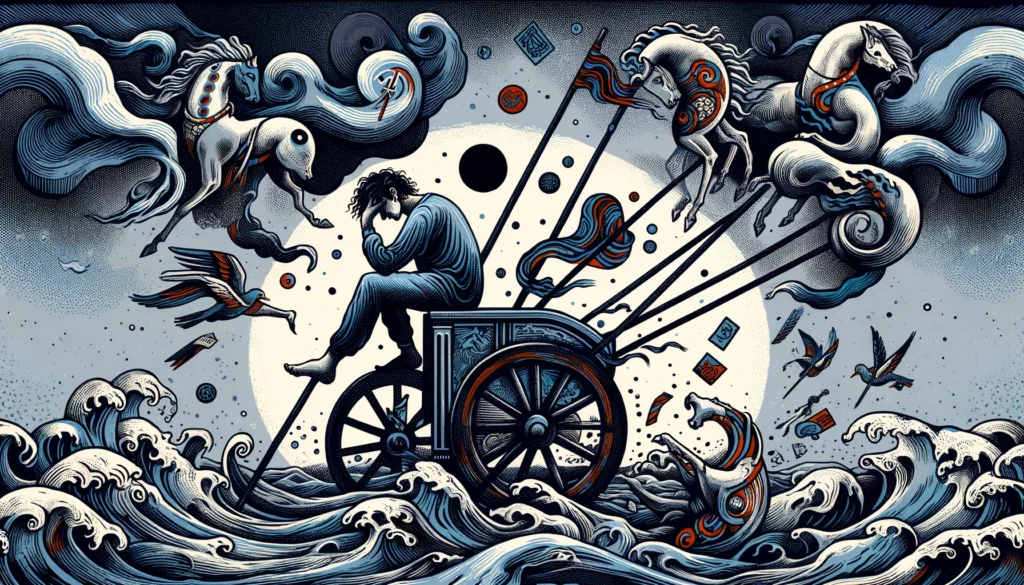
The Chariot is a powerful tarot card representing control, determination, and forward momentum. When reversed, its meaning shifts dramatically, often indicating a lack of direction, internal conflict, or obstacles in achieving goals. In tarot readings, the Reversed Chariot can signal that you’re feeling stuck, either due to external circumstances or internal doubts. It may also suggest that you’re struggling to reconcile opposing forces in your life, such as logic versus emotion or duty versus desire.
Symbolically, the Reversed Chariot can reflect a disconnect between your ambitions and your actions. For example, you might have a clear vision of what you want, but self-sabotage or fear prevents you from moving forward. Alternatively, it could point to a situation where you feel pulled in multiple directions, making it difficult to commit to a single path. In relationships, the Reversed Chariot might indicate a power struggle or a lack of alignment between partners.
Interpreting the Reversed Chariot also involves examining the surrounding cards in a tarot spread. If it appears alongside cards like the Eight of Cups or the Five of Pentacles, it could emphasize feelings of isolation or financial stress. Conversely, if it’s paired with the Three of Wands or the Ace of Swords, it might suggest that clarity is on the horizon once you address your internal conflicts.
Reverse Relationships in Practice: Real-Life Examples
Reverse relationships manifest in various forms, from romantic partnerships to professional collaborations. In a romantic context, consider a scenario where one partner traditionally takes on the role of the “caregiver” while the other is more independent. If the independent partner begins to take on caregiving responsibilities, the relationship dynamics shift, potentially leading to resentment or growth. The key to success in such cases lies in open communication and mutual respect for each other’s evolving roles.
In the workplace, reverse relationships can occur when a junior employee begins to mentor a senior colleague. This inversion of the usual hierarchy can lead to innovative problem-solving but may also create tension if the senior employee feels threatened. Companies that encourage such dynamics often foster a culture of learning and adaptability, where everyone benefits from shared knowledge.
Another example is in friendships, where one friend might typically be the “planner” while the other is more spontaneous. If the spontaneous friend starts taking the lead in organizing events, the friendship may become more balanced. However, if the planner friend resists this change, it could lead to friction. Reverse relationships thrive when both parties are willing to embrace flexibility and understand each other’s strengths.
How to Navigate the Reversed Chariot in Your Life
If the Reversed Chariot appears in a tarot reading, it’s a call to reassess your current path. Start by identifying the areas where you feel stuck or conflicted. Are there external factors holding you back, or is it your own mindset? Journaling or meditation can help clarify your thoughts and emotions. Additionally, consider seeking guidance from a mentor or therapist to gain an outside perspective.
Practical steps to overcome the challenges symbolized by the Reversed Chariot include setting small, achievable goals. Break down larger ambitions into manageable tasks to build momentum. It’s also helpful to address any self-doubt or fear that might be paralyzing you. Affirmations or visualization techniques can reinforce your confidence and remind you of your capabilities.
In relationships, the Reversed Chariot might indicate a need for compromise. If you and your partner are struggling with power imbalances, consider discussing your needs and expectations openly. Therapy or couples counseling can provide a safe space to explore these issues and find common ground. Remember, the goal isn’t to “win” the power struggle but to create a dynamic where both parties feel valued and heard.
Combining Reverse Relationships and the Reversed Chariot: A Holistic Approach
When reverse relationships and the Reversed Chariot intersect, the challenges can feel amplified. For example, if you’re in a relationship where power dynamics are shifting, and you’re also feeling directionless in your personal goals, it’s easy to feel overwhelmed. Addressing both issues simultaneously requires a holistic approach that balances emotional and practical needs.
Start by identifying the root causes of the power imbalance in your relationship. Is it due to external pressures, such as societal expectations, or internal factors, like unresolved insecurities? Once you pinpoint the source, you can work on strategies to restore balance, whether through communication, therapy, or setting boundaries. Simultaneously, use the Reversed Chariot as a guide to regain your sense of purpose. Ask yourself what steps you can take to move forward, even if they’re small.
It’s also important to practice self-compassion. Reverse relationships and the Reversed Chariot can both trigger feelings of inadequacy or frustration. Remind yourself that growth often involves discomfort, and setbacks are a natural part of the process. Surround yourself with supportive people who encourage your journey, whether they’re friends, family, or a professional community.
Conclusion
Reverse relationships and the Reversed Chariot tarot card offer profound insights into the complexities of human connections and personal growth. By understanding the psychological underpinnings of reverse relationships, you can navigate power dynamics with greater awareness and empathy. Meanwhile, interpreting the Reversed Chariot empowers you to address internal conflicts and reclaim your sense of direction. Together, these concepts provide a roadmap for transforming challenges into opportunities for growth.
Whether you’re exploring these ideas for personal development, relationship advice, or tarot interpretation, remember that progress is a journey. Embrace the discomfort of change, stay open to learning, and trust in your ability to adapt. With patience and self-reflection, you can turn reverse relationships and the Reversed Chariot into catalysts for a more balanced and fulfilling life.
FAQ
What are Reverse Relationships?
Reverse Relationships involve dynamics where traditional power structures are inverted, leading to new roles and influences between partners.
What does the Reversed Chariot Tarot Card signify?
The Reversed Chariot indicates a lack of direction, internal conflict, or obstacles in achieving goals.
Leave a Reply