Short Answer
Welcome to your playful yet profound journey into the world of Peace Tarot! In this guide, you’ll uncover the layers of the Peace card, often perceived as the most suspicious in the deck. You’ll learn how to interpret its symbolism, navigate its challenges, and even pose a lighthearted question to invite its wisdom into your life. Whether you’re a seasoned tarot reader or a curious beginner, this exploration will help you see the Peace card not as a threat, but as a guide through life’s complexities.
The Peace Tarot Card: A Deceptive Calm
The Peace card, often associated with the Major Arcana, is a master of disguise. At first glance, it radiates tranquility—soft colors, serene imagery, and a sense of harmony. But don’t be fooled by its gentle appearance! This card thrives on subtlety, masking deeper truths beneath its calm exterior. It’s the kind of card that whispers, “Everything is fine,” while secretly nudging you to question what lies beneath the surface.
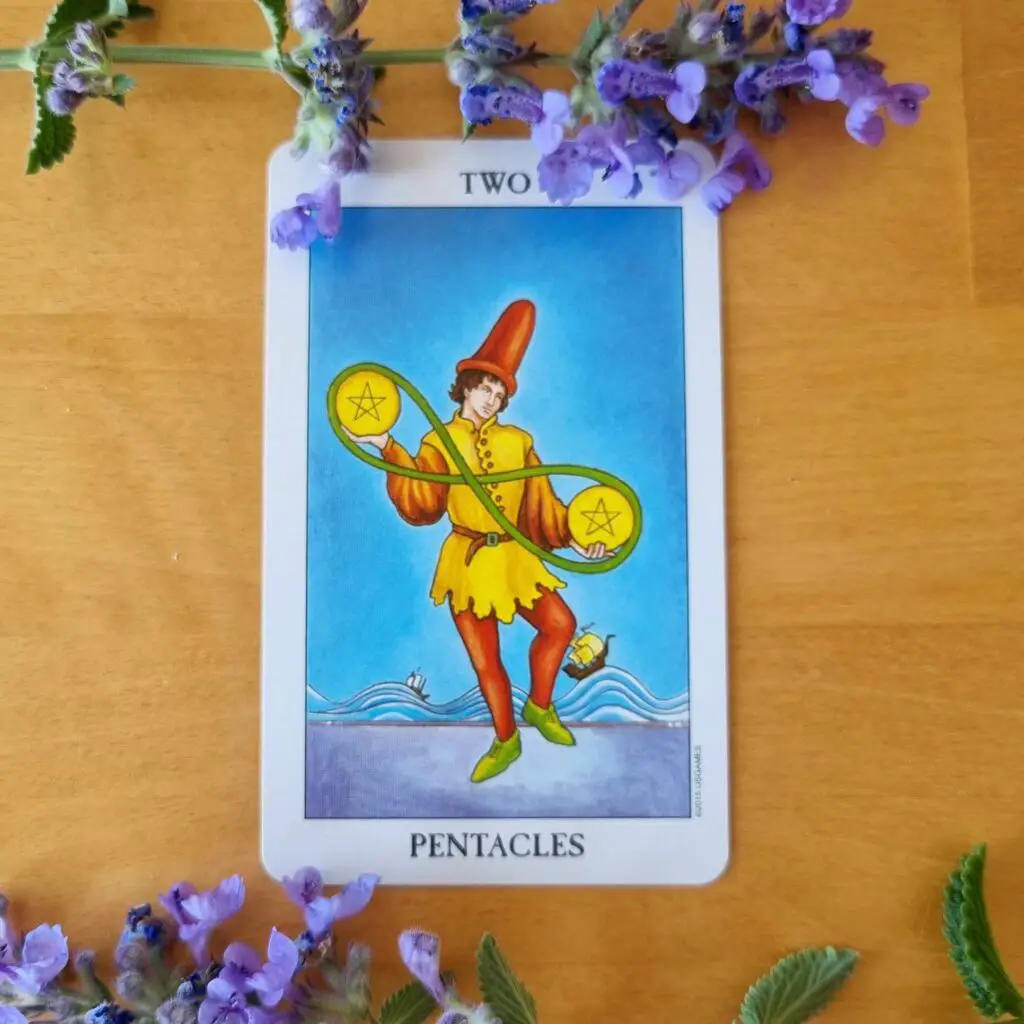
In many decks, the Peace card features a figure in a meditative pose, surrounded by symbols of balance like scales or doves. These elements suggest harmony, but they also hint at the tension that comes with maintaining peace. The card asks you to consider: Is this calm genuine, or is it a facade? Are you avoiding conflict at the cost of authenticity?

Peace in tarot isn’t about blind optimism; it’s about recognizing the delicate balance between acceptance and action. The card challenges you to ask whether your peace is built on solid ground or if it’s a temporary truce in an ongoing battle.
Posing the Playful Question: What’s Hiding Behind Your Peace?
To truly engage with the Peace card, try posing a lighthearted yet revealing question: “What am I pretending not to see?” This isn’t about dwelling on negativity but about acknowledging the shadows that lurk in even the brightest spaces. The Peace card loves to play hide-and-seek, so your question should invite it to reveal its secrets.
For example, if you’re facing a situation where you’ve been overly accommodating, the Peace card might be asking you to examine the resentment or unmet needs beneath your calm demeanor. It’s not about stirring up drama; it’s about ensuring your peace isn’t built on shaky foundations. The card encourages you to confront the unspoken, whether it’s in your relationships, career, or personal growth.
Try this exercise: Close your eyes and visualize a scenario where you’ve maintained peace at all costs. Now, ask yourself, “What would happen if I let go of this control?” The Peace card thrives on such introspection, turning your quiet moments into opportunities for growth.
The Challenge of the Peace Card: When Calm Becomes Complacency
The Peace card’s greatest trick is making you believe that stillness equals success. But what if your peace is actually complacency? The card doesn’t just celebrate harmony—it demands that you question whether that harmony is authentic or forced. It’s easy to confuse avoidance with peace, especially in a world that glorifies positivity and quick fixes.
Consider the Peace card as a mirror. If you pull it in a reading, it might be highlighting areas where you’re avoiding conflict, suppressing emotions, or settling for less than you deserve. For instance, staying in a job you hate “for the sake of peace” at home isn’t true peace—it’s a temporary bandage on a deeper issue. The card challenges you to differentiate between peace that heals and peace that stagnates.
Another layer of the challenge is the fear of disruption. The Peace card knows that rocking the boat can feel terrifying, but it also knows that real peace often requires courage. Ask yourself: Are you holding back your truth to keep the peace? If so, the card is urging you to find a way to express yourself without burning bridges.
The Peace card doesn’t want you to live in fear of conflict; it wants you to embrace the kind of peace that comes from integrity. That might mean setting boundaries, having difficult conversations, or even walking away from toxic situations. True peace isn’t the absence of challenges—it’s the ability to navigate them with grace and authenticity.
How to Work with the Peace Card in Readings
When the Peace card appears in a reading, it’s not just about taking a deep breath and hoping for the best. It’s an invitation to dig deeper. Here’s how to work with its energy:
- Reflect on your current state of peace: Are you genuinely content, or are you numbing yourself to avoid discomfort? Journal about the areas of your life where you feel at ease versus where you feel restless.
- Identify the source of tension: The Peace card often points to unresolved issues. Ask yourself what’s been simmering beneath the surface and why you’ve avoided addressing it.
- Experiment with small disruptions: If you’re stuck in a cycle of forced peace, try making one small change. Speak up in a low-stakes situation or set a boundary you’ve been avoiding. Notice how it feels.
- Seek balance, not perfection: The Peace card isn’t about eliminating all conflict; it’s about finding equilibrium. Sometimes, that means embracing the ebb and flow of life rather than forcing a constant state of calm.
Remember, the Peace card isn’t here to judge you for seeking harmony. It’s here to remind you that peace is a choice—a dynamic, evolving practice rather than a static state. When you pull this card, take it as a sign to pause, reflect, and realign with your truth.
Conclusion: Embracing the Peace Card’s Dual Nature
The Peace card is a paradox: a symbol of calm that thrives on tension, a guide that asks you to question your own serenity. It’s easy to dismiss it as a card of simple reassurance, but its true power lies in its ability to reveal the cracks in your facade. By engaging with its playful challenges and introspective questions, you transform it from a suspicious presence into a trusted ally.
So the next time the Peace card appears in your spread, don’t just smile and move on. Pause. Ask yourself what’s really going on beneath the surface. Are you at peace, or are you just pretending? The answer might surprise you—and that’s exactly what the Peace card wants.
Let this card be your reminder that real peace isn’t about avoiding storms; it’s about learning to dance in the rain.
FAQ
What does the Peace Tarot card represent?
It represents a deceptive calm that masks underlying tensions and challenges the seeker to distinguish between genuine peace and complacency.
How should I interpret the Peace card in a tarot reading?
Reflect on your current state of peace, identify unresolved issues, experiment with small disruptions, and seek balance rather than perfection.
Is the Peace card part of the Major or Minor Arcana?
The Peace card is associated with the Major Arcana, often symbolizing deep spiritual and personal growth themes.
What question can I ask when the Peace card appears?
A playful and revealing question is, ‘What am I pretending not to see?’ to uncover hidden truths beneath the calm.
Leave a Reply