Short Answer
Welcome to your in-depth guide on understanding tarot cards in reverse. Here, you’ll uncover the deeper meanings behind reversed tarot cards, often referred to as the “shadow side” of the deck. You’ll learn how these reversed cards promise a shift in perspective, challenge your assumptions, and pique your curiosity about the hidden layers of your life’s journey. By the end, you’ll gain clarity on how to interpret these cards in your readings and use their insights to navigate challenges with greater awareness.
What Are Reversed Tarot Cards?
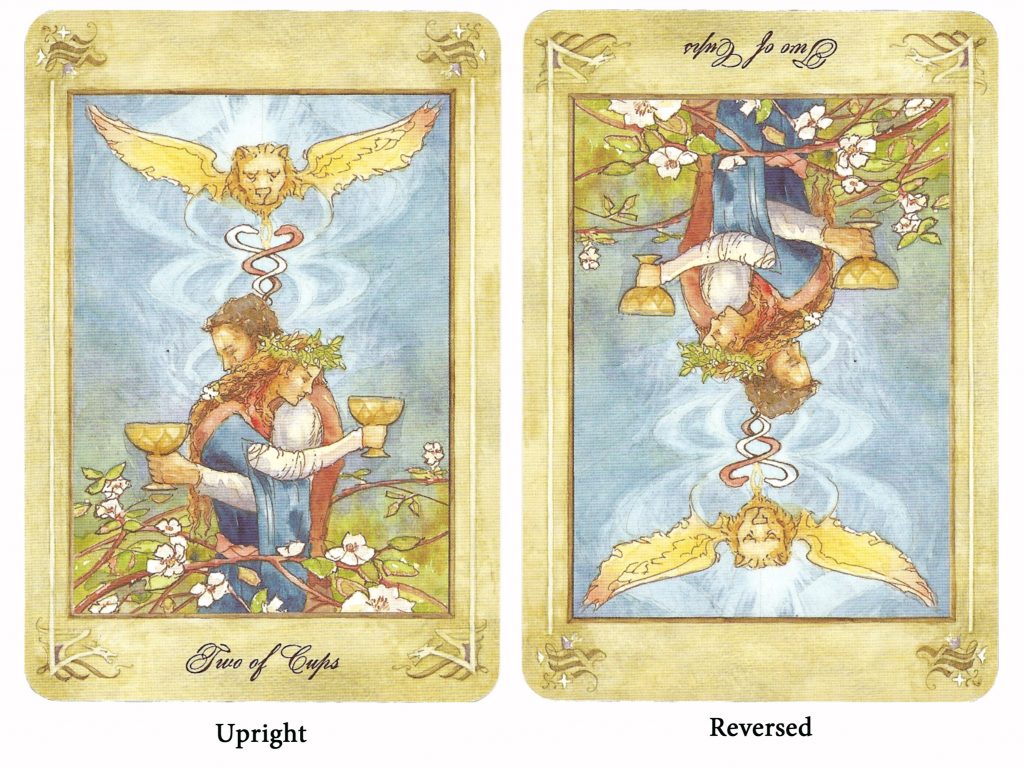
Reversed tarot cards appear when a card is drawn upside down during a reading. While upright cards represent straightforward energy, reversed cards introduce complexity, introspection, and often, a call to look beneath the surface. They don’t necessarily indicate negativity but instead suggest internal or external blockages, delays, or the need for a different approach. For example, the upright Three of Cups celebrates joy and community, while its reversed counterpart may hint at gossip, overindulgence, or a lack of genuine connection. Reversed cards act as mirrors, reflecting areas where growth is needed or where old patterns may be resurfacing.
The Role of Reversed Cards in Readings
Reversed tarot cards serve as powerful tools for self-reflection. They often highlight subconscious influences, unresolved emotions, or external factors that are not immediately visible. For instance, the reversed Chariot might suggest a lack of direction or inner conflict, urging you to realign your goals. These cards can also indicate that the energy of the upright card is being internalized rather than expressed outwardly. A reversed Sun card, for example, may point to temporary setbacks in confidence or creativity, signaling a need to nurture your inner light before shining brightly again.
It’s essential to approach reversed cards with an open mind. They don’t always signify failure or misfortune; instead, they can reveal untapped potential or hidden opportunities. For example, the reversed Tower might initially seem alarming, but it could be preparing you for a necessary breakdown to rebuild stronger foundations. By embracing the lessons of reversed cards, you transform perceived obstacles into stepping stones for personal evolution.
Common Misconceptions About Reversed Cards
One of the biggest myths about reversed tarot cards is that they always represent negative outcomes. This isn’t true. Reversed cards simply offer a different perspective—one that may be more nuanced or introspective. Another misconception is that reversed cards are less important than upright ones. In reality, they often carry equal weight, if not more, because they delve into the unseen aspects of a situation. For example, the reversed Lovers card might not indicate a failed relationship but could suggest a need to prioritize self-love or make a difficult choice that aligns with your values.
Some readers avoid using reversed cards altogether, fearing they complicate the reading. However, omitting them can lead to oversimplified interpretations. Reversed cards add depth, revealing the complexities of life that upright cards alone might miss. They encourage you to ask deeper questions, such as, “What am I not seeing?” or “Where am I holding back?” By dispelling these misconceptions, you can fully harness the power of reversed tarot cards in your readings.
How to Interpret Reversed Tarot Cards Effectively
Interpreting reversed tarot cards requires a blend of intuition and traditional meanings. Start by examining the card’s imagery. Does it show a figure looking away, a broken object, or a shadowy figure? These details often hint at the card’s reversed message. For example, the reversed Emperor might depict a ruler without a throne, symbolizing a lack of structure or authority in your life. Next, consider the card’s traditional upright meaning and how its opposite energy might manifest. The upright Justice card represents fairness, while its reversed form could indicate bias, unfairness, or a need to re-examine a situation from a different angle.
Context is crucial. A reversed card’s meaning can shift depending on its position in a spread or the surrounding cards. For instance, a reversed Seven of Pentacles in a career spread might suggest impatience or unfulfilled expectations, while in a love spread, it could point to a relationship that feels stagnant. Journaling your interpretations can help you track patterns and deepen your understanding over time. Don’t hesitate to pull a clarifying card if a reversed card feels particularly ambiguous—sometimes, the universe provides additional guidance.
Reversed Cards as Catalysts for Personal Growth
Reversed tarot cards often act as wake-up calls, pushing you to confront aspects of yourself or your life that you’ve ignored. The reversed Hermit, for example, might indicate isolation or avoidance of self-reflection, while the reversed Strength card could reveal inner turmoil or a struggle to tame your emotions. These cards don’t exist to discourage you but to highlight areas where you can grow. By acknowledging their messages, you take the first step toward healing and transformation.
Reversed cards can also reveal hidden talents or untapped potential. The reversed Page of Wands might suggest a lack of inspiration, but it could also be a sign to reignite your passions or explore new creative outlets. Similarly, the reversed Ace of Cups might point to emotional blockages, but it can also indicate a need to release old wounds to make space for new joy. Embracing the lessons of reversed cards empowers you to turn challenges into opportunities for self-discovery and resilience.

Practical Tips for Working with Reversed Tarot Cards
To make the most of reversed tarot cards, approach them with curiosity rather than fear. Start by familiarizing yourself with the reversed meanings of each card in the deck. Create a cheat sheet or flashcards to reinforce your memory. When drawing reversed cards, ask yourself: “What is this card trying to tell me that I haven’t acknowledged?” or “How can I use this insight to improve my situation?”
Another helpful tip is to combine reversed cards with upright ones in a single reading. For example, pulling the upright Temperance followed by the reversed Five of Cups might suggest that while you’re seeking balance, you’re still dwelling on past losses. This juxtaposition can provide a more holistic view of your circumstances. Additionally, trust your intuition—if a reversed card resonates with you on a personal level, honor that connection, even if it deviates from traditional interpretations.
Conclusion
Reversed tarot cards are not omens of doom but invitations to explore the deeper layers of your life. They promise a shift in perspective, urging you to question, reflect, and grow. By embracing their messages, you unlock hidden truths, confront unresolved issues, and pave the way for personal transformation. Whether you’re a seasoned reader or a curious beginner, reversed cards offer a rich tapestry of insights waiting to be uncovered. The next time you encounter a reversed card in a reading, remember: it’s not just a card facing the wrong way—it’s a guide pointing you toward wisdom you may have overlooked.
FAQ
What does a reversed tarot card mean?
A reversed tarot card typically indicates introspection, delays, internal blockages, or a different perspective on the card’s upright meaning rather than just negative outcomes.
Are reversed tarot cards always bad?
No, reversed cards are not always negative. They often reveal hidden opportunities, subconscious influences, or areas for personal growth.
Should I use reversed cards in my tarot readings?
Using reversed cards adds depth and complexity to readings by highlighting unseen aspects, but some readers choose to omit them for simplicity.
How can I interpret reversed tarot cards more effectively?
Combine intuition with traditional meanings, consider card imagery, context in the spread, and use clarifying cards when needed.
Can reversed tarot cards help with personal growth?
Yes, reversed cards act as wake-up calls that encourage self-reflection, healing, and transformation by revealing hidden challenges and potentials.
Leave a Reply