Short Answer
In this guide, you’ll explore the enigmatic and often misunderstood figure of the Sacrifice Goddess in tarot. You’ll learn about her symbolic significance, the deeper reasons behind her fascination, and how she reflects themes of loss, transformation, and rebirth. Whether you’re a seasoned tarot reader or new to the cards, this exploration will help you understand the power of sacrifice in spiritual and personal growth.
The Sacrifice Goddess: A Symbol of Transformation
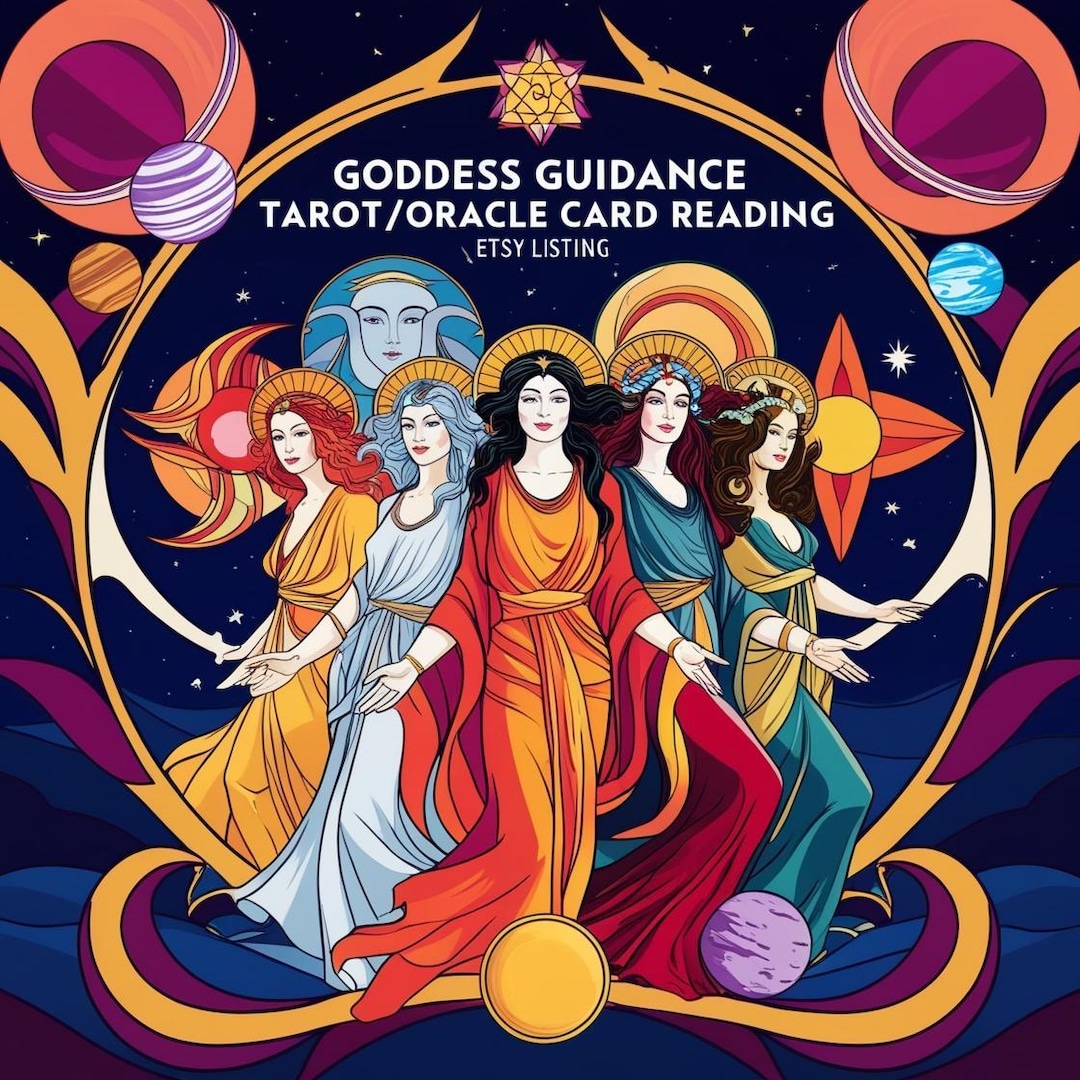
The Sacrifice Goddess in tarot represents a profound archetype where surrender and loss lead to renewal. Unlike traditional depictions of goddesses associated with abundance or protection, this figure embodies the necessity of giving up something valuable—whether it’s a belief, a relationship, or a part of oneself—to achieve greater wisdom or spiritual evolution. She is often linked to the High Priestess, the Moon, or the Hanged Man, cards that also deal with hidden truths and the unknown.
Her presence in a reading may signal a time of personal reckoning. The Sacrifice Goddess does not demand suffering for its own sake but instead asks for the release of what no longer serves your highest good. This act of letting go is not passive; it is a deliberate choice to trust the process of transformation, even when the outcome is uncertain.

Why the Sacrifice Goddess Fascinates Us: The Allure of Surrender
There is a deep, almost magnetic fascination with the Sacrifice Goddess because she taps into universal human experiences—loss, heartbreak, and the struggle for meaning. Unlike figures who promise victory or protection, she offers no easy answers. Instead, she invites us to confront the raw, unfiltered aspects of existence: the pain of letting go and the uncertainty of what comes next.
This fascination also stems from the paradox she embodies. Sacrifice is often seen as a negative experience, yet it is also a gateway to growth. The Sacrifice Goddess reminds us that what feels like an ending can be the beginning of something far more profound. Her allure lies in her ability to mirror our own struggles, making her a relatable and compelling figure in tarot readings.
Moreover, her imagery—often dark, mysterious, and cloaked in symbolism—resonates with those who feel drawn to the esoteric or the shadow self. She represents the parts of life that are not celebrated in mainstream narratives but are essential to the human experience: grief, sacrifice, and the quiet courage it takes to move forward.
Key Aspects of the Sacrifice Goddess in Tarot
To fully grasp the Sacrifice Goddess, it’s important to examine the key aspects she embodies in tarot. These elements appear across different cards and traditions, each contributing to her complex symbolism.
1. The Illusion of Loss
One of the most striking aspects of the Sacrifice Goddess is her ability to reframe loss as an illusion. While it may feel like you are giving up something irreplaceable, her presence suggests that what you release is merely a form of energy that will return to you in a new, often more powerful way. This idea is reflected in cards like the Hanged Man, where surrender leads to a higher perspective, or the Tower, where destruction paves the way for renewal.
2. The Power of Surrender
Surrender is not weakness; it is a strategic act of trust. The Sacrifice Goddess teaches that true strength lies in the ability to let go of control and allow life to unfold naturally. This power is evident in the High Priestess, who sits between the pillars of light and dark, symbolizing the balance between knowledge and mystery. By surrendering to the unknown, you open yourself to deeper insights and spiritual growth.
3. The Cycle of Death and Rebirth
The Sacrifice Goddess is intrinsically tied to the cycle of death and rebirth, a theme that appears in many spiritual traditions. In tarot, this cycle is represented by the Death card, which is not about literal death but about transformation. The Sacrifice Goddess embodies this cycle, showing that what feels like an ending is merely a transition to a new phase of life. Her imagery often includes symbols of decay and renewal, such as withering flowers or rising suns, to emphasize this eternal process.
Common Misconceptions About the Sacrifice Goddess
Despite her significance, the Sacrifice Goddess is often misunderstood. One common misconception is that she represents blind obedience or unnecessary suffering. In reality, her message is far more nuanced. She does not ask for sacrifice in the sense of self-flagellation or martyrdom but rather for the conscious release of what no longer aligns with your soul’s path.
Another misconception is that her presence in a reading is always negative. While she may indicate a period of hardship, her role is ultimately one of guidance. She points to the necessity of sacrifice as a means to achieve clarity, wisdom, or spiritual advancement. Her energy is not punitive but transformative, urging you to see the bigger picture beyond immediate pain.
How to Work with the Sacrifice Goddess in Your Practice
If the Sacrifice Goddess resonates with you, there are several ways to incorporate her energy into your spiritual practice. Whether through meditation, journaling, or tarot readings, engaging with her archetype can provide profound insights and healing.
1. Meditation and Visualization
Begin by creating a sacred space for meditation. Visualize the Sacrifice Goddess standing before you, holding a chalice or a key. Ask her to reveal what you need to release and what you stand to gain from this sacrifice. Allow her imagery to guide you through a journey of transformation, trusting that the process will lead to growth.
2. Tarot Readings and Journaling
Pull a single card or a spread focused on sacrifice and transformation. Reflect on how the imagery and symbolism of the Sacrifice Goddess apply to your current situation. Journal about what you are being asked to let go of and how this release might serve your higher self. Over time, you may notice patterns or recurring themes that offer deeper clarity.
3. Rituals of Release
Create a small ritual to symbolize your sacrifice. This could involve writing down what you are releasing on a piece of paper and burning it, or burying an object that represents the past. Pair this ritual with an affirmation or prayer to the Sacrifice Goddess, asking for her guidance as you navigate this transition.
Conclusion
The Sacrifice Goddess is a powerful and often misunderstood figure in tarot, but her message is one of hope and transformation. She reminds us that what feels like a loss is often the first step toward something greater. By embracing her energy, we learn to trust the process of surrender and the inevitability of rebirth. Whether you encounter her in a reading or through personal reflection, her presence is a call to release what no longer serves you and step into a new phase of growth. In the end, the Sacrifice Goddess is not a figure to fear but a guide to be honored—a testament to the resilience of the human spirit and the eternal cycle of death and renewal.
FAQ
What does the Sacrifice Goddess represent in tarot?
The Sacrifice Goddess symbolizes transformation through surrender and loss, urging individuals to release what no longer serves them.
How can I work with the Sacrifice Goddess in my tarot practice?
Engage with her energy through meditation, journaling, and rituals of release to gain insights and healing.
Leave a Reply