Short Answer
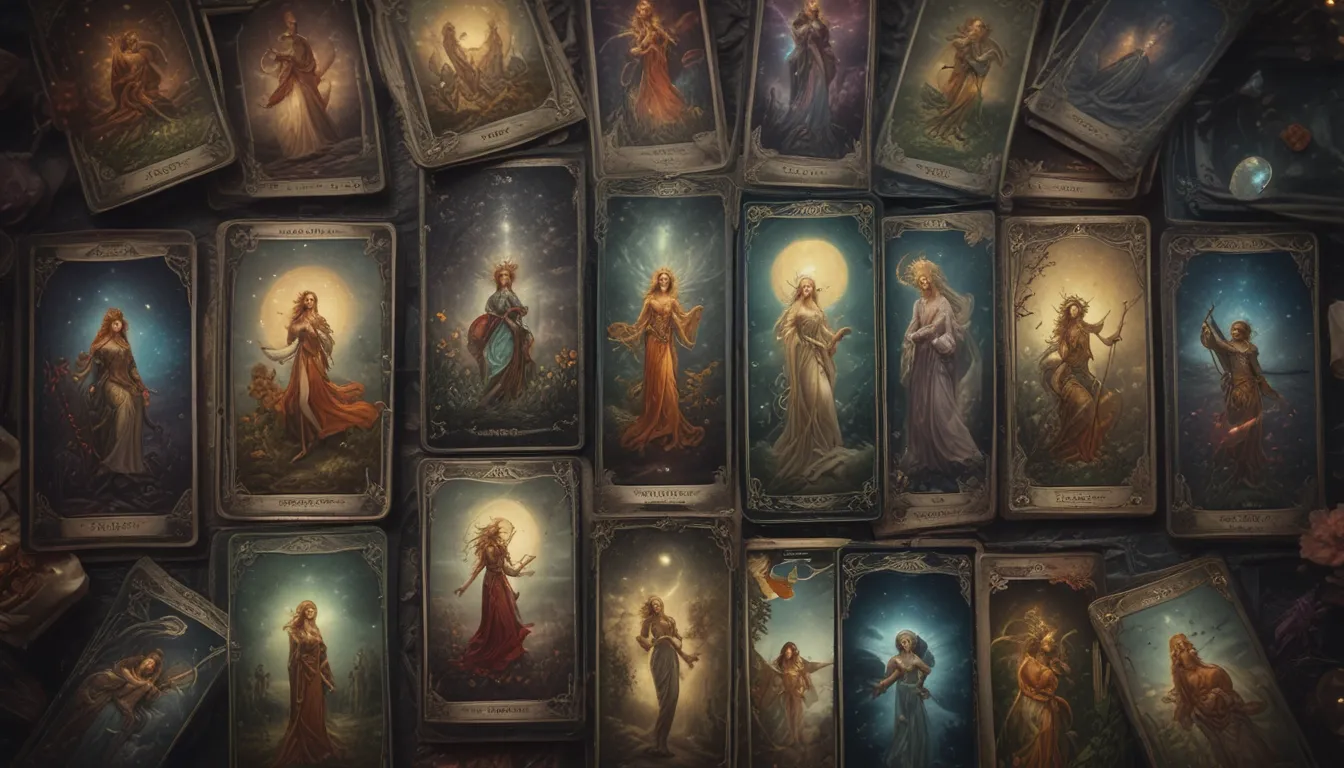
Have you ever woken up from a dream where tarot cards appeared vividly, leaving you wondering what they could mean? Dreams featuring tarot cards are more than just random images—they often carry deep symbolic messages from your subconscious. In this guide, you’ll explore the significance of seeing tarot cards in dreams, their possible interpretations, and how they might reflect your waking life. Whether you’re a tarot enthusiast or simply curious about dream symbolism, this article will help you decode the hidden meanings behind these mystical visions.
Why Do Tarot Cards Appear in Dreams?
Tarot cards in dreams often symbolize your inner thoughts, unresolved emotions, or guidance your subconscious is trying to communicate. Since tarot is deeply tied to intuition and symbolism, dreaming of these cards suggests your mind is processing complex ideas or seeking clarity. The appearance of tarot cards may indicate a need for introspection, decision-making, or even a warning about a situation in your life.
For example, if you dream of drawing the Death card, it rarely signifies literal death. Instead, it may represent transformation, endings, or a significant change in your life. Similarly, seeing the Lovers card could reflect a choice you’re facing or a desire for deeper connections. The key is to consider the emotions and context of the dream rather than relying solely on traditional tarot meanings.
Common Tarot Cards in Dreams and Their Possible Meanings
While every dream is unique, certain tarot cards frequently appear and carry recurring themes. Below are some of the most common cards and their potential interpretations:
The Fool
The Fool often represents new beginnings, spontaneity, or a leap of faith. If this card appears in your dream, it may signal that you’re about to embark on a new journey or need to trust your instincts more. Pay attention to the emotions you felt in the dream—were you excited or anxious? This can provide clues about your readiness for change.
The Tower
Dreaming of The Tower can be unsettling, as it often symbolizes sudden upheaval, revelation, or a breakdown of old structures. This card may appear when you’re experiencing a major life disruption or when your subconscious is urging you to confront an uncomfortable truth. The dream could be preparing you for a necessary transformation, even if it feels chaotic at first.
The High Priestess
The High Priestess embodies intuition, mystery, and hidden knowledge. If she appears in your dream, it may suggest that you need to trust your inner wisdom or pay attention to a situation that isn’t immediately obvious. This card can also indicate a need for solitude or reflection to uncover deeper truths about yourself or a relationship.
The Three of Swords
This card is often associated with heartache, betrayal, or emotional pain. Seeing it in a dream might reflect unresolved feelings of sadness, loss, or disappointment. Alternatively, it could be a sign to release past hurts and move forward. Consider what’s causing you distress in waking life and whether this dream is prompting you to address it.
How to Interpret Your Tarot Dream Accurately
Interpreting tarot dreams requires a blend of intuition and analysis. Start by recalling the emotions, colors, and actions in the dream. Ask yourself:
- What tarot cards appeared, and how did they make me feel?
- Was I interacting with the cards, or were they just present?
- Do any of these cards relate to my current life situations?
Keeping a dream journal can help track recurring symbols and patterns. Over time, you’ll notice connections between your dreams and waking life, making it easier to decipher their messages. If a particular card or theme keeps appearing, it’s worth exploring its traditional meanings while also considering your personal associations with it.
Tarot Dreams vs. Waking Life Tarot Readings
While tarot readings in waking life are often guided by a specific question or intention, dreams are more fluid and symbolic. A dream tarot spread might not provide a clear answer but instead offers a broader perspective on your subconscious state. For example, if you dream of pulling multiple Major Arcana cards, it could indicate a major life theme or spiritual lesson you’re currently navigating.
Unlike a structured tarot reading, dream interpretations are highly personal. A card that feels positive in a reading might evoke fear in a dream, and vice versa. Trust your gut feeling about what resonates most with your current experiences.
What to Do After a Tarot Dream
After experiencing a tarot dream, take a moment to reflect on its potential messages. Here are some steps to deepen your understanding:
- Journal Your Dream: Write down every detail you remember, including colors, emotions, and interactions with the cards.
- Meditate on the Cards: Spend a few minutes focusing on the cards that appeared. What thoughts or memories do they evoke?
- Seek Patterns: Look for connections between your dream and recent events in your life. Are there any parallels?
- Take Inspired Action: If the dream feels like guidance, consider how you might apply its message to your waking life. For example, if you dreamed of the Chariot, it might be time to take control of a situation that requires determination.
Conclusion
Dreams featuring tarot cards are powerful messages from your subconscious, offering insights into your emotions, challenges, and potential paths forward. Whether you see the Magician as a sign of resourcefulness or the Hermit as a call for solitude, these symbols are tools for self-discovery. By paying attention to the details and trusting your intuition, you can unlock the deeper meanings behind your tarot dreams and use them as a guide in your waking life.
Next time a tarot card appears in your dream, don’t dismiss it as mere fantasy—your subconscious might be trying to tell you something important. Embrace the mystery, reflect on the symbols, and let the wisdom of the cards illuminate your inner world.
FAQ
What does it mean to see tarot cards in a dream?
Seeing tarot cards in a dream often represents messages from your subconscious, indicating inner thoughts, emotions, or guidance related to your waking life.
Are tarot dreams different from tarot readings?
Yes, tarot dreams are more symbolic and fluid, reflecting your subconscious state, while tarot readings provide structured guidance based on specific questions or intentions.
How can I interpret the emotions in my tarot dream?
Pay attention to how you felt during the dream and the context of the cards, as emotions can provide important clues to the dream's message and relevance to your life.
What should I do after having a tarot card dream?
You should journal your dream details, meditate on the cards, look for patterns relating to your life, and consider taking inspired action based on the insights gained.
Leave a Reply