Short Answer
Welcome to your playful journey into the mystical world of tarot! Whether you’re a curious beginner or a seasoned enthusiast, this guide will unravel the secrets behind tarot symbols and their hidden meanings. You’ll discover how these ancient cards can offer insights, challenge your perceptions, and even pose playful questions to guide your path. By the end, you’ll see tarot not just as a tool for divination, but as a mirror reflecting the complexities of life itself.
The Basics of Tarot: What Are These Mystical Cards?
Tarot cards are a deck of 78 illustrated cards, each brimming with symbolism and archetypal imagery. Traditionally divided into two main groups—the Major Arcana (22 cards) and the Minor Arcana (56 cards)—these cards serve as a visual language to explore life’s journey. The Major Arcana represents significant life events or spiritual lessons, while the Minor Arcana mirrors everyday experiences through four suits: Cups, Pentacles, Swords, and Wands. Each suit carries its own themes—emotions, finances, intellect, and creativity—offering a nuanced lens to examine your life.
But here’s a playful twist: what if tarot cards aren’t just about predicting the future? What if they’re about asking the right questions? Imagine drawing a card and instead of seeking a definitive answer, you challenge yourself to interpret its message in the context of your day. For example, pulling the Three of Swords might not foretell heartbreak but could invite you to reflect on emotional resilience. Tarot becomes a conversation starter with your subconscious, blending intuition with curiosity.
Decoding the Major Arcana: The Fool’s Journey
The Major Arcana is the heart of the tarot deck, telling the story of The Fool—a character embarking on a transformative adventure. Each card represents a stage in this journey, from innocence (The Fool) to enlightenment (The World). For instance, The Magician symbolizes manifestation and resourcefulness, while The High Priestess embodies intuition and hidden knowledge. These cards often appear when you’re at a crossroads, urging you to trust your instincts or embrace change.
Here’s a challenge: try drawing one Major Arcana card daily and journal about how its themes resonate with your current life. Does The Tower (sudden upheaval) mirror a recent disruption, or does The Star (hope) reflect your aspirations? The beauty of tarot lies in its ability to mirror your inner world, making abstract concepts tangible.
Navigating the Minor Arcana: Everyday Magic in Four Suits
The Minor Arcana brings tarot into the realm of daily life, with each suit offering a unique perspective. Cups dive into emotions and relationships, Pentacles ground you in finances and stability, Swords cut through mental challenges, and Wands ignite passion and ambition. For example, the Ten of Pentacles might signal family legacy or financial security, while the Page of Wands could herald a burst of creative energy.
Try this experiment: shuffle your deck and pull a Minor Arcana card. Ask yourself, “Where in my life do I need to focus on [suit’s theme]?” If you draw the Five of Cups, it’s not just about loss—it’s an invitation to acknowledge grief before moving forward. The Minor Arcana teaches that even the mundane holds magic when viewed through the right lens.

Tarot Symbols: The Secret Language of the Cards
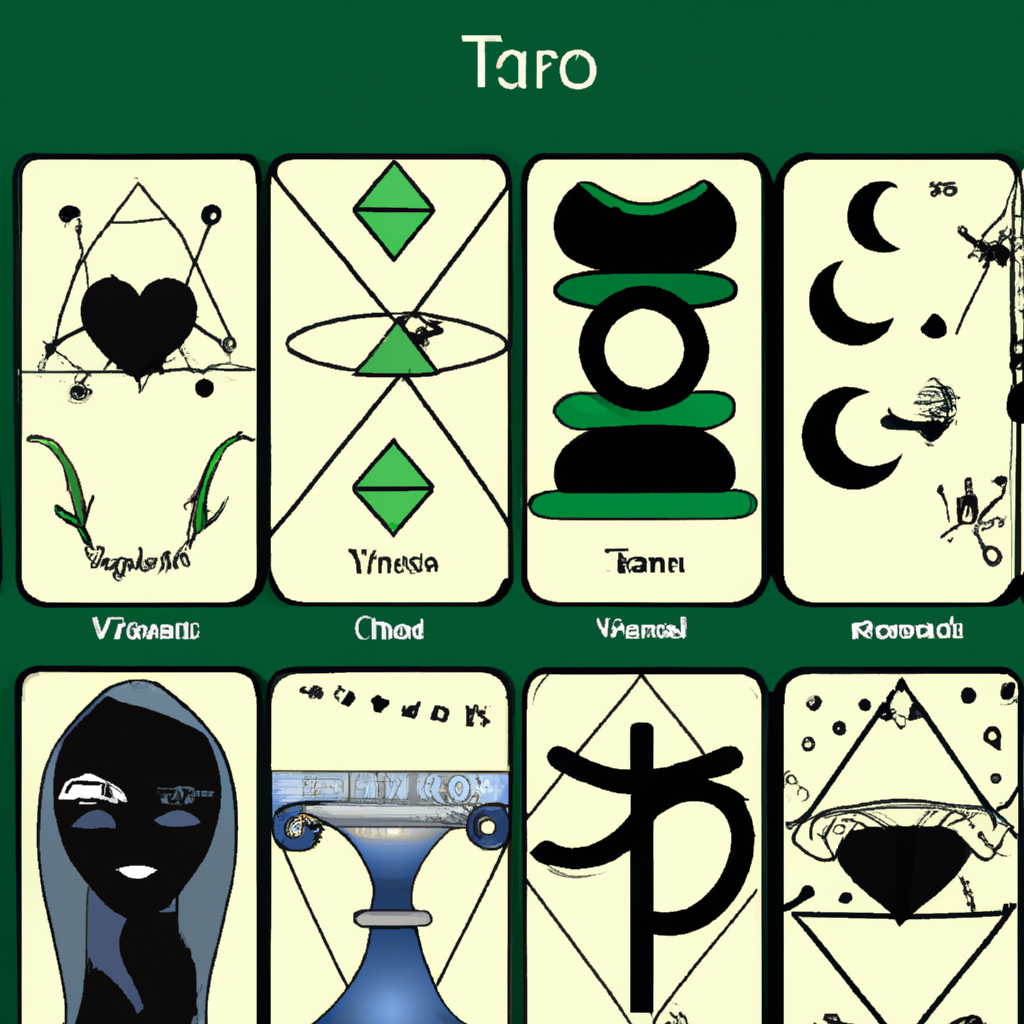
Every tarot card is a visual symphony of symbols—colors, animals, objects, and gestures—each carrying layered meanings. For instance, the Hermit’s lantern symbolizes inner wisdom, while the Chariot’s sphinxes represent opposing forces in balance. Even the color red in the Three of Cups might hint at celebration or emotional intensity.
Here’s a playful challenge: pick a card and dissect its symbols. What does the lion in Strength represent? Why does the Death card show a rising sun? Symbols are the tarot’s secret code, and decoding them sharpens your intuitive muscles. Keep a symbol journal to track recurring motifs in your readings.
Common Misconceptions: Tarot Isn’t About Fate
One of the biggest myths about tarot is that it predicts a fixed future. In reality, tarot is a tool for self-reflection and empowerment. It doesn’t dictate your destiny but highlights potential paths and hidden influences. For example, pulling the Ten of Swords might feel ominous, but it often signals the end of a difficult cycle—paving the way for renewal.
Try reframing tarot as a “what if” game. Instead of asking, “Will I get the job?” ask, “What energies should I cultivate to attract this opportunity?” This shift transforms tarot from a fortune-telling device into a catalyst for proactive thinking.
How to Use Tarot for Daily Insights
Tarot isn’t just for deep, introspective sessions—it can be a daily companion. Start with a single-card pull each morning to set an intention. For example, the Ace of Wands might encourage you to embrace a new project, while the Eight of Pentacles reminds you to focus on skill-building. Keep your readings lighthearted at first; the goal is to build a relationship with the cards, not overwhelm yourself with complexity.
Pro tip: Use a tarot app or a physical deck you love. The tactile experience of shuffling cards or tapping an app can make your practice feel more intentional. And remember, there’s no “wrong” way to interpret a card—your intuition is the ultimate guide.
Conclusion: Your Tarot Adventure Awaits
Tarot is more than a deck of cards; it’s a playful, profound dialogue with the universe. Whether you’re drawn to the Major Arcana’s epic journey or the Minor Arcana’s everyday wisdom, these symbols offer a gateway to self-discovery. Challenge yourself to see tarot as a conversation, not a prediction. Let the cards ask you questions as much as you ask them. And most importantly, have fun with it—because the real magic of tarot lies in the journey, not the destination.
FAQ
What is tarot?
Tarot is a deck of 78 illustrated cards used for divination, self-reflection, and gaining insights into personal situations.
What are the Major Arcana cards?
The Major Arcana consists of 22 cards that represent significant life events or spiritual lessons.
How can tarot be used in daily life?
Tarot can be used daily by pulling a single card to set intentions or reflect on personal themes.
Leave a Reply