Short Answer
In this comprehensive guide, you’ll explore the deeper meanings behind the Tarot Cards in The Quarry, Supermassive Games’ interactive horror experience. These Fate Cards serve as more than just collectibles—they offer narrative insights, foreshadow events, and even influence the game’s multiple endings. Whether you’re a first-time player seeking to understand the symbolism or a returning player looking to uncover hidden layers, this guide breaks down each Tarot Card’s significance, their thematic connections, and how they shape your experience. You’ll learn about the Major Arcana’s role in the story, the Minor Arcana’s impact on character fates, and practical tips for interpreting their messages. By the end, you’ll see how these cards are woven into the game’s fabric, making every playthrough a unique journey through fate and choice.
The Role of Tarot Cards in The Quarry
The Tarot Cards in The Quarry are not merely decorative elements; they are narrative tools that deepen the game’s themes of destiny, free will, and consequence. Each card corresponds to a character or event, often revealing hidden truths or foreshadowing pivotal moments. The Major Arcana, with its 22 cards, mirrors the game’s structure, representing key chapters or turning points in the story. Meanwhile, the Minor Arcana—comprising four suits (Cups, Swords, Wands, and Pentacles)—reflects the emotional, mental, intellectual, and material aspects of the characters’ lives. Together, they create a web of meaning that players can unravel as they progress. Understanding these cards enhances immersion, as their appearances often coincide with critical decisions or revelations, making them essential to the game’s storytelling.
Major Arcana: The Game’s Fateful Journey
The Major Arcana cards in The Quarry act as milestones, guiding players through the story’s emotional and thematic arcs. Each card is tied to a specific chapter or character, offering clues about their fate. For example, The Fool often appears at the game’s beginning, symbolizing new beginnings and innocence, while Death may foreshadow irreversible changes or endings. The Lovers card frequently highlights relationships and choices, emphasizing the game’s focus on interpersonal dynamics. By paying attention to these cards, players can anticipate major plot twists or character developments. Some cards, like The Tower, may indicate sudden upheavals, while The Star could suggest hope or guidance in dark moments. These cards are not just collectibles; they are the game’s way of communicating its deeper narrative layers.

The Fool card in the prologue sets the tone for the game’s themes of adventure and uncertainty.
Minor Arcana: Character-Specific Meanings
The Minor Arcana cards in The Quarry are deeply personal, often tied to individual characters and their struggles. Each suit represents a different facet of their lives: Cups relate to emotions and relationships, Swords to conflict and intellect, Wands to passion and creativity, and Pentacles to material concerns and stability. For instance, a Three of Cups might appear when a character experiences joy or camaraderie, while a Ace of Swords could signal a moment of clarity or confrontation. These cards provide insight into a character’s internal state, offering players a glimpse into their motivations and fears. Some cards may even hint at specific events, such as a Ten of Pentacles foreshadowing a family reunion or a Five of Wands indicating a clash between characters. Understanding these nuances allows players to make more informed decisions, as the cards often reflect the consequences of their choices.
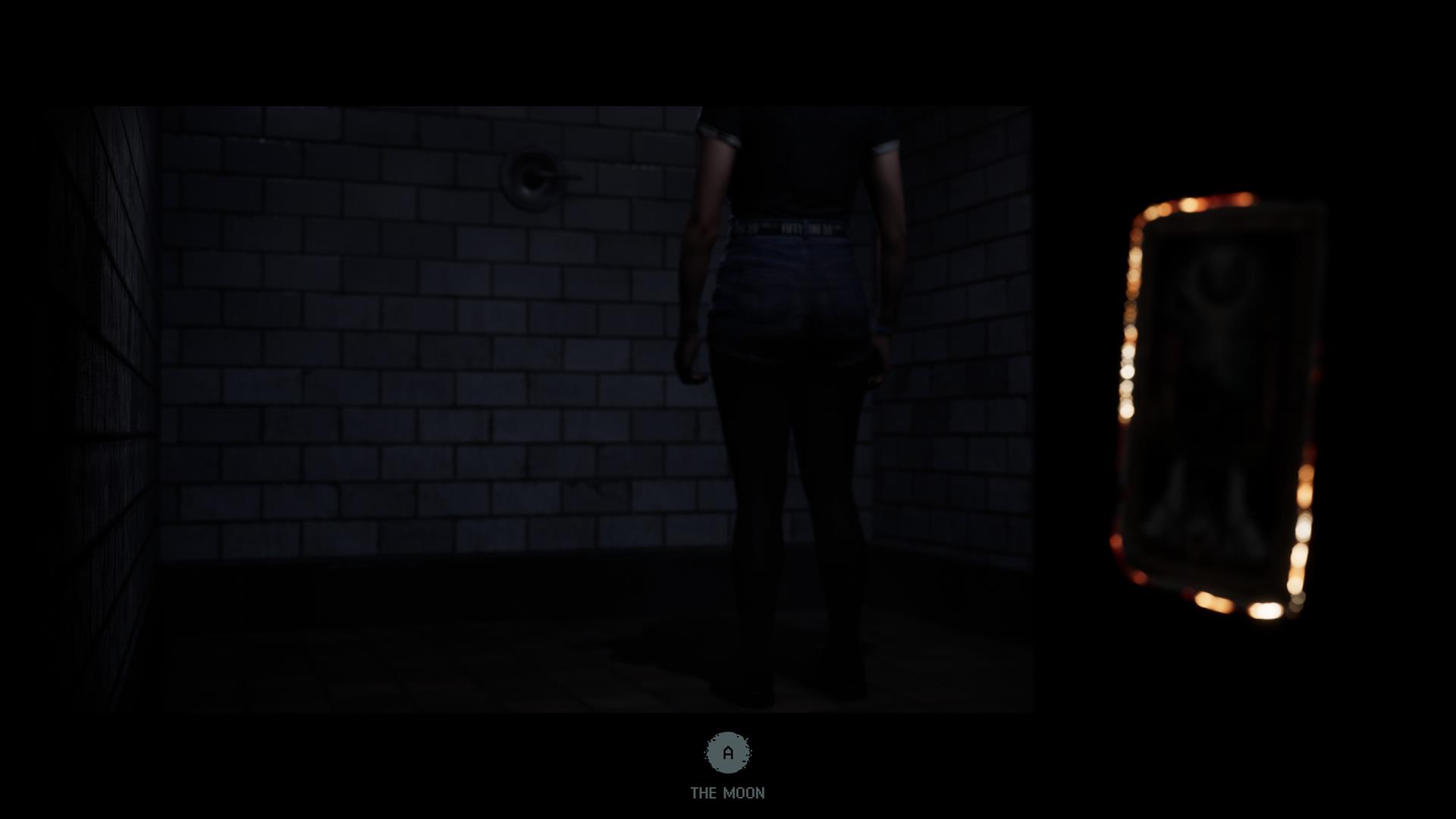
The Minor Arcana cards reveal the emotional and psychological journeys of the game’s characters, adding depth to their stories.
How Tarot Cards Influence Endings
One of the most intriguing aspects of The Quarry’s Tarot Cards is their influence on the game’s multiple endings. Certain cards act as prerequisites for specific outcomes, meaning players must collect or interpret them correctly to unlock alternate endings. For example, a card like The Moon might be tied to a supernatural or ambiguous ending, while Judgement could lead to a resolution involving redemption or sacrifice. The game’s designers use these cards to create a branching narrative where player choices and card interpretations intertwine. Some endings require players to collect a majority of Major Arcana cards, while others hinge on the presence or absence of specific Minor Arcana cards. This system rewards players who pay close attention to the cards’ appearances and meanings, making the Tarot Cards a crucial element in shaping the game’s conclusion.
Practical Tips for Collecting and Interpreting Cards
To fully appreciate the Tarot Cards in The Quarry, players should adopt a methodical approach to collecting and interpreting them. First, prioritize revisiting areas where cards have already been found, as some may reappear in different contexts or with new meanings. Keep a journal or notes to track which cards you’ve collected and where they appeared, as this can help identify patterns or recurring themes. Pay attention to the game’s dialogue and environmental storytelling, as these often provide context for the cards’ appearances. For example, a card found near a character’s personal item may hint at their inner struggles. Additionally, experiment with different interpretations of the cards’ meanings—some may seem contradictory at first, but their true significance often unfolds over time. Lastly, don’t rush; the game rewards patience, and some cards are hidden in subtle or easily overlooked locations.
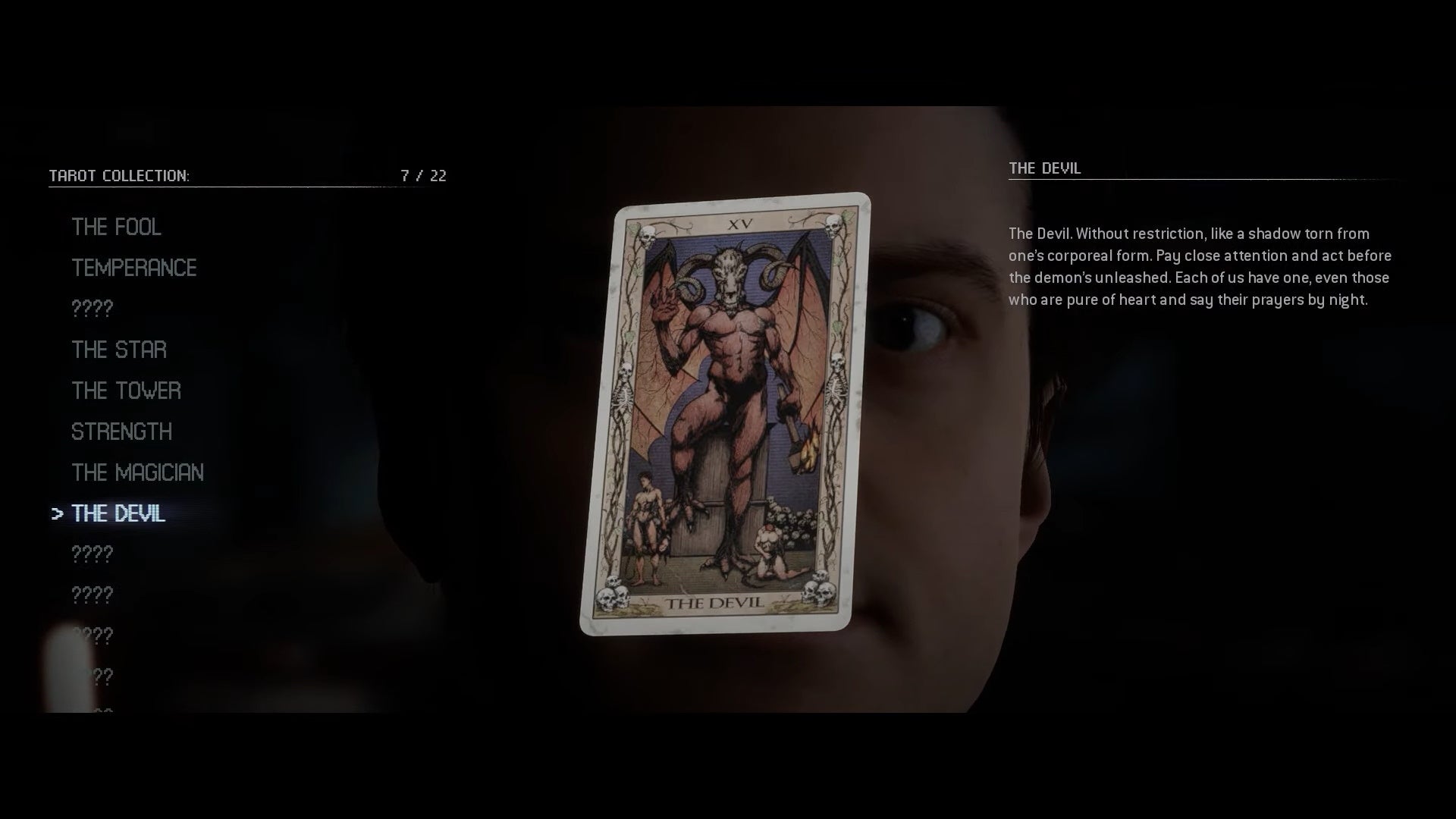
The Devil card in Chapter 5 underscores themes of temptation and moral dilemma, a recurring motif in the game.
Common Misconceptions About The Quarry’s Tarot Cards
Many players initially view the Tarot Cards in The Quarry as simple collectibles with no deeper purpose. However, this misconception overlooks their narrative and thematic significance. Another common mistake is assuming that all cards are equally important; in reality, some cards are far more impactful than others, particularly those tied to major plot points or endings. Players may also overlook the Minor Arcana’s role, focusing solely on the Major Arcana for its dramatic symbolism. Additionally, some players misinterpret the cards’ meanings, leading to confusion about their relevance. For example, a card like Strength might be seen as purely about physical power, when in fact it often symbolizes inner resilience or compassion. Understanding these nuances is key to unlocking the full potential of the Tarot Cards in the game.
Conclusion
The Tarot Cards in The Quarry are far more than decorative collectibles—they are the game’s way of weaving fate, choice, and consequence into its narrative. By understanding the Major Arcana’s role as story milestones and the Minor Arcana’s personal connections to characters, players can gain deeper insights into the game’s themes and endings. Whether you’re deciphering the symbolism behind The Tower or tracking the emotional journey of a character through the Cups suit, these cards enrich every playthrough. They challenge players to think critically about their decisions and the stories unfolding around them. As you progress through The Quarry, let the Tarot Cards guide you—not just as items to collect, but as keys to unlocking the game’s hidden layers. Embrace their mystery, and you’ll find that the true magic of The Quarry lies in its ability to make you question what fate truly means.
Leave a Reply