Short Answer
Dive into the mystical world of Tarot as we unravel the secrets of the Arcana—where ancient symbols whisper wisdom and every card tells a story. Whether you’re a seasoned reader or a curious beginner, understanding the distinction between the Major and Minor Arcana is your key to unlocking deeper insights. This guide will illuminate the unique roles each set plays in a Tarot deck, their symbolic language, and how they weave together to create a tapestry of meaning. By the end, you’ll see the Tarot not just as a tool for divination, but as a mirror reflecting the human experience in all its complexity.
The Tarot Arcana: A Journey Through Symbolism
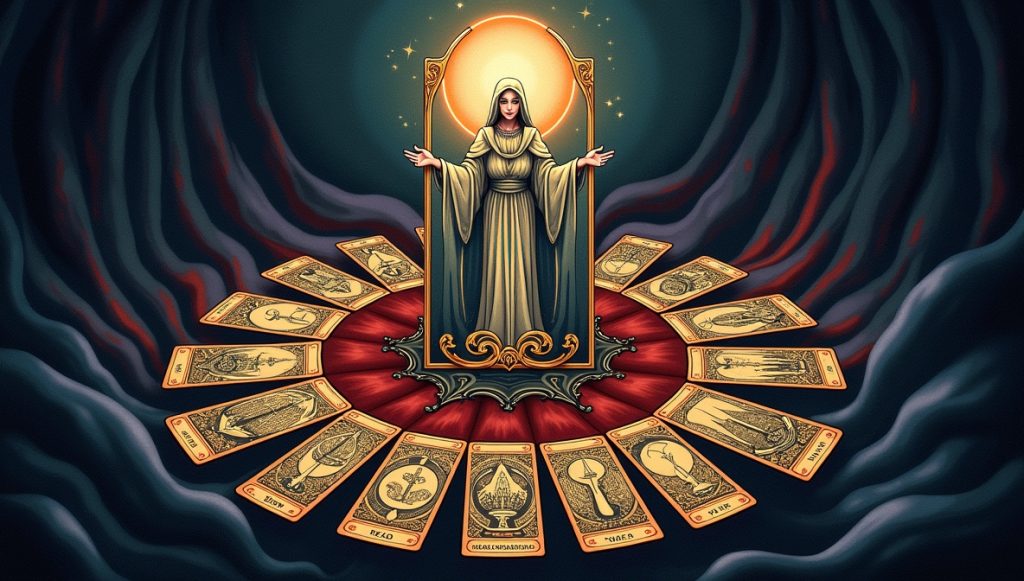
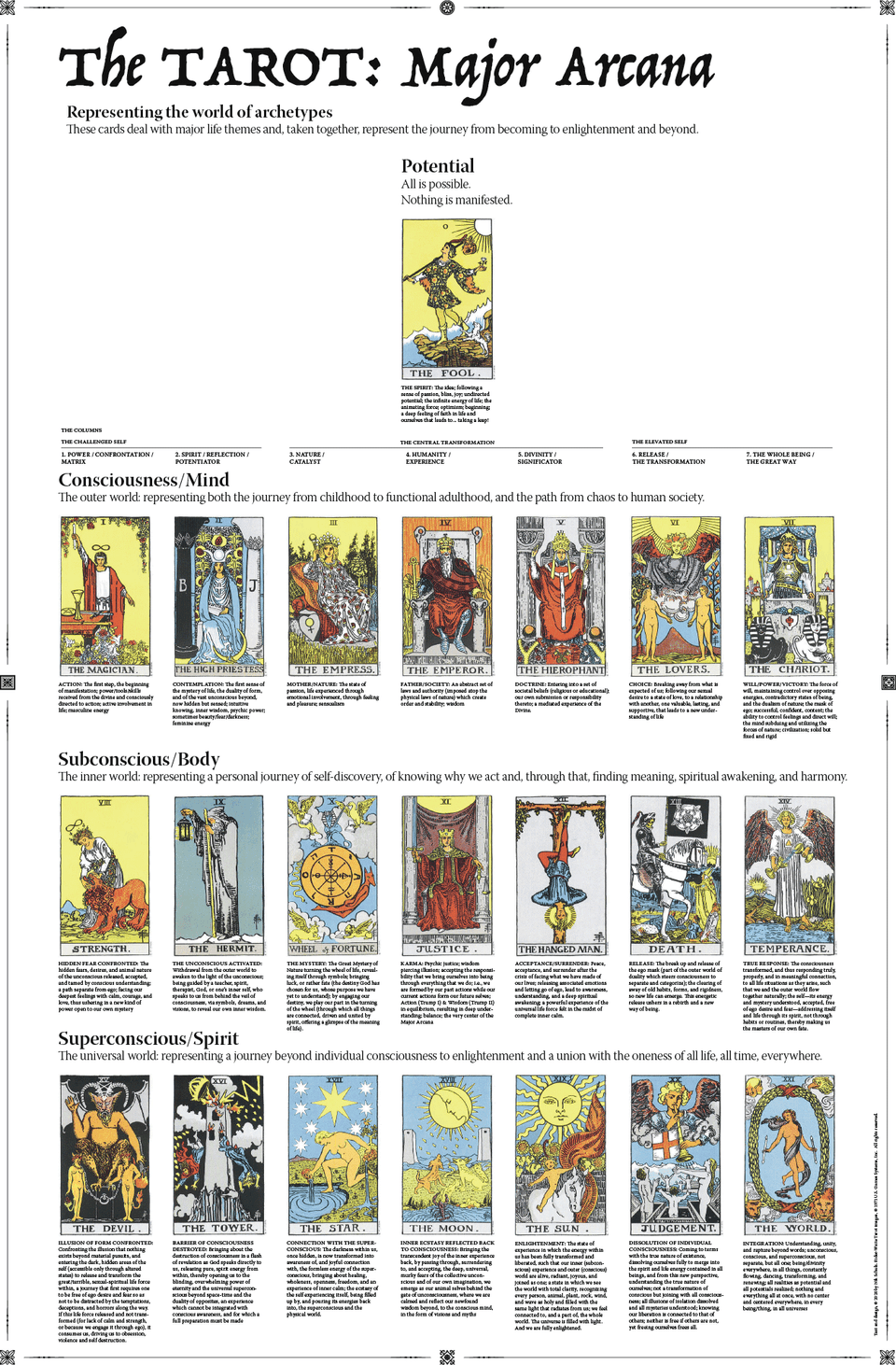
The Tarot deck is divided into two primary sections: the Major Arcana and the Minor Arcana. Together, they form a complete narrative, much like the chapters of a book. The Major Arcana consists of 22 cards, each representing a significant life event, spiritual lesson, or archetypal energy. These cards—such as The Fool, The Lovers, and Death—are often seen as the “big picture” of a reading, highlighting major themes, karmic influences, or transformative moments. In contrast, the Minor Arcana comprises 56 cards divided into four suits (Cups, Pentacles, Swords, and Wands), each dealing with the everyday aspects of life—emotions, finances, challenges, and creativity. Together, they create a dynamic interplay between destiny and free will, fate and choice.
Major Arcana: The Hero’s Journey Unfolded
The Major Arcana cards are the heart of the Tarot, embodying universal human experiences and spiritual evolution. Each card follows a narrative arc, often likened to Joseph Campbell’s “Hero’s Journey,” where the protagonist (you) faces trials, gains wisdom, and ultimately transforms. For example, The Magician represents manifestation and resourcefulness, while The High Priestess symbolizes intuition and hidden knowledge. These cards don’t just predict the future; they guide you through it, offering profound metaphors for life’s pivotal moments. When a Major Arcana card appears in a spread, it signals a significant turning point, urging you to pay attention to the bigger picture.
Minor Arcana: The Tapestry of Everyday Life
While the Major Arcana maps out the grand themes of existence, the Minor Arcana delves into the intricacies of daily life. Divided into four suits—Cups (emotions), Pentacles (material world), Swords (intellect), and Wands (passion)—these cards reflect the ebb and flow of ordinary experiences. For instance, the Three of Cups celebrates joy and friendship, while the Five of Pentacles highlights financial struggle. Unlike the Major Arcana, the Minor Arcana cards often speak to immediate situations, offering practical advice and nuanced insights. They remind us that even the smallest moments carry meaning, and that growth often happens in the details.
Symbolism and Interpretation: Decoding the Language of Cards
The Tarot speaks in symbols, and mastering its language requires an understanding of both universal and personal associations. For example, the number 13 in the Major Arcana is Death—a card of transformation, not literal demise. Similarly, the Knight of Swords embodies impulsive action, while the Queen of Cups represents emotional depth and compassion. To interpret the cards, consider their traditional meanings, but also trust your intuition. The imagery on each card—whether it’s the golden sun of The Sun or the stormy skies of The Tower—serves as a visual anchor, helping you connect with the card’s energy. Over time, you’ll develop a personal lexicon of symbols that resonate uniquely with you.
The Dance Between Fate and Free Will
One of the most fascinating aspects of the Tarot is how it balances destiny and choice. The Major Arcana often highlights karmic patterns or unavoidable lessons, while the Minor Arcana reflects the choices you make within those circumstances. For instance, if The Chariot (a Major Arcana card) appears, it may indicate a need for determination and willpower to overcome obstacles. However, the surrounding Minor Arcana cards—like the Ace of Wands or the Seven of Cups—could reveal whether you’re channeling your energy wisely or getting lost in indecision. This interplay reminds us that while we can’t control every outcome, we always have the power to shape our responses.
Practical Tips for Reading the Arcana Together
When interpreting a Tarot spread, start by identifying any Major Arcana cards present. Their presence often signals a significant theme or lesson. Then, examine the Minor Arcana cards to see how they contextualize the situation. For example, if The Hanged Man (Major Arcana) appears alongside the Ten of Pentacles (Minor Arcana), it might suggest a need to pause and reflect before making a major financial decision. Pay attention to the suits as well—Cups and Swords often relate to emotional and mental states, while Pentacles and Wands ground the reading in practicality and passion. Over time, you’ll develop a rhythm for blending these two layers of meaning.

Conclusion: The Tarot as a Living Mirror
The Tarot Arcana are more than just cards—they are a living, breathing reflection of the human experience. The Major Arcana guides you through the grand themes of life, while the Minor Arcana fills in the details of your daily journey. Together, they create a dynamic dialogue between the extraordinary and the ordinary, the spiritual and the mundane. Whether you use the Tarot for divination, self-reflection, or creative inspiration, remember that its true power lies in its ability to help you see yourself more clearly. As you explore the Arcana, let the symbols speak to you, and trust that the wisdom you seek is already within the deck—waiting to be uncovered.
FAQ
What is the difference between Major and Minor Arcana?
The Major Arcana consists of 22 cards that represent significant life events and spiritual lessons, while the Minor Arcana includes 56 cards divided into four suits, reflecting everyday experiences.
How do I interpret Major Arcana cards?
Major Arcana cards indicate significant themes or lessons in a reading, often guiding the reader through pivotal moments in life.
What role do Minor Arcana cards play in tarot readings?
Minor Arcana cards provide context to the reading, addressing immediate situations and everyday aspects of life.
Leave a Reply