Short Answer
Embark on a journey through the rich tapestry of the Visconti-Sforza Tarot, one of the most captivating and historically significant decks in the world of tarot. This guide will explore the origins, artistic brilliance, symbolic depth, and enduring legacy of this Italian Renaissance masterpiece. Whether you’re a tarot enthusiast, a history lover, or an art connoisseur, you’ll discover why the Visconti-Sforza Tarot continues to enchant and intrigue centuries after its creation.
The Origins and Historical Significance of the Visconti-Sforza Tarot
The Visconti-Sforza Tarot is not just a deck of cards; it is a window into the Italian Renaissance, a period of unparalleled cultural and artistic flourishing. Created in the mid-15th century, likely between 1440 and 1450, this tarot deck is one of the oldest surviving examples of its kind. It was commissioned by the powerful Visconti and Sforza families, who ruled over the Duchy of Milan during the Renaissance. These families were not only political leaders but also patrons of the arts, and the tarot deck reflects their refined tastes and intellectual pursuits.
The deck was originally hand-painted on parchment, a testament to the craftsmanship of the era. It consists of 78 cards, including the Major Arcana and Minor Arcana, much like modern tarot decks. However, the Visconti-Sforza Tarot is unique in its iconography and symbolism, which draw heavily from medieval and Renaissance art, mythology, and heraldry. The deck’s historical significance lies in its role as a bridge between the medieval world and the Renaissance, blending esoteric traditions with the emerging humanist spirit of the time.
Artistic Brilliance: The Visual Language of the Deck
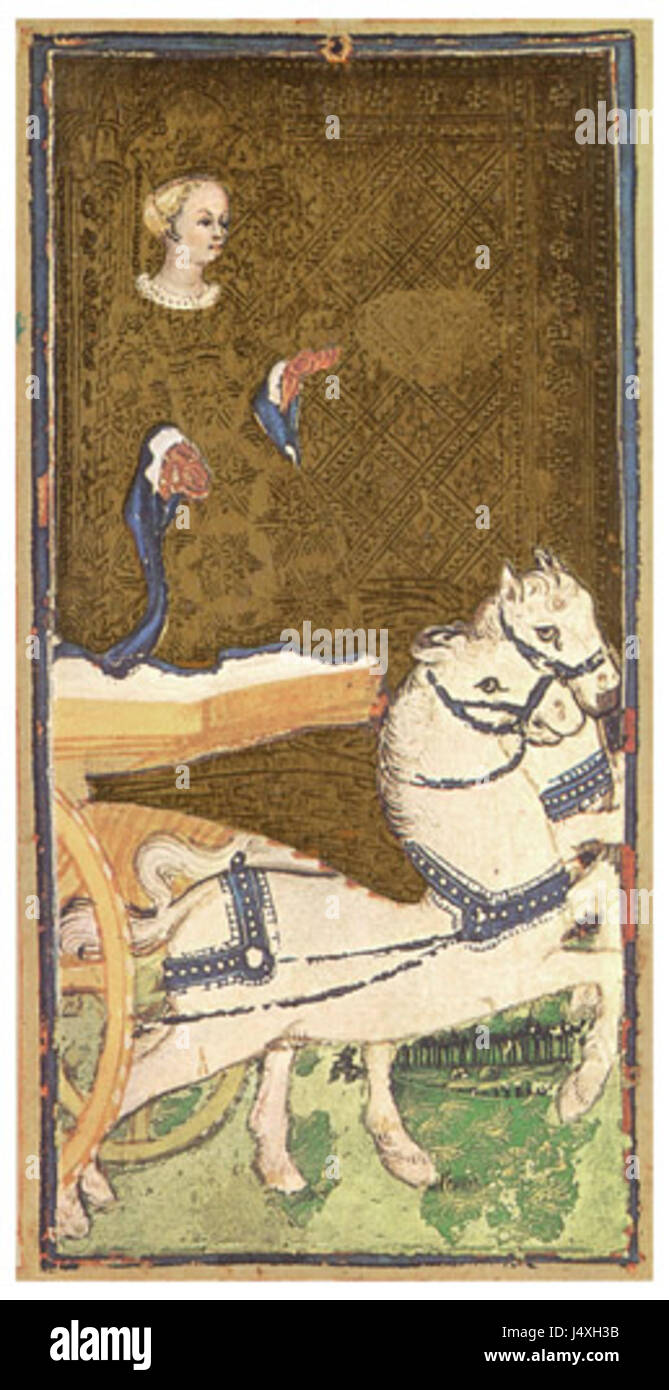
The Visconti-Sforza Tarot is celebrated for its exquisite artwork, which showcases the finest techniques of Renaissance painting. Each card is a miniature masterpiece, adorned with intricate details, vibrant colors, and symbolic imagery. The artists behind the deck were likely influenced by the works of prominent Renaissance painters such as Michelangelo and Leonardo da Vinci, though their identities remain unknown. The use of gold leaf, delicate brushstrokes, and elaborate costumes reflects the opulence of the Visconti and Sforza courts.
One of the most striking features of the deck is its use of allegory and metaphor. The Major Arcana cards, in particular, are rich with symbolic meaning. For example, the Fool card depicts a young man standing at the edge of a cliff, symbolizing the beginning of a journey or the pursuit of the unknown. The Lovers card, featuring a man and woman flanked by an angel, represents not only romantic love but also the union of opposing forces or the choice between virtue and vice. These visual metaphors invite viewers to delve deeper into the deck’s philosophical and spiritual dimensions.
Symbolism and Esoteric Depth: Decoding the Deck
The Visconti-Sforza Tarot is more than just a historical artifact; it is a repository of esoteric wisdom and symbolic language. The deck’s imagery is steeped in medieval and Renaissance symbolism, drawing from sources such as alchemy, astrology, and Christian mysticism. For instance, the Wheel of Fortune card features a crowned figure atop a spinning wheel, symbolizing the cyclical nature of life and the unpredictable turns of fate. The Hermit card, depicted as an old man holding a lantern, represents introspection, wisdom, and the search for inner truth.
The Minor Arcana cards also carry deep symbolic meaning. The suits of cups, swords, coins, and batons (or wands) are not merely decorative elements but reflect the societal and cultural values of the time. Cups often symbolize emotions and relationships, swords represent intellect and conflict, coins denote material wealth and prosperity, and batons signify creativity and action. These suits are further enriched by the court cards—Page, Knight, Queen, and King—each embodying specific personality traits and archetypes that resonate with the human experience.
The deck’s esoteric appeal is further enhanced by its connection to early tarot practices. While the Visconti-Sforza Tarot was likely used for games rather than divination, its symbolic richness laid the groundwork for later tarot traditions, including the Rider-Waite-Smith deck. Scholars and mystics have long debated the deck’s hidden meanings, with some interpreting it as a visual representation of the human soul’s journey or a map of the cosmos. This layer of complexity adds to the deck’s allure, making it a subject of fascination for both artists and spiritual seekers.
The Unique Appeal: Why the Visconti-Sforza Tarot Endures
The Visconti-Sforza Tarot’s enduring appeal lies in its ability to transcend time and culture. Its historical significance, artistic brilliance, and symbolic depth make it a treasure trove for anyone interested in Renaissance art, tarot, or the intersection of spirituality and creativity. Unlike modern tarot decks, which often prioritize accessibility and simplicity, the Visconti-Sforza Tarot invites viewers to engage in a more contemplative and interpretive experience. Its ambiguity and richness allow for endless exploration, making it a living document of human thought and imagination.
Moreover, the deck’s connection to the Visconti and Sforza families adds a layer of intrigue. These families were not only rulers but also patrons of the arts, and their influence is palpable in the deck’s opulent design. The tarot, therefore, serves as a testament to their power and cultural legacy, offering a glimpse into the world of Renaissance Italy. For collectors and enthusiasts, owning a reproduction or original fragment of the Visconti-Sforza Tarot is like holding a piece of history in their hands—a tangible link to the past that continues to inspire and mystify.

Exploring the Deck Today: Modern Interpretations and Reproductions
While the original Visconti-Sforza Tarot is housed in museums and private collections, its legacy lives on through modern reproductions and adaptations. Today, enthusiasts can purchase high-quality reproductions of the deck, allowing them to experience its beauty and symbolism firsthand. These reproductions often include detailed commentary and historical context, making them invaluable resources for both beginners and seasoned tarot readers. Additionally, artists and designers continue to draw inspiration from the Visconti-Sforza Tarot, creating contemporary decks that pay homage to its iconic imagery while infusing it with new meaning.
The deck’s influence extends beyond tarot, permeating popular culture, literature, and even fashion. Its themes of destiny, choice, and transformation resonate with universal human experiences, making it a timeless source of inspiration. Whether used for divination, meditation, or artistic study, the Visconti-Sforza Tarot remains a powerful tool for self-discovery and creative expression. Its ability to adapt and evolve while retaining its core essence is a testament to its enduring magic.
Conclusion
The Visconti-Sforza Tarot is a masterpiece of Renaissance art and a cornerstone of tarot history. Its intricate artwork, rich symbolism, and historical significance make it a captivating subject for study and reflection. From its origins in the courts of Milan to its modern-day interpretations, the deck continues to enchant and inspire, bridging the gap between the past and the present. Whether you are drawn to its aesthetic beauty, its esoteric wisdom, or its cultural legacy, the Visconti-Sforza Tarot offers a journey into the heart of the Italian Renaissance—a journey that is as thought-provoking as it is visually stunning. As you explore its cards, you’ll find that the Visconti-Sforza Tarot is not just a relic of history; it is a living, breathing testament to the power of art and symbolism to transcend time.
Leave a Reply