Short Answer
The Seven of Swords in tarot often arrives like a mischievous trickster, whispering half-truths and urging you to weigh your options carefully. This card doesn’t just reveal a situation—it invites you to question the motives behind it. In this guide, you’ll explore the deeper layers of the Seven of Swords, uncovering its playful deception, the challenges it presents, and how to navigate its tricky energy with wisdom and discernment.
The Seven of Swords: A Card of Cunning and Strategy
The Seven of Swords is part of the Minor Arcana and belongs to the suit of Swords, which governs intellect, communication, and conflict. Unlike the upright Seven of Swords, which may suggest cleverness or strategic thinking, the card’s shadow side often involves deception, avoidance, or cutting corners. It’s the tarot’s way of saying, “Think before you act,” especially when faced with a situation that feels too good to be true.
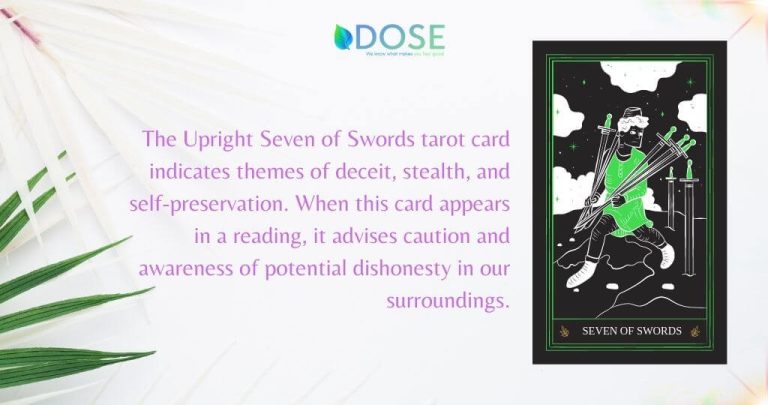
Visually, the card typically depicts a figure sneaking away with five swords while leaving two behind. This imagery speaks to the idea of taking what isn’t yours—or at least what isn’t freely given. The figure’s furtive posture hints at guilt, secrecy, or a lack of transparency. In readings, this card can signal a time when someone (including yourself) might be hiding the full truth or acting out of self-interest.
Posing a Playful Question: What’s Really Going On Here?
The Seven of Swords thrives on curiosity and invites you to ask pointed questions. Instead of accepting things at face value, this card nudges you to dig deeper. For example:
- “Why does this opportunity feel too easy?” – The card may be warning you about a situation that promises quick gains but lacks integrity.
- “Who stands to benefit the most from this arrangement?” – It’s a reminder to consider the motives of others involved.
- “Am I being completely honest with myself about my intentions?” – The card often reflects internal conflicts where you might be justifying less-than-honorable actions.
By framing your inquiry this way, you transform the Seven of Swords from a vague omen into a tool for clarity. It’s not about assuming the worst but about recognizing when something—or someone—isn’t playing with a full deck.

Introducing the Challenge: Trust vs. Deception
The core challenge of the Seven of Swords revolves around trust—both in others and in yourself. When this card appears, it’s often highlighting a scenario where trust has been broken or where you’re tempted to bend the rules. The challenge isn’t just about catching deception; it’s about deciding how to respond. Do you confront the issue head-on, or do you play along to avoid conflict?
In relationships, the Seven of Swords might indicate secret-keeping or passive-aggressive behavior. In career matters, it could suggest office politics or unethical shortcuts. The card doesn’t just flag the problem—it asks you to choose your role in it. Will you be the one sneaking away with the swords, or will you stand firm in your integrity?
Another layer of the challenge is self-deception. The Seven of Swords can appear when you’re convincing yourself that a “little white lie” is harmless, or that bending the rules won’t have consequences. The card serves as a mirror, reflecting back the times you’ve prioritized convenience over honesty.
Navigating the Seven of Swords: Practical Steps
So, how do you handle the trickster energy of this card? Here are actionable steps to turn its challenges into growth opportunities:
- Pause and Reflect: Before making a decision, ask yourself if you’re acting out of fear, greed, or genuine strategy. The Seven of Swords often highlights impulsive choices made in haste.
- Seek Clarity: If the card appears in a reading about a person or situation, gather more information. Look for inconsistencies or red flags that might reveal the full picture.
- Own Your Actions: If you’ve been less than transparent, acknowledge it. The card rewards honesty, even when it’s uncomfortable.
- Set Boundaries: In cases where others are being deceptive, protect your energy. The Seven of Swords isn’t a call to confront aggressively, but to establish healthy limits.
- Learn from the Lesson: This card often appears when you’re repeating patterns of avoidance or manipulation. Use it as a wake-up call to align your actions with your values.
Reversed Seven of Swords: When the Truth Comes Out
When the Seven of Swords appears reversed, its energy shifts. Secrets are exposed, lies unravel, and what was hidden comes to light. This can feel like a relief or a crisis, depending on the context. The reversed card suggests that the deception wasn’t sustainable, and now you’re forced to deal with the aftermath.
In this position, the card encourages accountability. If you’ve been dishonest, it’s time to make amends. If someone else has been misleading you, the reversed Seven of Swords signals that their true colors are showing. It’s a reminder that while deception might work temporarily, the truth has a way of surfacing—often when you least expect it.
Conclusion: Embracing the Lesson of the Seven of Swords
The Seven of Swords is a card that doesn’t just warn you about deception—it teaches you how to navigate it. Whether it’s a playful nudge to question the status quo or a harsh reminder of broken trust, this card holds up a mirror to your choices. By approaching it with curiosity rather than judgment, you can uncover the lessons hidden beneath its tricky surface.
Remember, the Seven of Swords isn’t here to make you paranoid. It’s here to sharpen your instincts, encourage transparency, and remind you that integrity is always the best strategy. So the next time this card appears, ask yourself: What’s really going on here? And trust that the answer will guide you toward wiser decisions.
FAQ
What does the Seven of Swords mean in tarot?
The Seven of Swords represents cunning and strategy, often highlighting deception or avoidance in situations.
How should I handle the Seven of Swords energy?
Pause and reflect on your motives, seek clarity in your situation, and own your actions to navigate this card’s challenges.


Leave a Reply