Short Answer
Ever wondered if the tarot holds secrets beyond the upright cards? What if a card’s message changes when it’s flipped upside down? Tarot reversals add a layer of depth and nuance to readings, revealing hidden challenges, blocked energies, or untapped potential. In this guide, you’ll uncover the mysteries of reversed tarot cards, learn how to interpret them with confidence, and transform your readings into powerful tools for self-discovery. Whether you’re a beginner or a seasoned reader, this PDF is your ultimate companion for mastering reversals—no prior experience required.
What Are Tarot Reversals? Unlocking the Hidden Layers of Your Cards
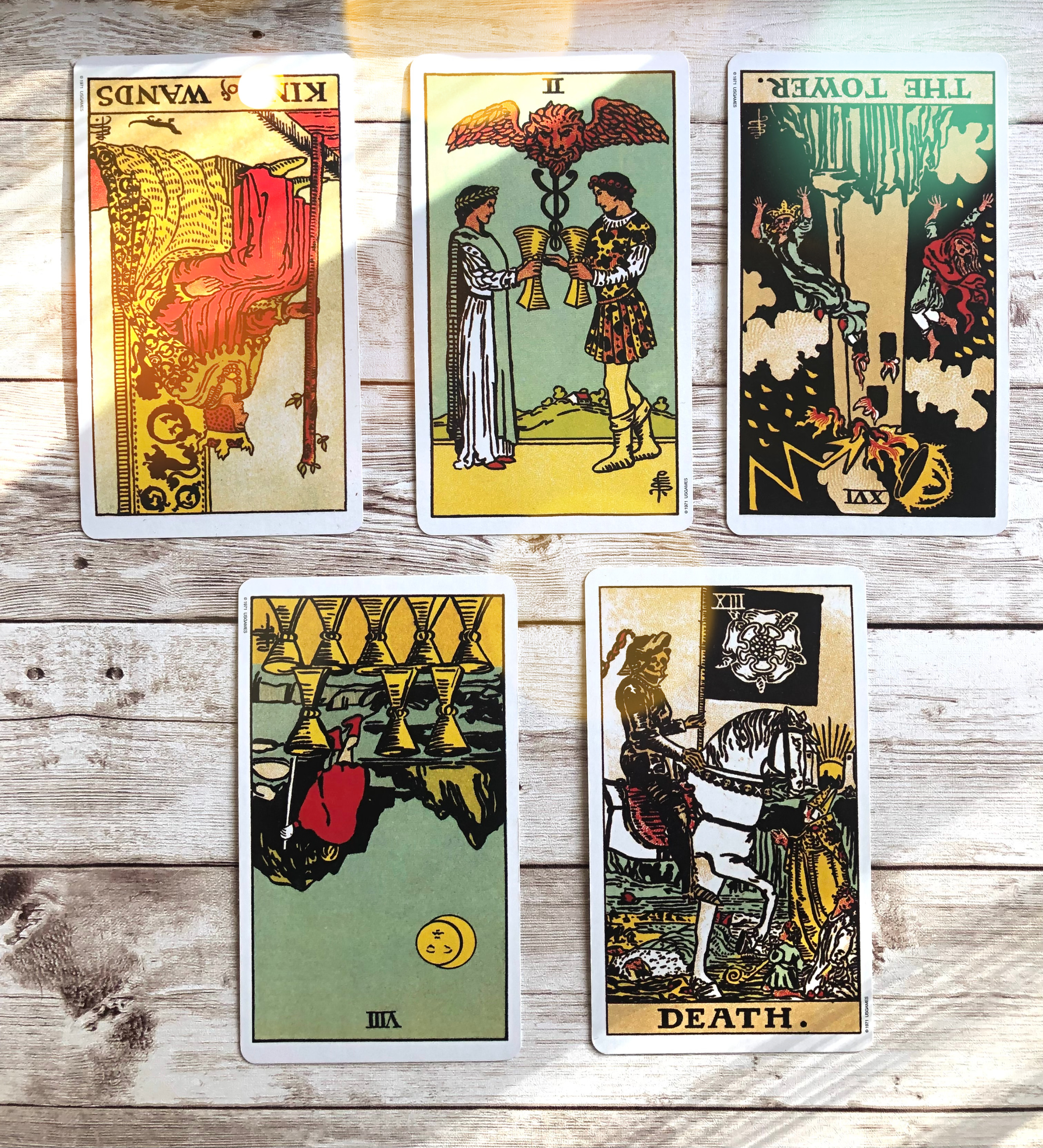
Tarot reversals occur when a card appears upside down during a reading. While some traditionalists argue that reversals are unnecessary—believing all cards carry their core meaning regardless of orientation—many modern readers embrace them as a way to explore deeper, more complex interpretations. A reversed card often signals internal struggles, delays, or subconscious influences that may not be immediately visible in an upright position.
Think of reversals as a whisper from the universe, highlighting areas where energy is stagnant, lessons are yet to be learned, or hidden truths are waiting to be uncovered. For example, the upright Three of Cups celebrates joy and celebration, but reversed, it might suggest gossip, overindulgence, or a lack of genuine connection. By learning to read reversals, you gain a richer, more dynamic understanding of the tarot’s messages.
:max_bytes(150000):strip_icc()/Reversals-581dcd5c3df78cc2e8c3c403.jpg)
Why Use Reversals? The Benefits of Reading Upside Down
Reversals aren’t just a fun tarot hack—they’re a gateway to more intuitive and personalized readings. Here’s why incorporating reversals can elevate your practice:
- Deeper Insight: Reversals force you to look beyond surface-level meanings, encouraging you to explore the card’s shadow side. This can reveal unconscious patterns, fears, or unresolved issues affecting your querent.
- Nuanced Communication: Not every question has a straightforward answer. Reversals allow the tarot to highlight subtle influences, such as procrastination, self-doubt, or external obstacles that might be holding someone back.
- Enhanced Intuition: Reading reversals sharpens your intuitive muscles. You’ll learn to trust your gut feelings when a card’s energy feels “off” or unusually intense.
- Flexibility in Readings: Some cards are more revealing when reversed. For instance, the Ten of Swords upright warns of painful endings, but reversed, it can indicate recovery or a refusal to accept defeat.
Ultimately, reversals make your readings more dynamic, helping you and your querent navigate life’s complexities with greater clarity.
Common Misconceptions About Reversals – And Why They’re Wrong
Despite their growing popularity, reversals still face skepticism. Let’s debunk some of the most persistent myths:
- Myth 1: Reversals are just “negative” interpretations. Reality: Reversals aren’t inherently bad. They highlight areas needing attention, which can be empowering. For example, the reversed Page of Wands might show a lack of inspiration—but it also signals an opportunity to reignite passion.
- Myth 2: Only beginners use reversals. Reality: Even advanced readers use reversals to add layers to their spreads. The key is balance—knowing when to rely on traditional meanings and when to explore the reversed perspective.
- Myth 3: Reversals complicate readings unnecessarily. Reality: While they require practice, reversals simplify readings by cutting through ambiguity. A reversed card can cut to the chase, revealing what the querent might be avoiding.
By reframing reversals as a tool for precision rather than complication, you’ll see them for what they truly are: a way to make your readings more accurate and insightful.
How to Read Reversals: A Step-by-Step Guide for Beginners
Ready to dive into reversals? Follow these steps to interpret them like a pro:
Step 1: Understand the Card’s Core Energy
Before interpreting a reversal, familiarize yourself with the card’s upright meaning. For example, the Chariot upright symbolizes determination and victory, while reversed, it may indicate a lack of direction or internal conflict. Ask yourself: What is the card’s primary message when upright?
Step 2: Look for Blocked or Distorted Energy
Reversals often indicate energy that is:
- Blocked: The card’s energy isn’t flowing freely (e.g., reversed Lovers might suggest disharmony or indecision in relationships).
- Distorted: The card’s meaning is twisted or exaggerated (e.g., reversed Strength could point to inner turmoil or a struggle with patience).
- Delayed: The card’s energy is coming, but not yet fully realized (e.g., reversed Ace of Pentacles might mean missed opportunities or financial instability).
Step 3: Trust Your Intuition
Reversals are highly subjective. If a card feels “heavy” or “stuck,” lean into that feeling. Journal your interpretations and compare them over time to refine your intuition. For example, you might notice that reversed Judgement consistently appears when someone is avoiding a major life decision.
Step 4: Use Reversals in Context
A reversed card’s meaning changes depending on its position in a spread. In a past position, it might indicate a past mistake; in a future position, it could warn of potential pitfalls. Always consider the surrounding cards for a holistic reading.
Reversed Tarot Cards: A Cheat Sheet for Quick Reference
Keep this guide handy when interpreting reversals. Remember, these are starting points—your intuition will add depth to each reading.
| Card | Upright Meaning | Reversed Meaning |
|---|---|---|
| The Fool | New beginnings, spontaneity, adventure | Recklessness, poor judgment, naivety |
| The High Priestess | Intuition, mystery, hidden knowledge | Ignoring intuition, secrets, emotional detachment |
| The Tower | Sudden change, upheaval, revelation | Resisting change, fear of chaos, delayed breakthroughs |
| Eight of Cups | Walking away, seeking deeper meaning | Avoiding necessary endings, stagnation, fear of commitment |
Advanced Techniques: Blending Reversals with Other Tarot Practices
Once you’re comfortable with basic reversals, experiment with these advanced techniques to take your readings to the next level:
1. Reversals in Timing Spreads
Use reversals to pinpoint when a situation might unfold. For example, a reversed Six of Swords in the “next month” position could indicate a slow-moving transition or unresolved emotions lingering before a move.
2. Elemental Dignities with Reversals
Combine elemental dignities (the suit’s element) with reversals to assess compatibility between cards. A fire card (Wands) reversed in a spread with water cards (Cups) might suggest suppressed passion or emotional burnout.
3. Reversed Card Pairs
Pair two reversed cards to see how their energies interact. For instance, reversed Two of Pentacles (financial imbalance) + reversed King of Cups (emotional suppression) could indicate a struggle to manage both money and feelings simultaneously.
4. The “No Reversals” Rule (And When to Break It)
Some readers prefer to read all cards upright, interpreting their energy as it is. However, even in this system, you can note when a card feels “off” or unusually intense—this is essentially a reversed reading in disguise.
Troubleshooting Common Reversal Challenges
Even experienced readers hit snags with reversals. Here’s how to overcome them:
Problem: Too Many Reversals in a Reading
Solution: If most cards appear reversed, it doesn’t mean doom—it could indicate a need for introspection or a period of internal growth. Ask your querent: “What feels stuck right now?” This shifts the focus from negativity to awareness.
Problem: A Card’s Reversed Meaning Feels Too Harsh
Solution: Softening the language can help. Instead of saying, “You’re failing,” try, “This area needs more attention.” For example, reversed Five of Pentacles could mean financial stress—but also an opportunity to ask for help.
Problem: Over-Reliance on Reversals
Solution: Balance is key. Use reversals for about 30% of your readings to keep them fresh. For the remaining 70%, stick to upright meanings to maintain clarity.
Conclusion: Your Journey with Reversals Starts Now
Tarot reversals are more than just a trend—they’re a gateway to deeper self-awareness and more nuanced readings. By embracing the upside-down cards, you unlock layers of meaning that upright interpretations alone can’t provide. Whether you’re reading for yourself or others, reversals add a layer of sophistication to your practice, helping you navigate life’s twists and turns with greater insight.
Start small: practice with single-card pulls, keep a reversal journal, and trust your intuition. Over time, you’ll develop a unique relationship with reversed cards, seeing them not as obstacles, but as guides pointing you toward growth. Remember, the tarot is a mirror—reversals simply show you what’s reflecting back in a new light.
Now, shuffle your deck, draw a card, and see what the reversed universe has to say. The only download you need is this guide—and your willingness to explore.
FAQ
What are tarot reversals?
Tarot reversals occur when a card appears upside down during a reading, often indicating deeper insights or hidden challenges.
Why should I use reversals in my tarot readings?
Incorporating reversals can provide deeper insights, enhance intuition, and allow for more nuanced interpretations of the cards.
How do I interpret reversed tarot cards?
To interpret reversals, first understand the card’s upright meaning, then look for blocked or distorted energy, trust your intuition, and consider the card’s position in the spread.
Leave a Reply