Short Answer
Dive into the enigmatic world of reversed tarot cards, where hidden truths, untold stories, and the universe’s whispers come to life. This guide unravels the mysteries behind reversed tarot cards, offering insights into their symbolism, interpretations, and the profound messages they carry. Whether you’re a seasoned reader or a curious seeker, discover how these upside-down cards reveal deeper layers of your journey, challenges, and hidden potentials. Prepare to see beyond the surface and embrace the magic of what lies beneath.
The Essence of Reversed Tarot Cards: A Mirror to the Soul
Tarot cards in their upright position often present clear, direct messages—like a straightforward conversation with the universe. But when a card appears reversed, it flips the script, inviting you to look deeper. Reversed cards act as a mirror, reflecting the hidden, the unacknowledged, or the subconscious forces at play in your life. They don’t necessarily signify negativity; instead, they highlight areas where energy is blocked, misdirected, or evolving in unexpected ways.
Imagine a tarot spread as a garden. Upright cards are the vibrant flowers in full bloom, while reversed cards might be the roots beneath the soil—essential, yet unseen. They remind us that growth often happens in the shadows before it surfaces. Reversed cards challenge you to ask: What am I not seeing? What truth am I avoiding?
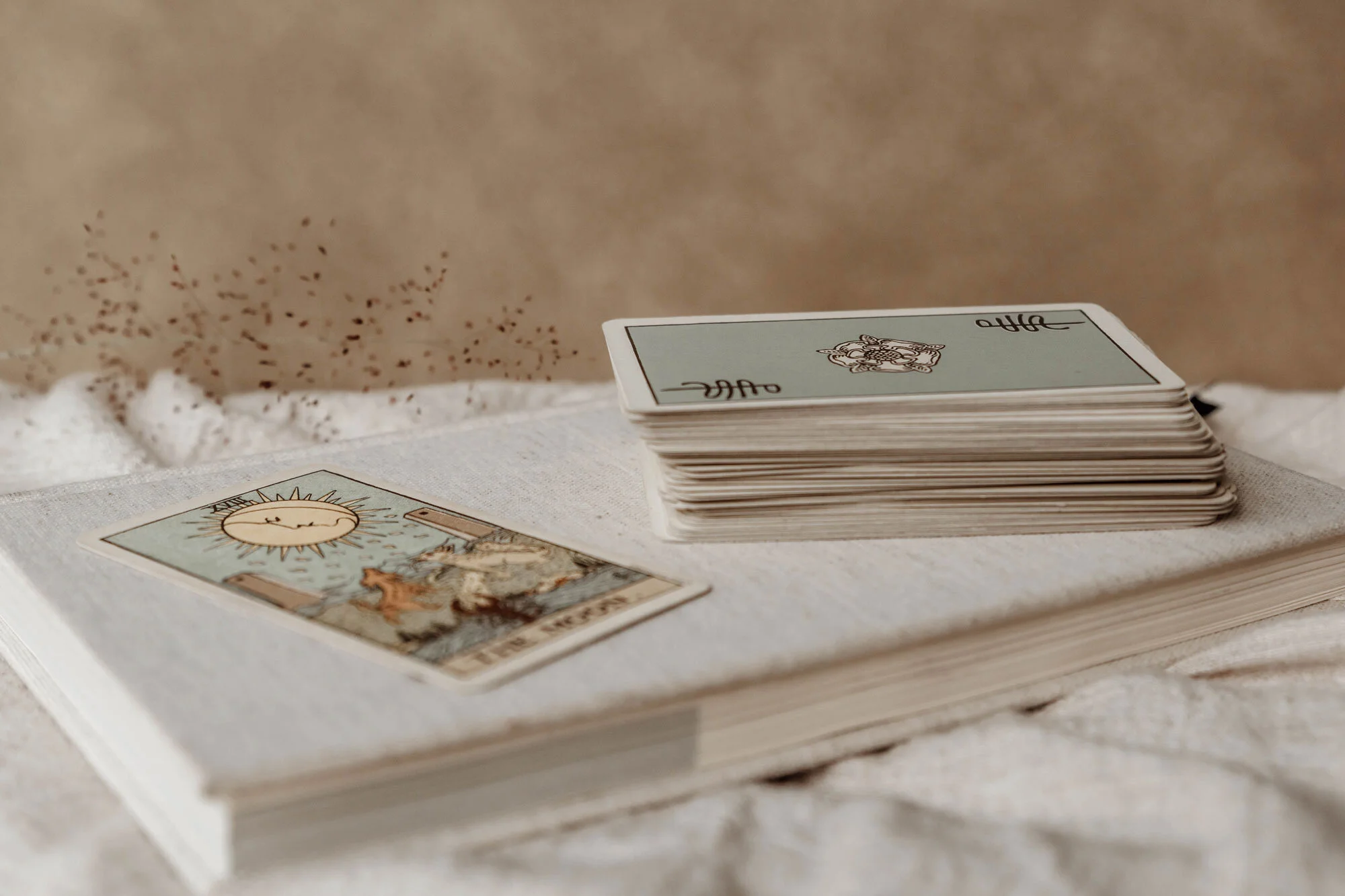
Why Reversed Cards Matter: The Language of the Subconscious
Reversed tarot cards speak in the language of the subconscious—a realm where intuition, fears, and unprocessed emotions reside. When a card is reversed, it often indicates:
- Blocked Energy: The card’s positive attributes are stifled, suggesting resistance, procrastination, or external obstacles.
- Internal Conflict: The card’s energy is in turmoil, reflecting self-doubt, inner turmoil, or unresolved issues.
- Evolution in Progress: The reversed card may signal a necessary breakdown before a breakthrough, like a caterpillar dissolving in its chrysalis.
- Hidden Opportunities: Sometimes, the reversed card points to untapped potential or a lesson that hasn’t yet been integrated.
For example, the upright Three of Cups celebrates joy and celebration, but reversed, it might warn of gossip, overindulgence, or fleeting connections. The reversed Chariot could suggest a lack of direction or inner conflict, urging you to realign your goals with your true desires.
Common Misconceptions: Debunking the Myths
Reversed tarot cards are often shrouded in misconceptions. One of the most pervasive is the idea that they always indicate bad luck or failure. In reality, reversed cards are neutral—their meaning depends entirely on the context of the reading and the querent’s journey. Another myth is that reversed cards are “lesser” than upright ones. On the contrary, they offer a richer, more nuanced perspective, like a story told from a different angle.
It’s also important to note that not all readers use reversed cards. Some prefer to focus solely on the upright meanings, while others see reversed cards as a way to deepen the narrative. The key is consistency—whether you choose to interpret reversals or not, stick to your method to maintain clarity in your readings.
How to Read Reversed Tarot Cards: A Step-by-Step Guide
Reading reversed tarot cards requires a blend of intuition, symbolism, and context. Here’s a step-by-step approach to unlock their secrets:
1. Observe the Card’s Traditional Meaning
Start by recalling the upright meaning of the card. For instance, the Lovers upright represents harmony and choices, while reversed, it might highlight disharmony, indecision, or a need to reassess priorities.
2. Consider the Card’s Imagery
Reversed cards often feature distorted, faded, or obscured imagery. The Moon reversed, for example, might show a waning moon or a shadowy figure, suggesting confusion, illusion, or suppressed emotions. Pay attention to these visual cues—they’re clues from the universe.
3. Reflect on the Querent’s Energy
Ask yourself: How does this card resonate with the person’s current situation? A reversed Strength card in a reading about relationships could indicate a need to tame inner fears or control impulses. The reversed card’s message is deeply personal.
4. Look for Patterns in the Spread
Reversed cards rarely appear in isolation. Notice their position in the spread—are they clustered together, or do they balance upright cards? A spread with multiple reversed cards might signal a period of upheaval, while a single reversed card could highlight a minor but significant challenge.
5. Trust Your Intuition
Tarot is as much about logic as it is about intuition. If a reversed card feels positive to you, honor that feeling. Conversely, if a card’s traditional reversed meaning resonates deeply, lean into that interpretation. Your inner wisdom is the ultimate guide.
The Unique Appeal of Reversed Tarot: Why We’re Drawn to the Shadows
Reversed tarot cards hold a magnetic allure because they mirror the human experience in all its complexity. Life isn’t always black and white, and neither are tarot readings. Reversed cards embrace the gray areas—the doubts, the delays, the unspoken truths. They remind us that growth isn’t linear, and sometimes, the most profound lessons come from what we resist.
There’s also a thrill in deciphering reversed cards. They feel like a secret code, a puzzle to solve with the universe. For many, the challenge of interpreting them adds depth to their tarot practice, making each reading a unique adventure. Whether you see them as warnings, wake-up calls, or whispers of hidden potential, reversed cards invite you to engage more deeply with your spiritual path.
Conclusion: Embracing the Hidden Wisdom of Reversed Tarot
Reversed tarot cards are not just inversions of their upright counterparts—they are gateways to deeper understanding. They challenge us to look beyond the obvious, to question our assumptions, and to embrace the full spectrum of our experiences. Whether a reversed card signals a blockage, a hidden opportunity, or an internal shift, its message is a gift from the universe, urging you to grow.
Next time you draw a reversed card, pause and reflect. What is it trying to tell you? What truth is it holding up to the light? Remember, the tarot doesn’t predict the future—it illuminates the present, offering clarity and guidance. By learning to read reversed cards, you unlock a richer, more layered understanding of your journey, one that honors both the light and the shadows.
So, the next time a card appears upside down, don’t turn away. Lean in. The universe is speaking, and its message might just change everything.
FAQ
What do reversed tarot cards signify?
Reversed tarot cards often indicate blocked energy, internal conflict, or hidden opportunities, revealing deeper insights into the querent’s situation.
Are reversed tarot cards always negative?
No, reversed cards are neutral and their meanings depend on the context of the reading and the querent’s journey.
How do I interpret a reversed tarot card?
Consider the card’s traditional meaning, its imagery, the querent’s energy, and the patterns within the spread.
Leave a Reply