Short Answer
Dive into the enchanting world of tarot combinations, where each pairing of cards weaves a unique story, offering deeper insights and unexpected revelations. Whether you’re a seasoned tarot reader or a curious beginner, understanding how cards interact can transform a simple reading into a rich tapestry of meaning. In this guide, we’ll explore the art of tarot combinations, uncovering how different cards merge to create new layers of interpretation. You’ll learn how to pose playful questions to challenge your intuition, recognize common challenges in readings, and ultimately, harness the power of synergy between the cards. By the end, you’ll be equipped to craft more nuanced and insightful tarot readings that resonate on a personal level.
What Are Tarot Combinations and Why Do They Matter?
Tarot combinations refer to the dynamic interplay between two or more tarot cards drawn together in a reading. While single-card draws offer focused insights, combinations introduce complexity, revealing how external influences, hidden motivations, or evolving circumstances shape the narrative. For example, pairing the Lovers with the Eight of Cups might suggest a choice between emotional fulfillment and the pursuit of deeper meaning—highlighting a tension between comfort and growth.
Understanding combinations is crucial because tarot rarely operates in absolutes. A card’s meaning can shift dramatically when placed beside another. The Death card, often feared for its association with endings, might take on a more positive tone when paired with the Tower, signaling transformative change rather than destruction. By mastering combinations, you unlock the ability to read the “story” of a spread, where each card acts as a character influencing the plot.
Moreover, combinations encourage a playful and experimental approach to tarot. Instead of rigidly adhering to traditional meanings, you’re invited to ask: How do these cards challenge or complement each other? This mindset transforms readings from static interpretations into dynamic conversations with the universe.
How to Pose Playful Questions for Tarot Combinations
To extract the most from tarot combinations, you need to ask questions that spark curiosity and invite multiple perspectives. Avoid yes/no queries; instead, frame questions that explore relationships, conflicts, or potential outcomes. For instance:
- Relationships: “How does the Queen of Swords influence my connection with the Three of Pentacles?” (Hint: It might highlight a need for clear communication in collaborative efforts.)
- Career: “What does the Page of Wands paired with the Five of Cups reveal about my creative pursuits?” (This could suggest a focus on innovation despite past disappointments.)
- Personal Growth: “How does the Hermit change when combined with the Six of Wands?” (A potential theme of inner wisdom leading to public recognition.)
Playful questions also involve challenging the status quo. Try asking:
- “What unexpected lesson does the Magician teach when paired with the Ten of Swords?” (A reminder that endings can be gateways to new beginnings.)
- “How does the Chariot’s determination clash or align with the Four of Cups’ apathy?” (A push-pull between ambition and contentment.)
The key is to treat tarot combinations like a dialogue. Let the cards “speak” to each other, and you’ll uncover layers of meaning that static interpretations might miss.
Common Tarot Combos and Their Hidden Messages
Some card pairings recur frequently in readings, each carrying its own unique message. Below are a few classic combinations and their potential interpretations:
The Fool + The World

This pairing is a powerful symbol of new beginnings leading to fulfillment. The Fool represents spontaneity, adventure, and a leap of faith, while The World signifies completion, wholeness, and achievement. Together, they suggest that taking a risk or embracing the unknown can lead to a profound sense of accomplishment. However, be mindful of overconfidence—the Fool’s recklessness might need grounding to avoid unrealistic expectations.
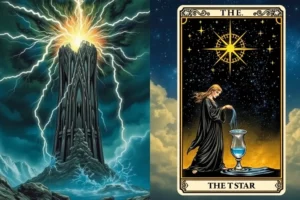
The Tower + The Star
When chaos (The Tower) collides with hope (The Star), the message is clear: destruction paves the way for renewal. This combo often appears during times of upheaval, reassuring you that even when foundations crumble, a guiding light remains. The challenge? Trusting the process. The Tower’s sudden change can feel overwhelming, but The Star reminds you that clarity and healing will follow.
The Empress + The Three of Swords
Here, nurturing energy (The Empress) meets heartbreak (Three of Swords). This combination highlights love’s duality—joy and pain intertwined. It might reflect a relationship that brings both deep fulfillment and inevitable challenges. The question to ponder: Can you embrace the full spectrum of love, including its harder moments? Alternatively, it could warn against overprotectiveness stifling growth.
The Devil + The Eight of Wands
Bondage (The Devil) meets rapid movement (Eight of Wands). This combo often signals escaping toxic patterns or situations—but with urgency. The Eight of Wands suggests swift action is needed to break free from self-imposed or external constraints. The challenge? Avoiding impulsive decisions. Ask yourself: Are you running toward freedom or away from something unhealthy?
Challenges in Reading Tarot Combinations
While tarot combinations are illuminating, they also present unique challenges. One of the biggest hurdles is overcomplicating the reading. It’s easy to spiral into endless interpretations, especially when multiple cards interact. To avoid this, focus on the most dominant themes or emotions in the spread. Ask: What’s the core message here?
Another challenge is confirmation bias—interpreting combinations to fit a preconceived narrative. For example, if you’re hoping for a positive outcome, you might overlook a card’s warning. Counter this by actively seeking opposing viewpoints within the combination. If the Ten of Pentacles (family legacy) appears with the Three of Swords (heartbreak), consider both the blessings and the trials of legacy.
Lastly, intuition vs. tradition can create tension. Some readers swear by traditional meanings, while others rely solely on gut feelings. The sweet spot lies in balancing both. For instance, the Knight of Cups traditionally represents romance and idealism, but intuitively, you might sense a need for emotional detachment. Trust your instincts, but ground them in the cards’ established symbolism.
Practical Tips for Mastering Tarot Combinations
To deepen your understanding of tarot combinations, try these practical exercises:
- Daily Draws: Pull two cards daily and journal their interaction. Note how their meanings merge—do they create a new story, or does one dominate?
- Reverse Pairings: Experiment with reversing one card in a combination. For example, the Chariot (control) + reversed Hermit (isolation) might suggest a struggle between independence and the need for guidance.
- Elemental Dignities: Study how elements (Fire, Water, Air, Earth) interact. Fire (Wands) and Water (Cups) often clash, while Earth (Pentacles) and Air (Swords) may balance each other.
- Storytelling: Treat combinations like a short story. Who are the characters? What’s the conflict? How does it resolve? This narrative approach makes readings more engaging and memorable.
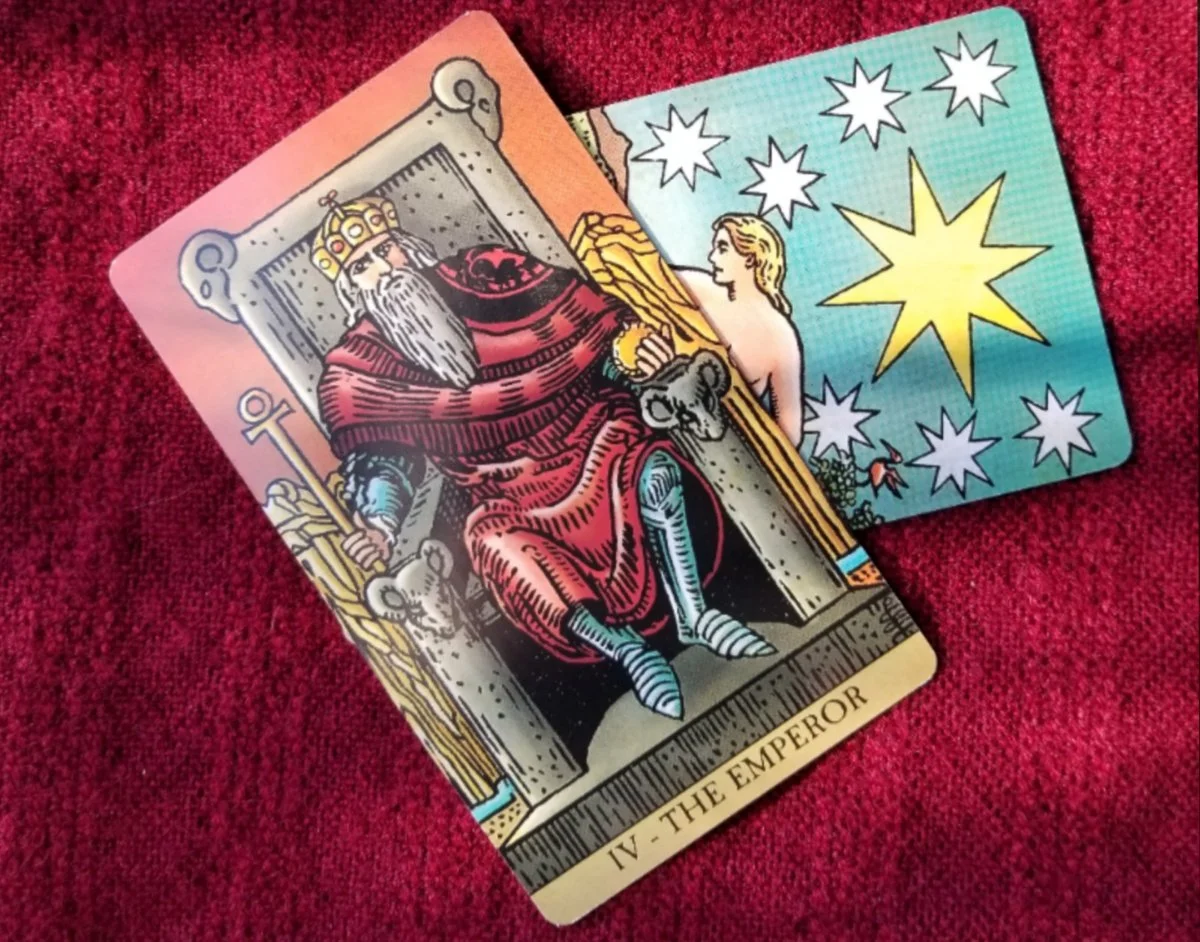
Additionally, use visual aids like the images below to spark ideas. Notice how the Emperor (structure) and Star (hope) create a dialogue about authority and inspiration:
Conclusion
Tarot combinations are the secret sauce of insightful readings, transforming static cards into living, breathing narratives. By posing playful questions, studying classic pairings, and embracing the challenges of interpretation, you’ll develop a more intuitive and dynamic relationship with the tarot. Remember, the magic lies not just in the cards themselves, but in how they converse with one another. Whether you’re navigating a personal dilemma or simply exploring the tarot’s depths, combinations offer a gateway to richer, more layered wisdom. So next time you draw multiple cards, ask: What story are they telling together? The answer might surprise you.
FAQ
What are tarot combinations?
Tarot combinations refer to the interaction between two or more tarot cards in a reading, where their combined meanings create deeper insights and narratives.
Why are tarot card combinations important?
They add complexity and nuance to readings, revealing how cards influence each other and the overall story, which single card interpretations may miss.
How can I practice reading tarot combinations?
Try daily two-card draws, experiment with reversed cards, study elemental interactions, and treat combinations like stories to develop intuitive understanding.
What are some common tarot card combinations?
Examples include The Fool + The World for new beginnings leading to fulfillment, The Tower + The Star for transformation and hope, and The Devil + Eight of Wands indicating urgent escape from toxic patterns.
What challenges exist when interpreting tarot combinations?
Challenges include overcomplicating interpretations, confirmation bias, and balancing traditional meanings with intuition.
Leave a Reply