Short Answer
Welcome to a deep dive into the legendary swords of Final Fantasy VII, where steel meets story, and every blade carries the weight of promises. This guide explores the iconic weapons that have defined battles, characters, and the very essence of this timeless RPG. From the humble Buster Sword to the mythic Masamune, we’ll uncover the history, significance, and lore behind these legendary armaments. Whether you’re a longtime fan or a newcomer, prepare to see these swords in a new light.
The Buster Sword: A Symbol of Legacy and Power
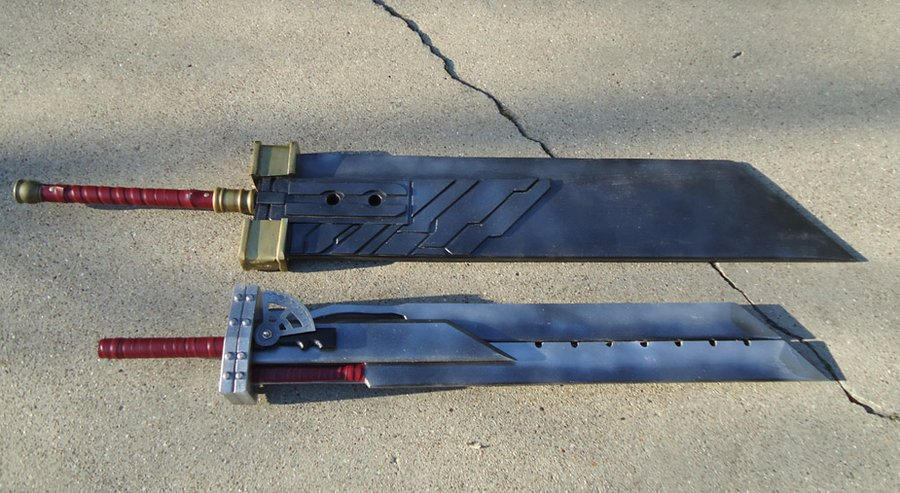
The Buster Sword is more than just a weapon—it’s a symbol of Cloud Strife’s journey, resilience, and the unbreakable bonds that define Final Fantasy VII. Forged by the legendary weaponsmith Biggs, this massive greatsword was originally wielded by Sephiroth, the game’s iconic antagonist. Its sheer size and weight make it a formidable tool in battle, capable of cleaving through foes with ease. However, its true significance lies in its transfer of ownership. After Sephiroth’s fall, the Buster Sword becomes Cloud’s signature weapon, representing his growth from a lone mercenary to a hero willing to challenge fate itself.
Visually, the Buster Sword is a marvel of design, blending gothic aesthetics with brutal functionality. Its jagged edges and worn metal tell a story of countless battles, while its size underscores the strength required to wield it. For players, mastering the Buster Sword in combat is a rite of passage, a testament to their skill and understanding of the game’s mechanics. Beyond its combat prowess, the sword embodies the themes of legacy and inheritance, as Cloud grapples with his past and the shadows of his former self.
The Masamune: A Blade of Legend and Mystery
No discussion of Final Fantasy VII swords would be complete without mentioning the Masamune, a weapon shrouded in myth and revered for its unparalleled craftsmanship. Named after the famed Japanese swordsmith Goro Masamune, this katana is more than a tool—it’s a legend. In the world of Final Fantasy VII, the Masamune is wielded by Sephiroth, the game’s most enigmatic and powerful figure. Its sleek, elegant design contrasts with the Buster Sword’s brutality, reflecting Sephiroth’s dual nature as both a warrior and a figure of divine wrath.
The Masamune’s lore extends beyond its in-game appearance. According to legend, Masamune’s swords were so finely crafted that they could cut through armor and flesh with minimal resistance. In Final Fantasy VII, this blade is a symbol of Sephiroth’s godlike status, a weapon that embodies his connection to the planet’s Lifestream and his descent into madness. For players, encountering the Masamune in battle is a moment of awe, a reminder of the stakes at play. Its design, with its curved blade and intricate hilt, makes it one of the most recognizable weapons in gaming history.
The Masamune also plays a crucial role in the game’s narrative, particularly in the events surrounding the destruction of Nibelheim. Its presence in Sephiroth’s hands during that fateful night underscores the tragedy of his fall and the ripple effects it has on the world. Whether you view it as a tool of destruction or a symbol of lost potential, the Masamune remains one of the most iconic weapons in Final Fantasy VII.
Other Notable Swords: From the Hard Edge to the Fusion Sword
While the Buster Sword and Masamune dominate the spotlight, Final Fantasy VII features a variety of other swords, each with its own unique story and purpose. The Hard Edge, for example, is a versatile weapon wielded by Barret Wallace, the gruff but compassionate leader of AVALANCHE. Unlike the massive Buster Sword, the Hard Edge is a more practical, balanced blade, reflecting Barret’s role as a tactician and father figure. Its design, with a curved edge and reinforced guard, makes it a favorite among players who prefer a more agile combat style.
The Fusion Sword, another notable weapon, is a fusion of technology and magic, embodying the game’s blend of futuristic and fantasy elements. Wielded by Red XIII, this sword is a testament to the game’s world-building, where ancient traditions meet cutting-edge innovation. Its design, with glowing energy patterns and a sleek, futuristic hilt, sets it apart from the more traditional swords in the game. For players, the Fusion Sword represents the diversity of Final Fantasy VII’s arsenal, offering a unique playstyle that combines physical attacks with magical enhancements.
Other swords, such as the Mythril Saber and the Rune Blade, may not be as iconic but still play important roles in the game’s combat system. The Mythril Saber, for instance, is a lightweight weapon favored by characters like Tifa Lockhart, offering speed and precision. The Rune Blade, on the other hand, is a magical sword that deals elemental damage, making it a valuable asset against specific enemies. Together, these weapons highlight the depth and variety of Final Fantasy VII’s combat mechanics, ensuring that every player can find a sword that suits their playstyle.

The Symbolism of Swords in Final Fantasy VII
Swords in Final Fantasy VII are more than just weapons—they are symbols of power, identity, and the struggles that define the game’s characters. The Buster Sword, for instance, represents Cloud’s journey from a man burdened by his past to a hero who embraces his future. Its transfer from Sephiroth to Cloud is a visual metaphor for legacy and redemption, a theme that resonates throughout the game. Similarly, the Masamune embodies Sephiroth’s godlike ambition and his eventual downfall, a reminder of the dangers of unchecked power.
The swords in Final Fantasy VII also reflect the game’s themes of environmentalism and corporate greed. The fusion of ancient craftsmanship with futuristic technology in weapons like the Fusion Sword underscores the game’s critique of progress at any cost. Even the materials used to forge these blades—steel, mythril, and energy—speak to the game’s world-building, where nature and industry are often at odds. By examining these weapons, players gain a deeper understanding of the game’s narrative and the forces that shape its world.
Moreover, the swords serve as a bridge between the game’s characters and its players. Wielding a legendary blade like the Buster Sword or Masamune in battle creates a sense of connection to the story, making the experience more immersive. It’s not just about dealing damage—it’s about embodying the spirit of the character who once held that weapon, whether it’s Cloud’s determination or Sephiroth’s fury. This connection is a testament to the power of Final Fantasy VII’s design, where even the smallest details contribute to a larger, unforgettable experience.
Conclusion
The swords of Final Fantasy VII are more than mere tools of combat—they are vessels of story, emotion, and meaning. From the Buster Sword’s legacy to the Masamune’s mystery, each blade carries a weight that transcends its in-game function. They reflect the struggles, triumphs, and identities of the characters who wield them, while also serving as a lens through which players can explore the game’s deeper themes. Whether you’re a fan revisiting the classic or a newcomer discovering its magic, these swords invite you to see Final Fantasy VII in a new light.
As you embark on your journey through the world of Final Fantasy VII, take a moment to appreciate the craftsmanship and lore behind these legendary weapons. They are not just pixels on a screen—they are the steel that shapes destiny, the promise that binds heroes to their fate, and the legacy that endures through generations of players.
FAQ
What is the Buster Sword?
The Buster Sword is Cloud Strife's iconic weapon in Final Fantasy VII, symbolizing his journey and legacy.
Who is Sephiroth and what is his signature sword?
Sephiroth is the main antagonist of Final Fantasy VII, known for wielding the legendary Masamune katana.
How do swords in Final Fantasy VII contribute to the game's themes?
Swords symbolize power, identity, and the conflict between nature and technology, enhancing narrative depth.
What is unique about the Fusion Sword?
The Fusion Sword blends technology and magic, reflecting the game's mix of futuristic and fantasy elements.

Leave a Reply