Short Answer
Embarking on your tarot journey can feel overwhelming at first. With so many decks, spreads, and interpretations to explore, it’s easy to wonder where to even begin. This guide is designed to simplify the process, helping you understand the basics of tarot without getting lost in unnecessary complexity. By the end, you’ll have a clear foundation to start reading for yourself and others with confidence. Whether you’re drawn to tarot for self-reflection, spiritual growth, or sheer curiosity, this introduction will set you on the right path.
What Is Tarot and Why Does It Fascinate People?
Tarot is a deck of 78 illustrated cards used for divination, self-discovery, and meditation. While many associate tarot with fortune-telling, its true power lies in its ability to reflect the human experience. Each card represents archetypal energies, emotions, and life situations, making tarot a mirror for the subconscious mind. The fascination with tarot often stems from its dual nature: it’s both a tool for guidance and a creative outlet. People are drawn to tarot because it offers a structured way to explore their inner world while leaving room for personal interpretation. Whether you’re seeking answers or simply intrigued by the symbolism, tarot provides a unique lens to examine life’s challenges and opportunities.

The Structure of a Tarot Deck: Major and Minor Arcana
A standard tarot deck is divided into two main sections: the Major Arcana and the Minor Arcana. The Major Arcana consists of 22 cards, each representing significant life themes, such as The Fool (new beginnings), The Lovers (relationships), and Death (transformation). These cards often indicate major influences or turning points in a reading. The Minor Arcana, on the other hand, has 56 cards divided into four suits—Wands, Cups, Swords, and Pentacles—each corresponding to different aspects of daily life. Wands relate to creativity and passion, Cups to emotions, Swords to intellect, and Pentacles to material matters. Understanding this structure is crucial, as it helps you recognize whether a reading is addressing deep life changes (Major Arcana) or everyday situations (Minor Arcana).
Choosing Your First Tarot Deck: Practical Tips
Selecting your first tarot deck can be both exciting and daunting. The most important factor is your personal connection to the imagery. Some decks feature traditional Rider-Waite symbolism, while others offer modern or artistic interpretations. If you’re drawn to vivid colors and detailed illustrations, a deck like the Modern Witch Tarot or Light Seer’s Tarot might resonate with you. For those who prefer simplicity, the Everyday Tarot or Tarot of the Divine offers clear, accessible designs. Avoid decks with overly complex or abstract imagery if you’re just starting out. Additionally, consider the deck’s size—smaller decks are easier to carry, while larger ones provide more detail. Trust your intuition; the right deck will feel like it’s meant for you.
Basic Tarot Spreads for Beginners
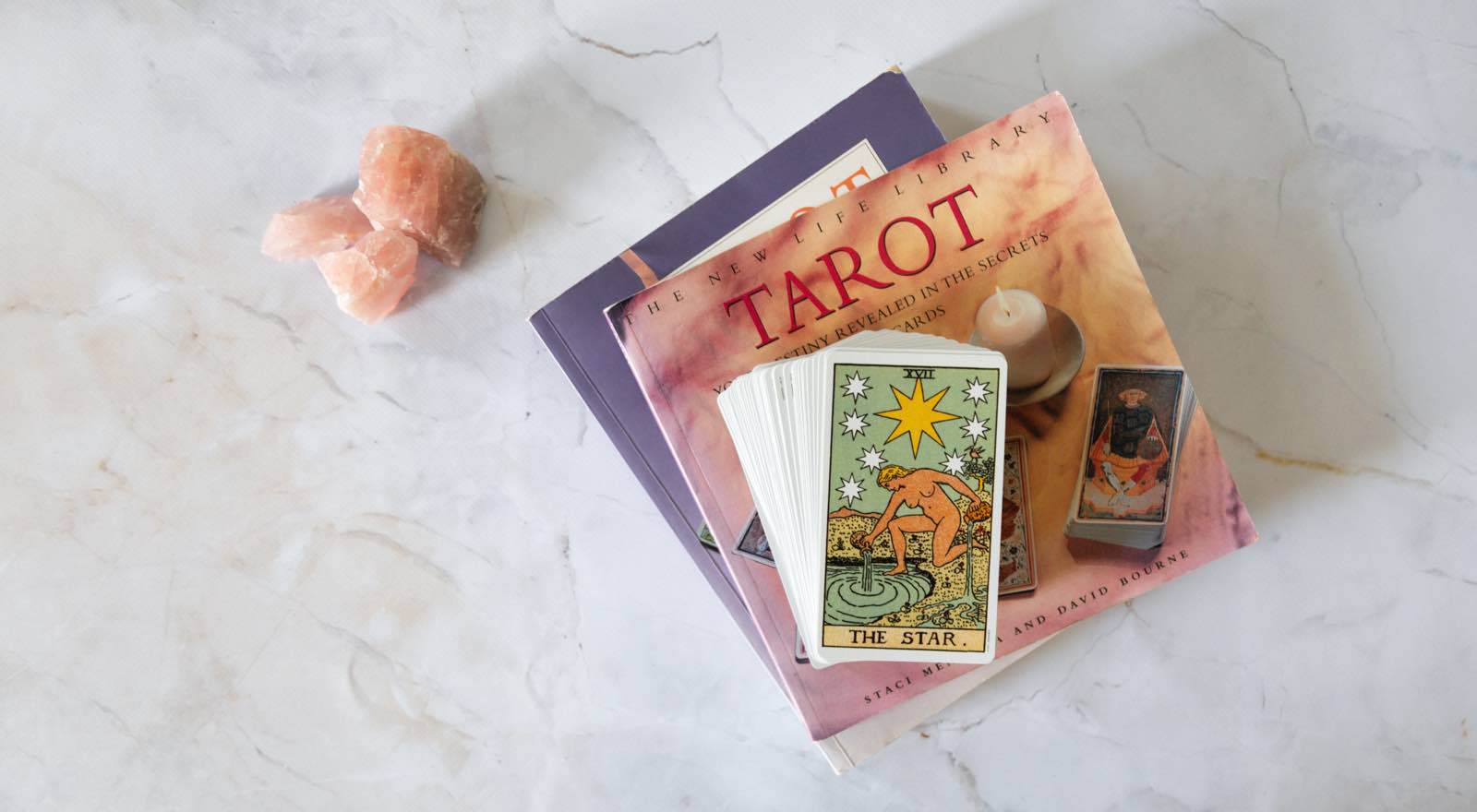
Spreads are layouts that determine how cards are positioned in a reading. As a beginner, start with simple spreads to build your confidence. The One-Card Spread is ideal for daily reflections or quick insights. The Three-Card Spread—representing past, present, and future—is another excellent starting point. For more depth, try the Celtic Cross, a classic 10-card spread that explores a situation’s influences, challenges, and potential outcomes. When laying out cards, focus on your question or intention. Shuffle the deck while concentrating on your query, then draw the cards. Don’t worry about getting it “wrong”—tarot is about intuition, not perfection. Over time, you’ll develop a feel for which spreads work best for different situations.
Interpreting Tarot Cards: Symbolism and Intuition
Interpreting tarot cards involves both studying their traditional meanings and trusting your intuition. Each card’s symbolism—such as colors, objects, and figures—provides clues to its message. For example, The High Priestess often represents intuition and hidden knowledge, while The Tower signifies sudden change or upheaval. However, context matters. A card’s position in a spread and its surrounding cards can alter its meaning. For instance, The Death card in a career reading might indicate transformation rather than literal demise. To deepen your understanding, keep a tarot journal. Note the cards you draw, their positions, and your interpretations. Over time, you’ll notice patterns and develop a personal relationship with the deck. Remember, there’s no single “correct” interpretation—your unique perspective is what makes tarot powerful.
Common Mistakes Beginners Make (And How to Avoid Them)
One of the biggest mistakes beginners make is relying too heavily on guidebooks. While reference materials are helpful, they shouldn’t replace your intuition. Another pitfall is overcomplicating readings with too many cards or complex spreads before mastering the basics. It’s also easy to fall into the trap of seeking “yes” or “no” answers, which limits tarot’s potential. Instead, frame questions in a way that encourages insight, such as “What do I need to know about my current relationship?” or “How can I improve my creativity?” Lastly, don’t dismiss reversed cards (cards drawn upside down) as negative. Reversals often highlight blocked energy or internal struggles, offering opportunities for growth. Approach tarot with an open mind, and you’ll avoid these common stumbling blocks.
Developing a Daily Tarot Practice
Consistency is key to deepening your tarot practice. Start with a daily one-card draw to set an intention or reflect on your day. Ask questions like, “What energy should I focus on today?” or “What lesson can I learn from this moment?” Over time, this practice builds a dialogue between you and your deck, enhancing your intuitive abilities. Pair your readings with meditation or journaling to explore the cards’ messages more deeply. You can also incorporate tarot into rituals, such as lighting a candle or using crystals to amplify the energy. The more you engage with tarot, the more it becomes a natural part of your self-discovery journey. Remember, there’s no “right” way to practice—what matters is that it feels meaningful to you.
Conclusion
Tarot is a gateway to self-awareness, creativity, and spiritual exploration. As a beginner, focus on building a strong foundation by understanding the deck’s structure, choosing a deck that resonates with you, and practicing simple spreads. Trust your intuition, keep a journal, and approach each reading with curiosity rather than fear. The cards are not here to predict your future but to illuminate your present, offering guidance and reflection. Whether you’re drawn to tarot for personal growth or sheer fascination, the journey is yours to explore. Start small, stay consistent, and let the magic of tarot unfold naturally. Your path begins now.
FAQ
What is tarot?
Tarot is a deck of 78 illustrated cards used for divination, self-discovery, and meditation, reflecting the human experience.
How do I choose my first tarot deck?
Select a deck that resonates with you personally, considering imagery and symbolism that you connect with.
What are some common mistakes beginners make in tarot?
Common mistakes include relying solely on guidebooks, overcomplicating readings, and seeking yes/no answers.
FAQ
What is tarot?
Tarot is a deck of 78 illustrated cards used for divination, self-discovery, and meditation, reflecting archetypal energies and life situations.
How do I choose my first tarot deck?
Select a tarot deck that resonates with you personally, considering the imagery and style that appeals to you.
What are some common mistakes beginners make with tarot?
Common mistakes include relying too heavily on guidebooks, overcomplicating readings, and seeking simple yes or no answers.
Leave a Reply