Short Answer
Welcome to your ultimate guide to understanding every tarot card in depth. Whether you’re a beginner seeking foundational knowledge or an experienced reader looking to refine your interpretations, this comprehensive resource covers everything you need to know about the 78 cards in a standard tarot deck. You’ll explore the structure of the deck, the meanings of each card in the Major and Minor Arcana, and practical tips for reading spreads. By the end, you’ll have a clear, no-nonsense understanding of how to use tarot cards effectively in your practice.
Understanding the Structure of a Tarot Deck
A standard tarot deck consists of 78 cards divided into two main groups: the Major Arcana and the Minor Arcana. The Major Arcana contains 22 cards, each representing significant life events, spiritual lessons, or archetypal energies. These cards often signify major turning points or deep inner transformations. The Minor Arcana, on the other hand, includes 56 cards divided into four suits—Cups, Pentacles, Swords, and Wands—each reflecting everyday experiences, challenges, and opportunities. Together, these cards form a complete narrative that can guide you through various aspects of life.

Exploring the Major Arcana: The Fool’s Journey
The Major Arcana cards tell a story known as the Fool’s Journey, which symbolizes the path of spiritual growth and self-discovery. Starting with The Fool (card 0), representing new beginnings and unlimited potential, the journey progresses through cards like The Magician (I), symbolizing manifestation and resourcefulness, and The High Priestess (II), representing intuition and hidden knowledge. Each card builds upon the last, offering insights into personal development, challenges, and enlightenment. Cards such as The Tower (XVI) and The Star (XVII) highlight moments of upheaval and hope, respectively, illustrating the cyclical nature of life’s ups and downs. Understanding these cards provides a framework for interpreting their significance in any reading.
Diving into the Minor Arcana: Everyday Life and Challenges
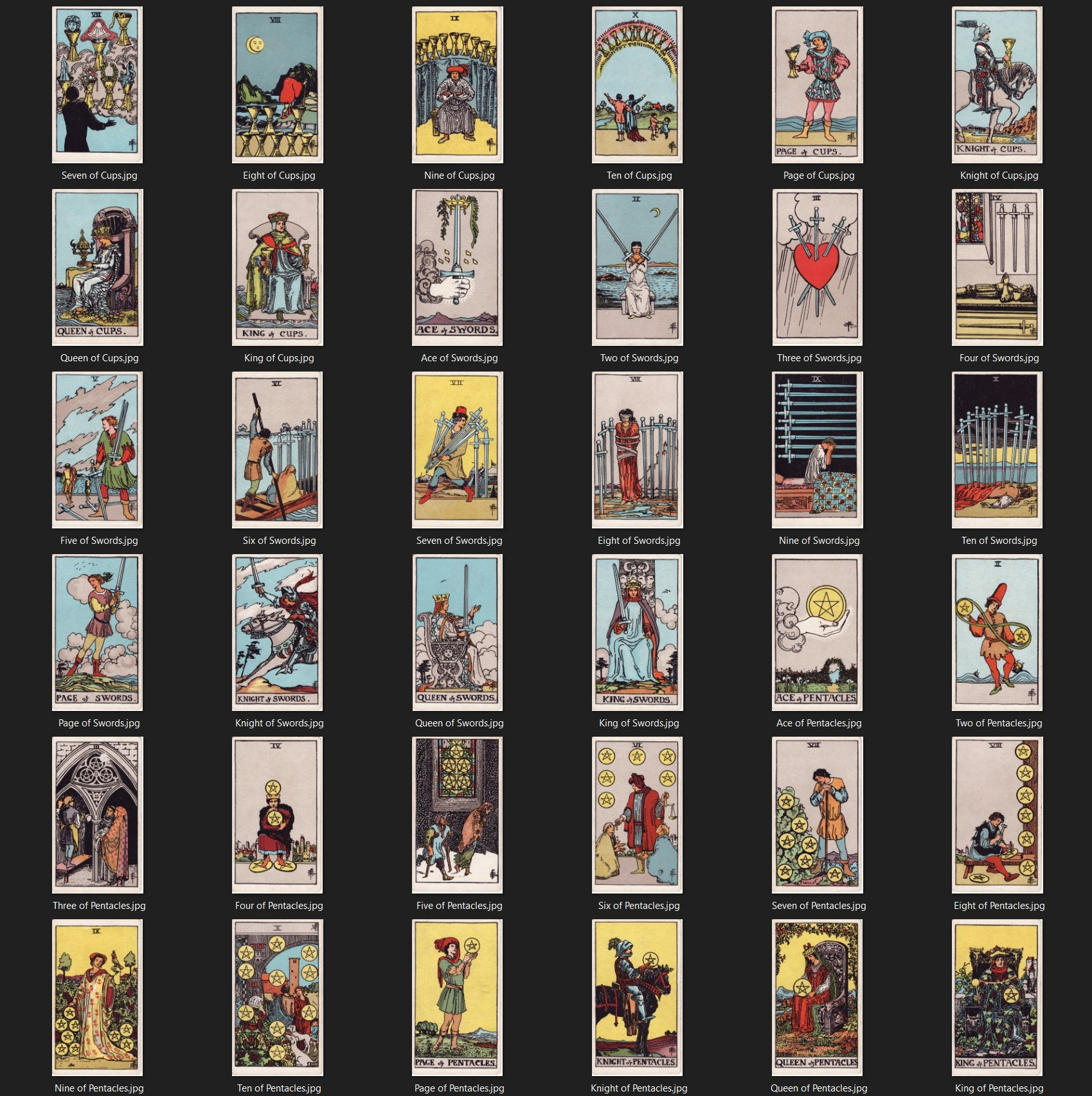
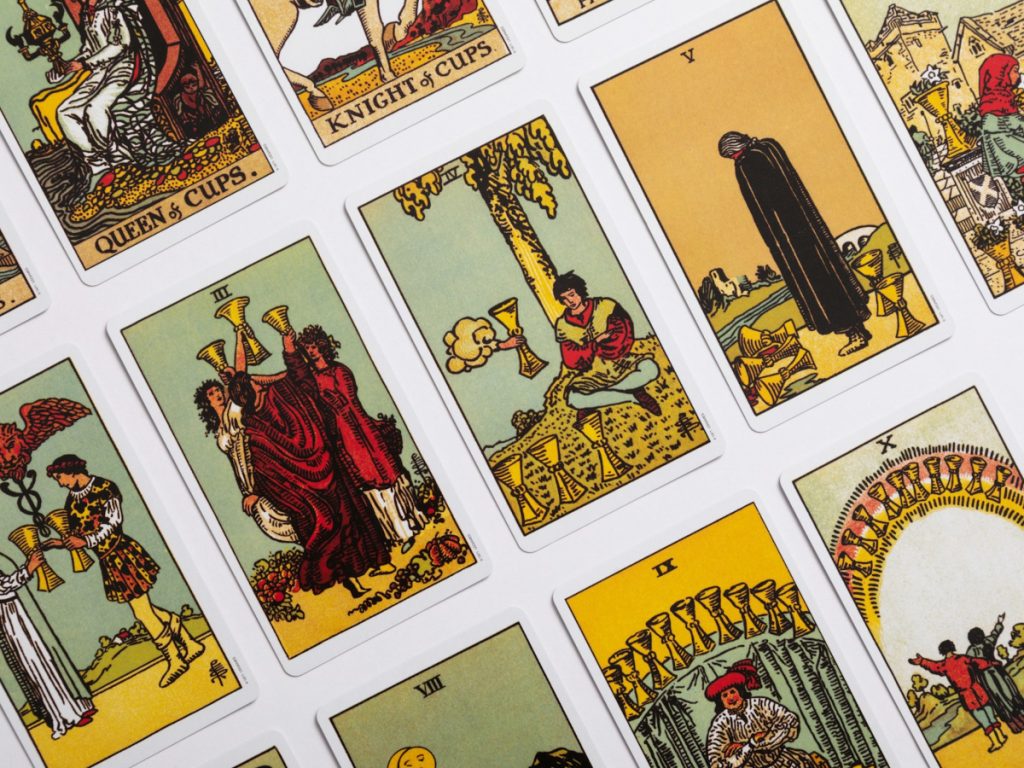
The Minor Arcana cards focus on the practical aspects of life, offering nuanced insights into relationships, career, finances, and personal growth. Each suit carries its own elemental energy: Cups relate to emotions and relationships, Pentacles to material wealth and stability, Swords to intellect and conflict, and Wands to creativity and passion. Within each suit, numbered cards from Ace to 10 represent different stages or intensities of the suit’s energy, while the court cards—Page, Knight, Queen, and King—embody personality traits or people in your life. For example, the Three of Cups celebrates friendship and joy, while the Five of Pentacles may indicate financial hardship or feeling left out in the cold.
Interpreting Court Cards: Personalities and Energies
Court cards in the Minor Arcana can be some of the most challenging to interpret, as they often represent people or personality traits rather than specific events. Each court card embodies a unique combination of suit and rank, offering a rich tapestry of meaning. For instance, the Queen of Swords is often seen as an independent, analytical woman who values truth and clarity, while the Knight of Wands embodies adventure, impulsiveness, and a thirst for new experiences. These cards can also reflect aspects of yourself or others in a reading, providing clarity on how to navigate relationships or personal growth. Learning to read court cards involves understanding their elemental associations and the context of the reading.
Practical Tips for Reading Tarot Spreads
Reading tarot spreads effectively requires more than just memorizing card meanings—it involves intuition, context, and practice. Start with simple spreads like the three-card spread, which represents past, present, and future, or the Celtic Cross for deeper insights into a situation. Pay attention to the positions of the cards and how they interact with one another. For example, a Major Arcana card appearing in a spread often signifies a significant life event or spiritual lesson, while a cluster of Swords may indicate mental stress or decision-making challenges. Trust your intuition when interpreting the cards, and remember that no single card has a fixed meaning—it’s the combination of cards and their positions that creates a cohesive narrative.
Common Misconceptions and How to Avoid Them
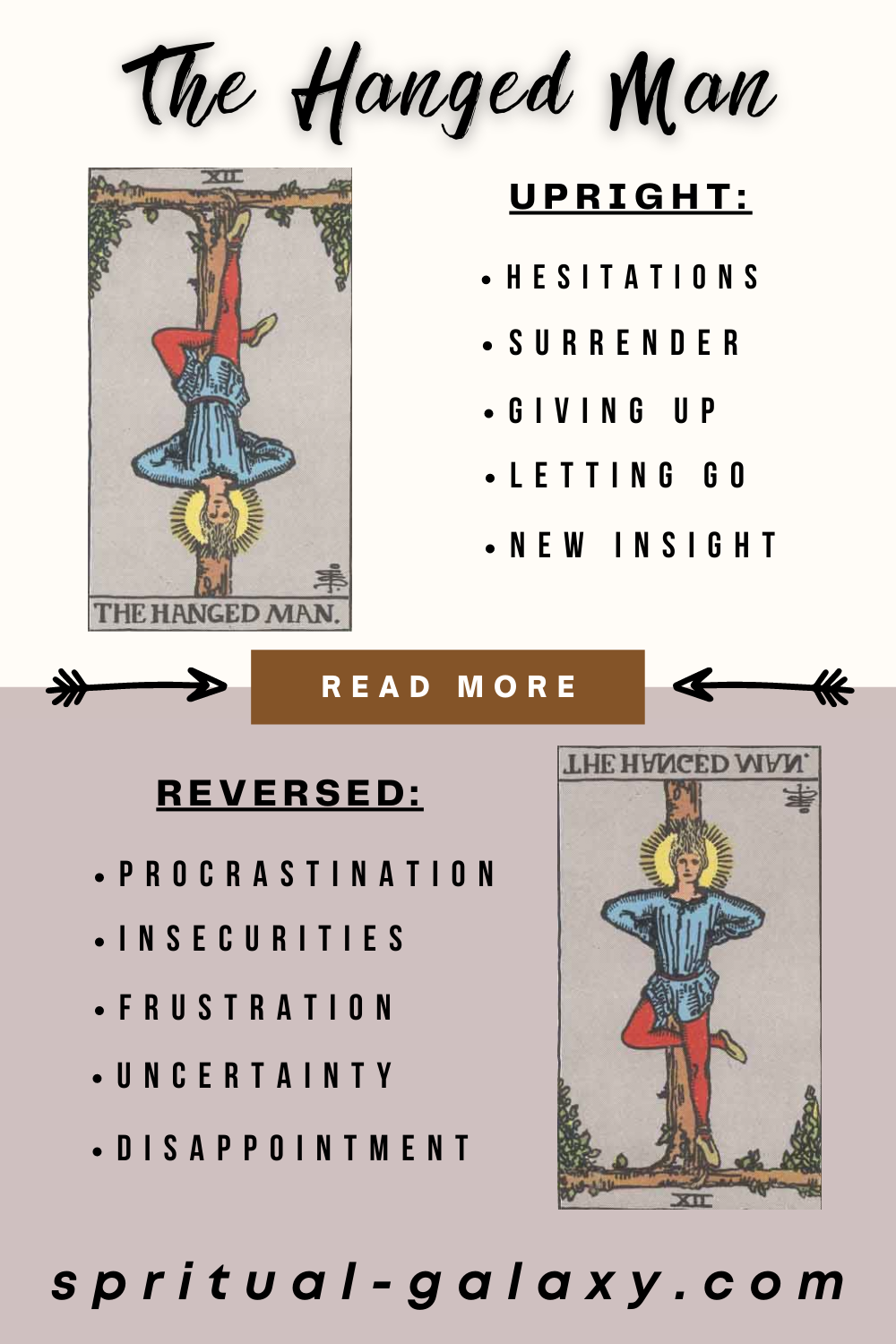
Tarot is often shrouded in myths and misconceptions, such as the idea that it predicts the future with certainty or that only psychics can read the cards. In reality, tarot is a tool for reflection, guidance, and self-awareness. It doesn’t foretell a fixed destiny but rather highlights potential paths and influences. Another common mistake is relying solely on guidebooks for interpretations, which can limit your intuitive connection to the cards. Instead, allow your personal experiences and emotions to shape your understanding. Avoid seeing reversed cards (upside-down cards) as inherently negative—reversals often indicate blocked energy, internal struggles, or a need for introspection rather than failure.
Using Tarot for Personal Growth and Decision-Making
Tarot can be a powerful tool for personal development, helping you clarify your goals, confront fears, and explore hidden motivations. Use it to gain perspective on difficult decisions, such as career changes or relationship issues, by pulling a single card for daily guidance or a larger spread for deeper exploration. For example, pulling The Chariot (VII) might encourage you to take control of your direction and move forward with determination, while The Hermit (IX) could suggest a need for solitude and introspection. Regular tarot practice fosters self-awareness and empowers you to make choices aligned with your highest good.
Conclusion
This guide has provided a thorough exploration of the 78 tarot cards, from the transformative journey of the Major Arcana to the everyday insights of the Minor Arcana. You’ve learned how to interpret court cards, use spreads effectively, and avoid common pitfalls in your practice. Tarot is a versatile tool that can illuminate your path, offering clarity and guidance when you need it most. Whether you’re using it for self-reflection, decision-making, or spiritual growth, the key to mastering tarot lies in consistent practice, trust in your intuition, and an open mind. Keep exploring, and let the cards become a trusted companion on your journey.
FAQ
What is the significance of the Major Arcana in tarot?
The Major Arcana consists of 22 cards that represent significant life events and spiritual lessons, often indicating major turning points in a reading.
How should I approach reading tarot spreads?
Start with simple spreads, trust your intuition, and consider the context of the cards, as their positions and combinations create a cohesive narrative.
Can tarot predict the future?
No, tarot serves as a tool for reflection and guidance rather than a definitive prediction of the future.
Leave a Reply