Short Answer
In this guide, we delve into the captivating worlds of The Falling Tower and The Fates, exploring their intriguing metaphors, unique appeal, and the profound themes they weave. Whether you’re a seasoned reader or new to these narratives, you’ll uncover the layers of symbolism and storytelling that make these works stand out. From architectural metaphors to mythological threads, prepare to see these stories in a new light.
The Falling Tower: A Metaphor for Collapse and Renewal
The Falling Tower serves as a powerful metaphor for systemic collapse, personal upheaval, and the inevitability of change. Unlike a literal tower, which might represent stability or ambition, a falling tower embodies fragility, impermanence, and the disruption of order. This symbolism is deeply rooted in historical and cultural contexts, where towers often signify human achievement—think of the Tower of Babel or the Eiffel Tower. Yet, when a tower falls, it signals a breakdown, a moment of reckoning, or a necessary dismantling to make way for something new.
In literature and art, the falling tower can represent societal decay, the crumbling of outdated ideologies, or even the collapse of personal relationships. It challenges the reader to question what structures—whether physical, emotional, or societal—are worth preserving and which must fall to allow progress. The imagery of a tower in ruins evokes both destruction and potential, making it a compelling motif for stories about transformation and rebirth.

The Fates: Weaving Destiny with Threads of Irony
The Fates, drawn from Greek mythology, are often depicted as three sisters—Clotho, Lachesis, and Atropos—who spin, measure, and cut the threads of human lives. Their role as arbiters of destiny makes them a fascinating subject for stories that explore free will versus predestination. The Fates embody the idea that life is predetermined, yet their presence also introduces irony: if destiny is fixed, why do characters struggle against it? This tension creates rich narrative possibilities, where rebellion against fate becomes a central theme.
The appeal of The Fates lies in their duality. They are both comforting and terrifying—comforting because they suggest that life has a purpose, and terrifying because they imply that individuals have little control over their own stories. Modern retellings often reimagine The Fates as ambiguous figures, sometimes even villains or tricksters, who challenge characters to defy their predetermined paths. This reinterpretation adds depth to their metaphorical power, making them relevant in stories about choice, consequence, and the human spirit’s resilience.

Architectural Symbolism: Towers as Mirrors of the Human Condition
Towers in literature and art are rarely just structures; they are mirrors reflecting the human condition. A tower can symbolize ambition, isolation, or the pursuit of knowledge, but it can also represent hubris, vulnerability, or the fragility of human endeavors. When a tower falls, it becomes a visceral metaphor for the collapse of ideals, the failure of systems, or the shattering of illusions. This architectural symbolism is particularly potent in stories that explore themes of power, legacy, and impermanence.
Consider the Tower of Babel, a biblical tale of human arrogance leading to divine punishment. The falling tower in this context is a cautionary tale about overreaching and the dangers of unchecked ambition. In contrast, a modern story might use a falling tower to symbolize the collapse of a corrupt regime or the dissolution of a once-great empire. The tower’s fall, then, is not just an event but a commentary on the cyclical nature of power and the inevitability of change.
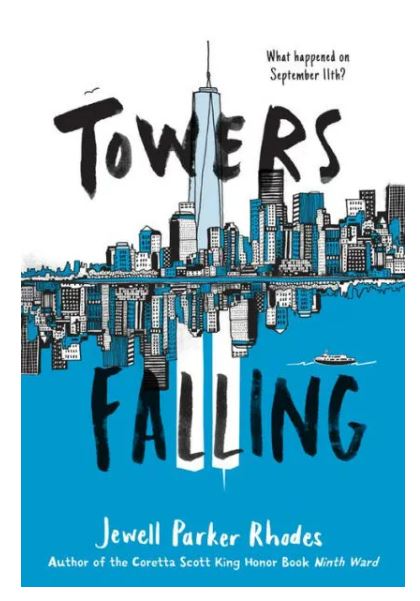
The Interplay Between The Falling Tower and The Fates
When The Falling Tower and The Fates are woven together in a narrative, they create a tapestry of inevitability and rebellion. The falling tower represents the collapse of a system or a personal world, while The Fates embody the forces that dictate this collapse. This interplay raises compelling questions: Is the tower’s fall predetermined by fate, or is it the result of human choices? Can characters defy the threads of destiny, or are they doomed to repeat the same patterns?
This dynamic is central to many mythological and literary works. For example, in Greek tragedy, characters often struggle against their fates, only to fulfill them in the most ironic ways. The falling tower, then, becomes both a cause and an effect of fate’s design. It is a physical manifestation of the inescapable, a reminder that even the most defiant individuals are subject to the grand design of destiny. Yet, it is also a catalyst for change, forcing characters to confront their limitations and grow in unexpected ways.
Why These Metaphors Resonate: Universal Themes and Timeless Appeal
The metaphors of The Falling Tower and The Fates resonate deeply because they tap into universal human experiences. Everyone has felt the weight of inevitability, whether through personal loss, societal upheaval, or the passage of time. The falling tower speaks to the fear of collapse—of systems, relationships, or even one’s own sense of self. Meanwhile, The Fates address the human desire to control our destinies, even as we grapple with the knowledge that some things are beyond our grasp.
These metaphors also offer a sense of catharsis. Watching a tower fall or witnessing characters struggle against their fates allows us to process our own fears and anxieties in a safe, symbolic space. They remind us that collapse is not always an end but can be a beginning—a chance to rebuild, rethink, and redefine ourselves. This duality of destruction and renewal is what makes these themes so enduring and relatable.
Conclusion
The Falling Tower and The Fates are more than just compelling metaphors; they are lenses through which we can examine the human experience. The falling tower challenges us to confront the fragility of our structures and the inevitability of change, while The Fates force us to reckon with the limits of our agency and the mysteries of destiny. Together, they create a narrative tapestry that is both haunting and hopeful, reminding us that even in the face of collapse, there is always the potential for renewal.
Whether you encounter these themes in literature, art, or modern storytelling, their power lies in their ability to reflect our deepest fears and aspirations. They invite us to question, to rebel, and ultimately, to find meaning in the ruins. As you explore these metaphors further, pay attention to how they manifest in the stories you encounter—you may find that the most compelling tales are those that dare to ask: What falls must rise again?
FAQ
What does The Falling Tower symbolize?
The Falling Tower symbolizes systemic collapse, personal upheaval, and the inevitability of change, representing fragility and the disruption of order.
Who are The Fates in mythology?
The Fates, from Greek mythology, are three sisters—Clotho, Lachesis, and Atropos—who control the threads of human lives, weaving destiny with themes of free will and predestination.

Leave a Reply