Short Answer
Embarking on your tarot journey can feel overwhelming at first—there are 78 unique cards, each with layers of meaning to uncover. But what if you could simplify the process, distilling the essence of every card into clear, actionable insights? This guide is designed to help you do just that. You’ll learn how to interpret each card’s upright and reversed meanings with confidence, recognize the subtle shifts in perspective they offer, and use them as tools for self-reflection and curiosity. Whether you’re a beginner or looking to refine your understanding, this resource will make tarot meanings accessible, engaging, and deeply practical.
Why Tarot Meanings Matter: A Shift in Perspective
Tarot cards are more than symbols—they act as mirrors, reflecting your inner world and external circumstances back to you in vivid detail. Each card carries a promise: a shift in perspective that can illuminate hidden truths or challenge your assumptions. For example, the Three of Cups often signals celebration and community, but in a reversed position, it may hint at gossip or overindulgence. Recognizing these shifts allows you to approach situations with greater clarity and adaptability.
Consider the Seven of Swords. Upright, it suggests cunning or strategy, but reversed, it warns against deception—either from others or within yourself. This duality isn’t just about good or bad; it’s about understanding the nuances of human behavior and motivation. By embracing these shifts, you transform tarot from a static guide into a dynamic conversation with your subconscious.
Mastering the Basics: Suits, Numbers, and Archetypes
To learn every card fast, start with the foundational elements: the four suits (Cups, Pentacles, Swords, Wands) and the Major Arcana. Each suit corresponds to an element and a facet of life:
- Cups = Emotions, relationships, intuition (Water)
- Pentacles = Money, career, material world (Earth)
- Swords = Intellect, conflict, communication (Air)
- Wands = Passion, creativity, ambition (Fire)
The numbers on the cards (Ace through 10, plus court cards) add another layer. Aces represent new beginnings, while 10s often signify completion. Court cards (Page, Knight, Queen, King) embody personality traits—useful for understanding people in your life or aspects of yourself.
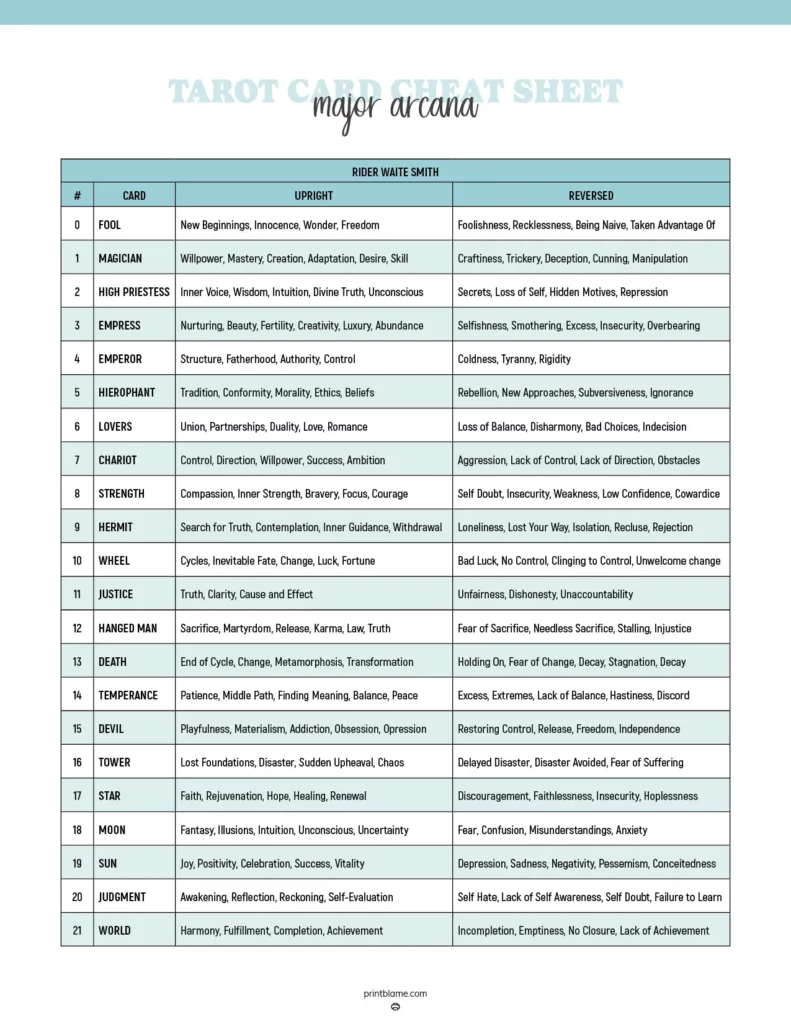
The Major Arcana, from The Fool to The World, tells a story of spiritual growth. Cards like The Lovers or Death aren’t literal; they symbolize choices, transformation, and inevitable change. By recognizing these patterns, you’ll start to see how the cards weave together to tell your story.
Upright vs. Reversed: Decoding the Hidden Layers
Reversed cards aren’t “bad”—they’re invitations to dig deeper. An upright Eight of Pentacles might mean diligent work, but reversed, it could signal burnout or perfectionism. The key is to ask: What is this card trying to tell me that I’m not seeing?
For example, the Ten of Swords upright often depicts a painful ending, but reversed, it may suggest resilience or a refusal to accept defeat. This duality encourages you to explore the gray areas of life, where growth often hides. Use reversals to uncover subconscious blocks, unspoken fears, or untapped potential.
Quick Card Breakdowns: Your Fast-Track Guide
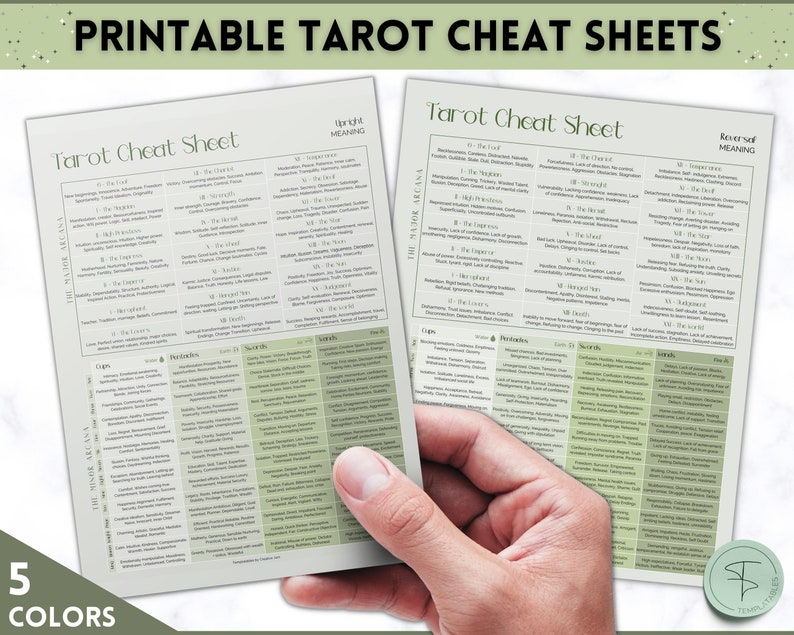
Below are concise interpretations for some of the most commonly misunderstood cards. Use these as a starting point, then trust your intuition to fill in the details.
The Fool
Upright: New beginnings, spontaneity, a leap of faith. The Fool represents potential and adventure, but also naivety. Are you taking a risk or being reckless?
Reversed: Recklessness, poor judgment, or missed opportunities. Are you ignoring warnings or refusing to grow?
The High Priestess
Upright: Intuition, mystery, hidden knowledge. She urges you to listen to your inner voice and trust your instincts.
Reversed: Ignoring intuition, secrets, or emotional suppression. Are you dismissing your gut feelings?
The Tower
Upright: Sudden change, upheaval, revelation. The Tower destroys illusions to make way for truth. Embrace the chaos—it’s necessary.
Reversed: Fear of change, delayed crises, or resisting transformation. Are you clinging to stability at all costs?
Knight of Cups
Upright: Romance, creativity, emotional messages. This knight brings inspiration but can also be overly idealistic.
Reversed: Emotional manipulation, moodiness, or unrequited love. Are you chasing fantasies instead of reality?
Practical Tips for Learning Tarot Fast
Speed up your learning with these proven strategies:
- Daily Draws: Pull one card each day and journal its meaning in your life. Over time, patterns will emerge.
- Card Pairing: Draw two cards to see how they interact. For example, The Empress + Five of Pentacles might reveal nurturing vs. lack.
- Visual Associations: Create mind maps or flashcards linking cards to colors, symbols, and keywords. For example, Swords = sharp objects = intellect.
- Reversed Focus: Spend extra time on reversed cards. Ask, “What am I avoiding?” or “What truth am I not facing?”
- Study Groups: Discuss cards with others to gain new perspectives. A reversed Two of Cups might mean imbalance in a relationship, but someone else could see it as independence.
Common Pitfalls and How to Avoid Them
Even experienced readers fall into traps. Here’s how to sidestep them:
- Over-Reliance on Guidebooks: Tarot is subjective. Use books as a foundation, but let your intuition guide you.
- Fear of Reversals: Don’t dismiss reversed cards as “negative.” They’re opportunities to explore deeper layers.
- Ignoring Card Imagery: Look closely at the symbols. A Queen of Wands holding a sunflower isn’t just “confidence”—it’s radiant, fiery energy.
- Rushing Interpretations: Pause. Breathe. Ask, “What does this card mean to me right now?”
Conclusion
Tarot is a tool for self-discovery, and mastering its meanings is about more than memorization—it’s about cultivating curiosity and openness. As you familiarize yourself with each card, you’ll start to see the world through a new lens, one where every challenge is an opportunity and every setback is a setup for growth. The promise of tarot isn’t in predicting the future; it’s in empowering you to navigate it with wisdom and insight. Keep your cheat sheets handy, trust your instincts, and let the cards guide you toward deeper understanding. The journey is yours to explore.
FAQ
What is the difference between Major and Minor Arcana cards?
Major Arcana cards represent significant life themes and spiritual lessons, while Minor Arcana cards focus on everyday events and situations, divided into four suits.
How important are reversed card meanings in tarot readings?
Reversed cards are important as they reveal hidden aspects, challenges, or internal conflicts, adding depth and nuance to the reading.
Can tarot cards be used by beginners?
Yes, with simplified guides and practice, beginners can effectively learn tarot meanings and use cards for personal insight.
Leave a Reply