Short Answer
Tired of constantly searching for tarot card meanings every time you pull a card? Whether you’re a beginner or an experienced reader, having a quick and reliable reference guide can save you time and deepen your understanding of each card’s symbolism. In this comprehensive guide, we’ll explore the best online resources for tarot meanings, how to use them effectively, and what types of content you can expect to find. By the end, you’ll have everything you need to stop endlessly Googling and start interpreting your tarot spreads with confidence.
Why Use Online Tarot Meanings Guides?
Online tarot meanings guides offer convenience and accessibility, allowing you to quickly look up card interpretations without sifting through multiple websites or books. These guides are often designed with clear layouts, visual aids, and concise explanations, making them ideal for both quick reference and in-depth study. Additionally, many online guides include keywords, imagery descriptions, and traditional meanings, helping you connect with the cards on a deeper level. Whether you’re pulling a single card for daily guidance or analyzing a complex spread, having a reliable digital reference can enhance your tarot practice.
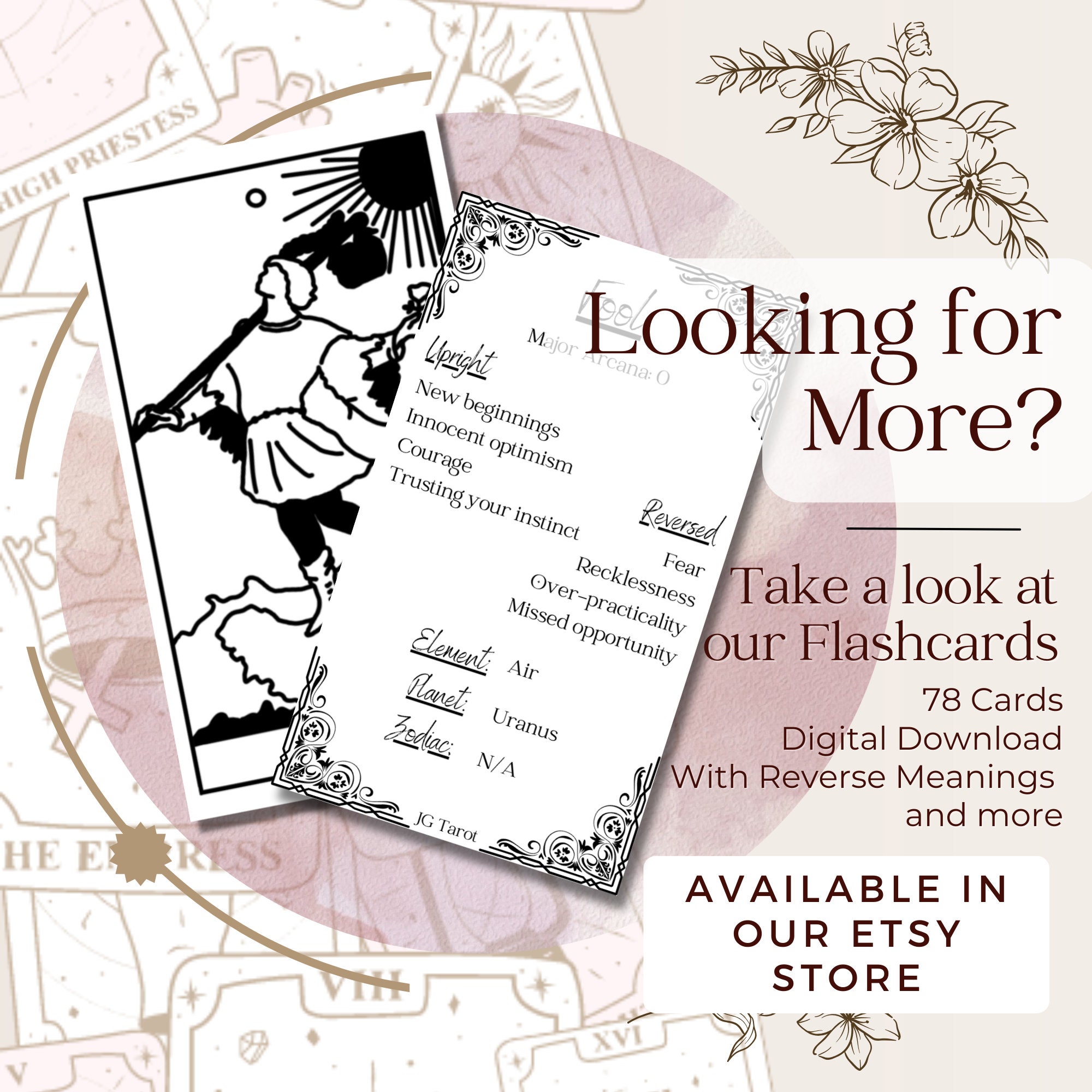
Types of Online Tarot Meanings Content
Online tarot meanings resources come in various formats, each catering to different learning styles and needs. Below are the most common types of content you’ll encounter:
1. Quick Reference Guides
These are compact, easy-to-navigate lists or charts that provide brief interpretations for each card in the Major and Minor Arcana. They often include keywords, upright and reversed meanings, and sometimes elemental associations. Quick reference guides are perfect for beginners or those who need a fast answer during a reading. Many are available as downloadable PDFs or printable posters, allowing you to keep them handy during your sessions.
2. Interactive Websites and Apps
Interactive tarot guides offer a dynamic way to explore card meanings. These platforms may include features like card search tools, daily card pulls, or even AI-powered interpretations. Some websites allow you to shuffle virtual cards and receive instant meanings, while apps often include additional tools like journaling features or community forums. Interactive guides are great for those who prefer a hands-on approach to learning tarot.
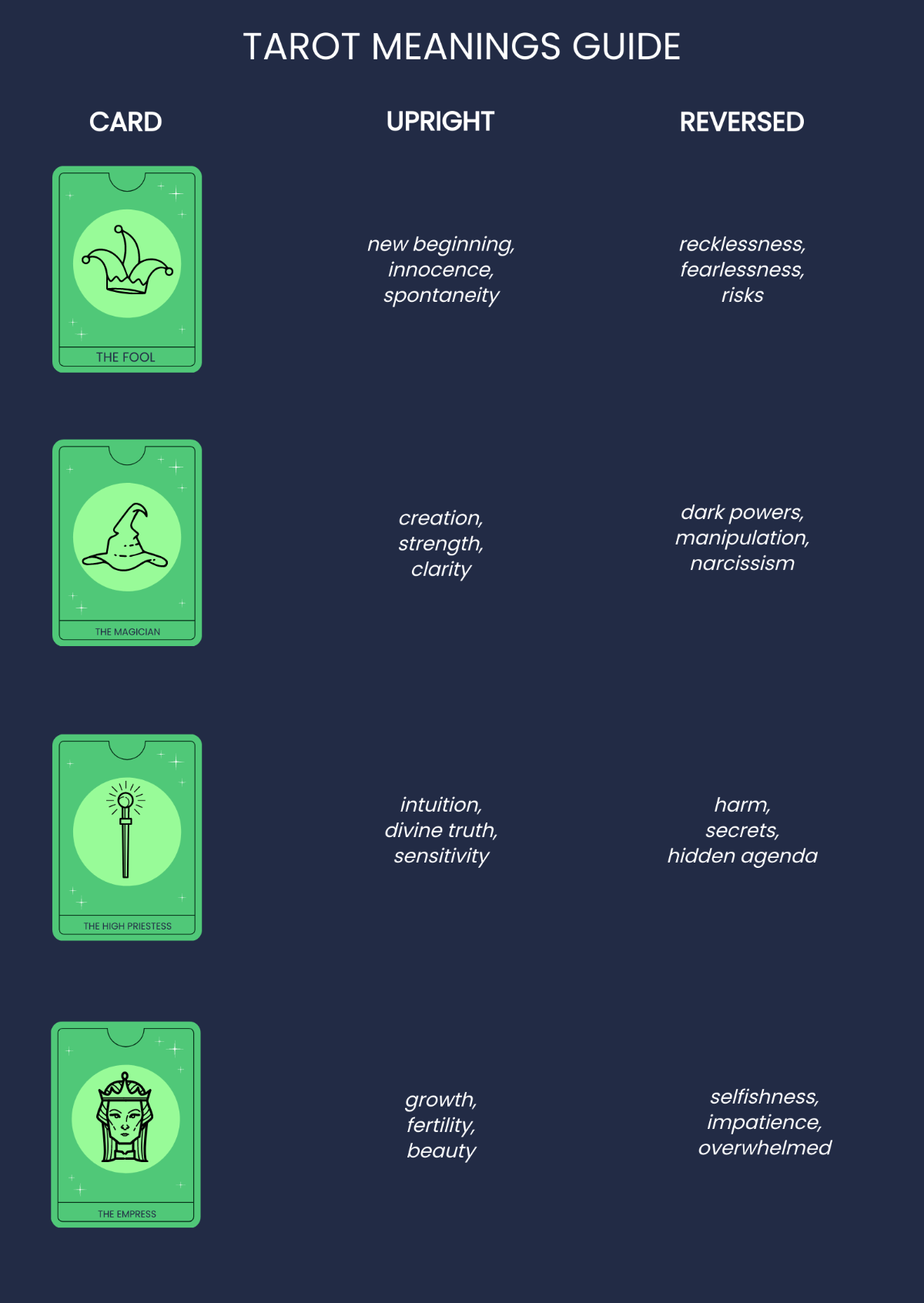
3. Printable Posters and Cheat Sheets
For visual learners, printable tarot posters and cheat sheets are invaluable. These resources often feature vibrant illustrations, color-coded sections, and organized layouts that make it easy to memorize card meanings. Some posters include the entire deck’s meanings on a single page, while others break them down by suit or card type. Printable guides are ideal for placing on your altar, workspace, or in your tarot journal for quick reference.
4. Video Tutorials and Explanations
Video content provides an auditory and visual way to learn tarot meanings. Many tarot readers and educators create YouTube videos or online courses that delve into the symbolism of each card, offering personal insights and traditional interpretations. Video guides are especially helpful for understanding the nuances of reversed cards or exploring the deeper layers of a card’s meaning. They’re also great for those who prefer learning through listening and watching.
5. Blog Posts and Articles
Detailed blog posts and articles offer in-depth explorations of tarot card meanings, often including historical context, astrological connections, and practical advice for readings. These resources can help you move beyond basic interpretations and develop a more nuanced understanding of the cards. Many tarot blogs also feature seasonal or thematic spreads, making them a valuable tool for expanding your practice.
How to Choose the Right Online Tarot Guide
With so many options available, selecting the right tarot guide can feel overwhelming. Here are some key factors to consider when choosing an online resource:
- Accuracy and Reliability: Look for guides created by experienced tarot readers or reputable sources. Check reviews or testimonials to ensure the content is trustworthy.
- Format and Usability: Consider whether you prefer a downloadable PDF, an interactive website, or a mobile app. Choose a format that fits your lifestyle and reading habits.
- Depth of Information: Some guides provide only basic meanings, while others include advanced interpretations, astrological correspondences, or shadow work prompts. Decide what level of detail you need.
- Visual Appeal: Since tarot is a visual practice, opt for guides with high-quality imagery and clear layouts. This makes it easier to connect with the cards’ symbolism.
- Cost: Many online tarot guides are free, but some premium resources offer additional features or exclusive content. Determine your budget and what you’re willing to invest.
Tips for Using Online Tarot Guides Effectively
Once you’ve chosen your preferred guide, here are some tips to maximize its usefulness:
- Create a Personal Reference Library: Combine multiple guides to create a well-rounded resource. For example, use a quick reference guide for speed and a blog post for deeper insights.
- Take Notes: Keep a tarot journal where you record your interpretations of each card. Over time, you’ll develop your own unique understanding of the cards.
- Practice Regularly: Use your guide to analyze cards pulled during your daily practice. The more you engage with the meanings, the more intuitive your readings will become.
- Explore Reversed Meanings: Many guides include upright and reversed interpretations. Pay attention to how reversed cards differ from their upright counterparts, as this adds depth to your readings.
- Cross-Reference Sources: Compare interpretations from different guides to gain a broader perspective. This can help you identify patterns and themes in the cards’ meanings.
Where to Find High-Quality Online Tarot Guides
Here are some of the best places to find reliable and comprehensive tarot meanings online:
- Etsy: A marketplace for digital downloads, Etsy offers a wide variety of printable tarot guides, posters, and cheat sheets created by independent artists and tarot readers.
- Pinterest: A treasure trove of free printable tarot guides, infographics, and visual aids. Many tarot enthusiasts share their creations here.
- YouTube: Search for tarot readers who offer video explanations of card meanings. Channels like “The Quietest Revolution” or “White Rose Guidance” are popular choices.
- Tarot Websites: Sites like Biddy Tarot, Labyrinthos, and Tarot.com provide detailed guides, interactive tools, and articles on tarot meanings.
- Mobile Apps: Apps like Labyrinthos, Golden Thread Tarot, or Tarotica offer portable tarot guides with additional features like card shuffling and journaling.

Conclusion
Stopping the endless cycle of Googling tarot card meanings starts with finding the right online resources. Whether you prefer quick reference guides, interactive apps, printable posters, or in-depth articles, there’s a wealth of information available to support your tarot practice. By choosing high-quality guides, taking notes, and practicing regularly, you’ll develop a deeper connection to the cards and gain confidence in your interpretations. Embrace the convenience of digital tarot guides and let them enhance your readings, allowing you to focus more on intuition and less on searching for answers. With the right tools at your fingertips, you’ll be well on your way to mastering the art of tarot.
FAQ
What are online tarot meanings guides?
Online tarot meanings guides are resources that provide interpretations and insights for tarot cards, often designed for convenience and quick reference.
How can I effectively use online tarot guides?
To use online tarot guides effectively, create a personal reference library, take notes, practice regularly, and explore different interpretations.
Leave a Reply