Short Answer
Welcome to your comprehensive guide on Tarot Pictures and Meanings. Here, you’ll discover everything you need to understand the symbolism, interpretations, and visual representations of every Tarot card. Whether you’re a beginner exploring the mystical world of Tarot or an experienced reader seeking deeper insights, this guide will provide you with detailed imagery, explanations, and practical knowledge to enhance your Tarot practice. From the Major Arcana to the Minor Arcana suits, we’ll cover the key aspects of each card, their traditional meanings, and how to interpret them in readings. By the end, you’ll have a solid foundation to confidently read Tarot cards using their visual cues and symbolic language.
Understanding Tarot Cards and Their Visual Language
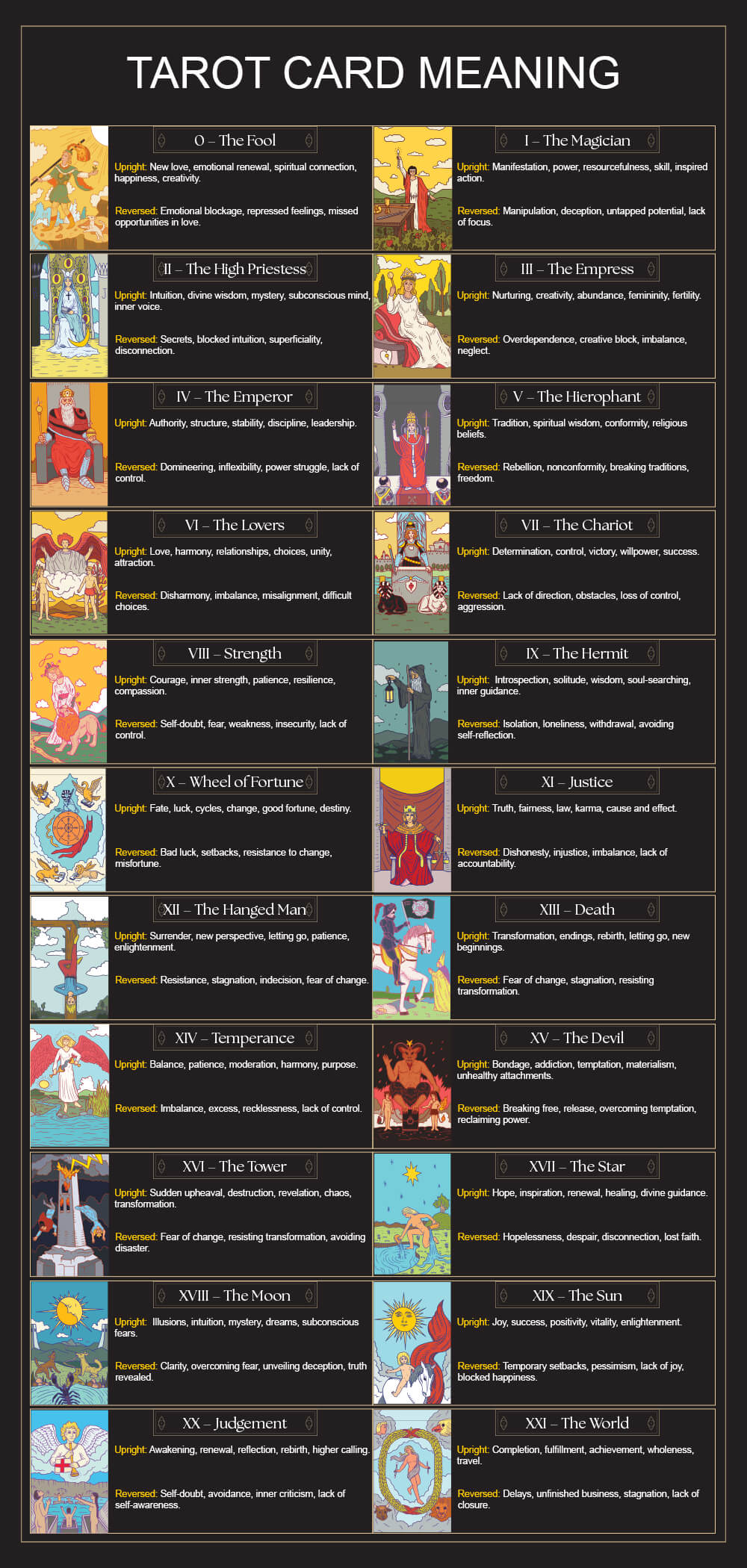
Tarot cards are more than just illustrations—they are a visual language that conveys deep spiritual, psychological, and archetypal messages. Each card in the Tarot deck is rich with symbolism, colors, and imagery that reflect universal themes and human experiences. The visual elements of a Tarot card, such as the characters, objects, and settings, are carefully chosen to evoke specific emotions and insights. For example, the Fool card often depicts a carefree figure stepping off a cliff, symbolizing new beginnings and spontaneity, while the Death card shows a skeletal figure on horseback, representing transformation and endings. By learning to interpret these visual cues, you can unlock the deeper meanings behind each card and apply them to your readings.
The Major Arcana: Archetypal Journeys and Life Lessons
The Major Arcana consists of 22 cards that represent significant life events, spiritual lessons, and archetypal energies. These cards are often seen as the “story” of the Tarot deck, guiding you through a journey of self-discovery and growth. Each Major Arcana card has a distinct image and meaning, such as The Magician, which symbolizes manifestation and resourcefulness, or The High Priestess, representing intuition and hidden knowledge. When these cards appear in a reading, they often indicate major themes or turning points in your life. Understanding the Major Arcana is essential for grasping the overarching narrative of a Tarot spread and interpreting the deeper messages it conveys.
Exploring the Minor Arcana: Everyday Experiences and Challenges
The Minor Arcana consists of 56 cards divided into four suits: Cups, Pentacles, Swords, and Wands. Each suit corresponds to a different aspect of life—emotions, finances, intellect, and creativity—and contains numbered cards from Ace to Ten, plus four court cards (Page, Knight, Queen, King). Unlike the Major Arcana, the Minor Arcana focuses on everyday experiences, challenges, and opportunities. For example, the Ace of Cups represents new emotional beginnings, while the Ten of Swords signifies an ending or betrayal. By studying the Minor Arcana, you’ll gain insights into the practical and mundane aspects of life, allowing you to navigate challenges and seize opportunities with clarity and confidence.
Court Cards: Personalities and Influences in Your Life
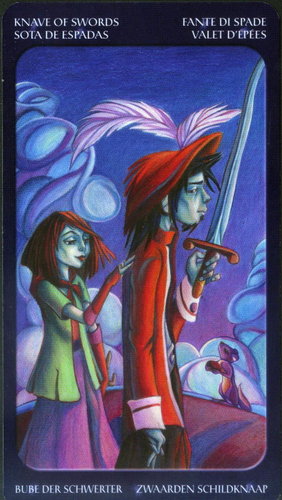
The court cards in the Minor Arcana—Page, Knight, Queen, and King—represent people, personalities, or energies that influence your life. Each court card is associated with one of the four suits and embodies specific traits and characteristics. For instance, the Queen of Wands symbolizes confidence and charisma, while the Knight of Cups represents emotional idealism and romance. Court cards can also reflect aspects of yourself or situations you’re facing. When interpreting court cards in a reading, consider their suit, rank, and the surrounding cards to understand their role in your life. Whether they represent a person in your life or an energy you need to embody, court cards add depth and nuance to your Tarot readings.

Interpreting Tarot Card Imagery: Symbols and Their Meanings
Tarot card imagery is filled with symbols that carry universal meanings and cultural references. These symbols can include animals, plants, objects, colors, and gestures, each contributing to the card’s overall message. For example, roses often symbolize love and beauty, while swords represent conflict and intellect. Animals like lions or owls may signify strength, wisdom, or hidden knowledge. Colors also play a crucial role; red can indicate passion or anger, while blue may represent calmness or spirituality. By familiarizing yourself with these symbols, you can decode the deeper layers of meaning in each card and enhance your ability to interpret Tarot imagery accurately. Pay attention to the details in the artwork, as they often hold clues to the card’s significance.
How to Use Tarot Pictures for Self-Reflection and Readings
Tarot pictures are powerful tools for self-reflection and intuitive guidance. One effective way to use them is through meditation or visualization exercises. Spend time studying a card’s imagery, then close your eyes and allow your mind to absorb its energy. Ask yourself what emotions or thoughts the card evokes, and how it relates to your current situation. You can also use Tarot pictures as focal points during readings, pulling cards and interpreting their meanings based on their visual cues. Another approach is to create a Tarot journal where you sketch or describe the imagery of each card, noting your personal interpretations and insights. Over time, this practice will deepen your connection to the cards and sharpen your intuitive abilities.
Common Misconceptions About Tarot Card Meanings
There are several misconceptions about Tarot card meanings that can lead to confusion or misinterpretation. One common myth is that Tarot cards predict the future with absolute certainty. While Tarot can offer guidance and insights, it’s not a tool for fortune-telling. Instead, it reflects potential outcomes based on current energies and choices. Another misconception is that certain cards always have negative meanings. For example, the Death card is often misunderstood as a harbinger of doom, when in reality, it symbolizes transformation and rebirth. It’s important to approach Tarot with an open mind and avoid rigid interpretations. Each card’s meaning can vary depending on its position in a spread, the surrounding cards, and the reader’s intuition.
Choosing the Right Tarot Deck for Your Practice
With countless Tarot decks available, choosing the right one can be overwhelming. The most important factor is your personal connection to the imagery and symbolism. Some decks, like the Rider-Waite-Smith, are classic and widely used, making them ideal for beginners. Others, such as the Thoth Tarot or the Wild Unknown, offer unique artistic styles and interpretations that may resonate more with your intuition. Consider the themes and aesthetics that appeal to you, as well as the deck’s guidebook for explanations. You might also explore different decks by visiting a store or viewing images online to see which resonates with you. Remember, the best Tarot deck is the one that speaks to your soul and enhances your readings.

Conclusion
Tarot Pictures and Meanings offer a gateway to deeper self-awareness, intuitive guidance, and spiritual growth. By understanding the symbolism, imagery, and interpretations of each card, you can unlock the wisdom of the Tarot and apply it to your life. Whether you’re drawn to the archetypal journeys of the Major Arcana or the everyday lessons of the Minor Arcana, the visual language of Tarot provides a rich and meaningful framework for exploration. As you continue your Tarot practice, remember that the cards are a mirror to your inner world, reflecting your thoughts, emotions, and potential paths forward. With patience, curiosity, and an open heart, you’ll develop a profound connection to the Tarot and its timeless wisdom.
FAQ
What are the Major Arcana cards in Tarot?
The Major Arcana consists of 22 cards that represent significant life events and spiritual lessons, such as The Fool, The Magician, and The High Priestess.
How do I interpret Tarot card imagery?
Interpreting Tarot card imagery involves understanding the symbols, colors, and characters depicted on the cards, each carrying unique meanings.
Leave a Reply