Short Answer
Welcome to a deep exploration of love tarot readings—where ancient symbolism meets modern emotions. In this guide, you’ll uncover what love tarot readings truly represent, whether they hold real meaning, and why they resonate so deeply with people seeking guidance in matters of the heart. You’ll learn about the psychological comfort they provide, the cultural fascination behind them, and how to approach them with a balanced perspective. By the end, you’ll have a clearer understanding of how tarot can serve as a mirror to your inner world, offering insights without definitive answers.
The Allure of Love Tarot Readings: Why Do People Turn to Them?
Love tarot readings have captivated hearts for centuries, blending mysticism with emotional vulnerability. At first glance, they seem to offer a glimpse into the future—a way to predict whether a relationship will flourish or fade. But their appeal goes deeper than mere fortune-telling. For many, tarot cards act as a psychological tool, helping individuals articulate feelings they struggle to express otherwise. The act of drawing cards and interpreting their meanings can feel like a conversation with one’s subconscious, revealing hidden anxieties, desires, or unresolved conflicts.

Culturally, tarot has been romanticized in literature, film, and social media, often portrayed as a mystical gateway to love’s secrets. This portrayal fuels fascination, making tarot readings feel like a bridge between the mundane and the magical. Yet, the real magic may lie not in the cards themselves, but in the human tendency to seek patterns and meaning in chaos—a trait psychologists call apophenia. When we’re emotionally invested in love, our brains are wired to find connections, even where none may objectively exist.

Do Love Tarot Readings Have Real Meaning, or Are They Just Comfort?
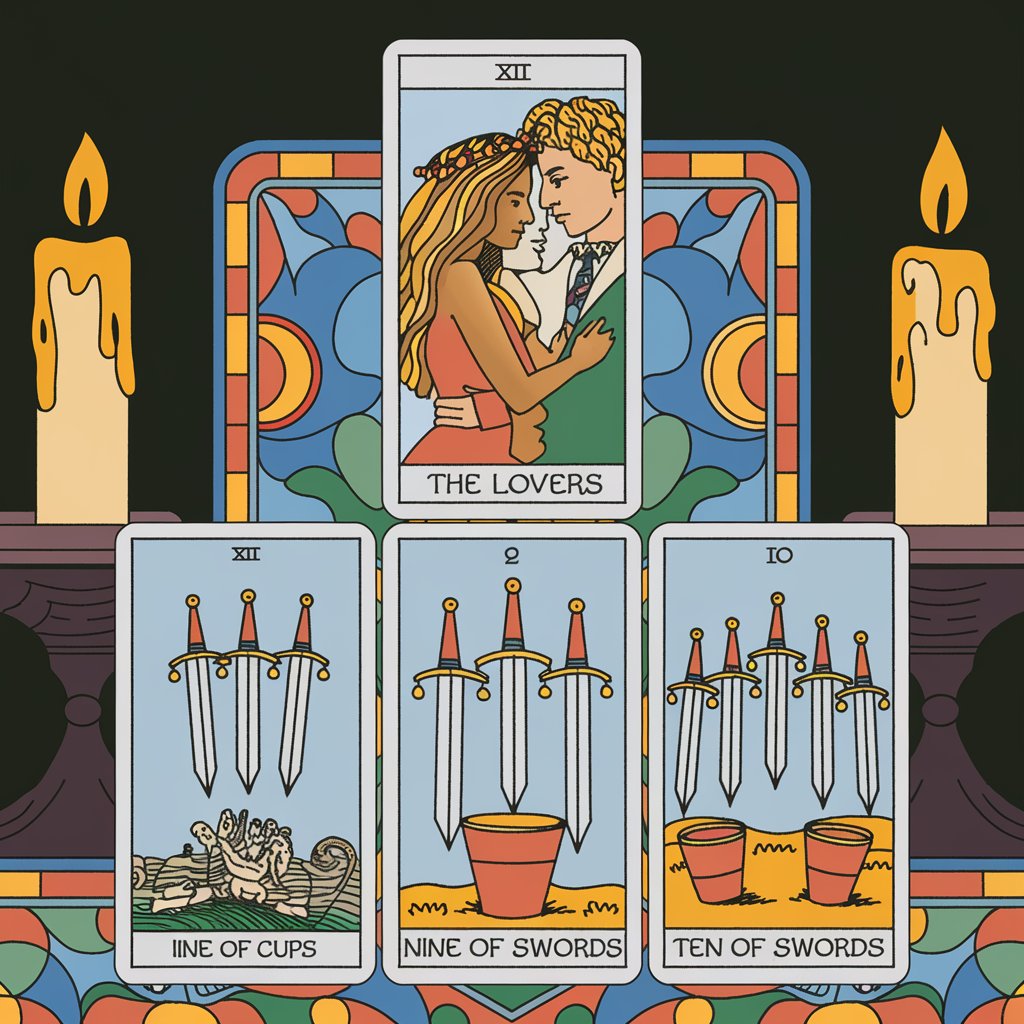
The question of whether love tarot readings hold real meaning is complex. From a spiritual perspective, many believe tarot acts as a conduit for divine or intuitive guidance, offering symbolic messages that resonate on a personal level. The cards’ imagery—such as The Lovers, The Two of Cups, or The Ten of Swords—can evoke emotions and memories tied to love, making the reading feel profoundly personal and significant.
On the other hand, skeptics argue that tarot readings are a form of cold reading or confirmation bias. Cold reading involves making vague statements that seem specific, while confirmation bias leads individuals to remember the “hits” (accurate predictions) and forget the “misses.” For example, a reading might highlight a card like The Three of Cups (celebration) and later, when a relationship joy occurs, the reader attributes it to the card’s influence. This doesn’t mean the reading lacked value—it simply means the interpretation was shaped by the reader’s and querent’s expectations.
Neuroscience offers another lens: the placebo effect. When people believe a tarot reading holds truth, their brains may release dopamine, creating a sense of hope or relief. This biochemical response can temporarily ease anxiety, making the reading feel validating. However, it’s crucial to distinguish between emotional comfort and factual prediction. Tarot doesn’t predict the future; it reflects the present moment and the querent’s inner landscape.
The Psychological Comfort of Tarot: A Safe Space for Emotional Exploration
One of the most powerful aspects of love tarot readings is their ability to provide a structured way to explore emotions. In a world where love can feel messy and unpredictable, tarot offers a framework to organize thoughts and feelings. The cards act as prompts, guiding the querent to reflect on their relationships, fears, and desires. For instance, drawing The Tower might prompt someone to consider whether a relationship is built on shaky foundations, while The Star could inspire hope for healing and renewal.
This process can be therapeutic, especially for those who struggle to articulate their emotions verbally. The imagery of the cards bypasses the logical mind, accessing the subconscious where deeper truths reside. It’s not uncommon for people to gain sudden clarity during a reading, realizing patterns they hadn’t noticed before. This cathartic effect is why many turn to tarot during breakups, new relationships, or periods of romantic uncertainty.
Common Misconceptions About Love Tarot Readings
Despite their popularity, love tarot readings are often misunderstood. One common misconception is that the cards can definitively predict the future of a relationship. In reality, tarot offers insights based on current energies and potential paths—not fixed outcomes. A reading might suggest that a relationship is headed toward harmony, but it doesn’t account for the free will of those involved. Relationships are dynamic, shaped by daily choices, communication, and external circumstances.
Another misconception is that tarot readings are solely for those in romantic relationships. In truth, love tarot can also explore self-love, familial bonds, or even unrequited feelings. The cards don’t discriminate; they reflect the energy of the question posed. For example, drawing The Hermit might indicate a need for solitude to reflect on one’s own emotional needs, while The Six of Pentacles could suggest an imbalance in giving and receiving love.
A third myth is that tarot readings are only for the “gifted” or “psychic.” While some readers may have intuitive abilities, tarot is ultimately a tool that anyone can learn to use. The key lies in interpretation—understanding the traditional meanings of the cards while also trusting one’s own intuition. A beginner might focus on the literal imagery, while an experienced reader might weave in numerology, astrology, or personal symbolism.
How to Approach Love Tarot Readings with a Balanced Mindset
To get the most out of a love tarot reading, approach it with curiosity rather than certainty. Start by formulating a clear question—avoid vague queries like “Will I find love?” Instead, try “What do I need to focus on to attract a healthy relationship?” This specificity helps the reading stay grounded in actionable insights. It’s also helpful to view the reading as a conversation rather than a prophecy. The cards are a starting point for reflection, not a final verdict.
Consider keeping a tarot journal to track your readings over time. Note the cards drawn, your initial interpretations, and how the insights played out in your life. Over months or years, you may notice recurring themes or symbols that offer deeper understanding. This practice also helps distinguish between patterns that resonate and those that don’t, refining your ability to interpret the cards accurately.
Lastly, remember that tarot is not a substitute for professional advice, especially in matters of mental health or abusive relationships. While it can provide emotional clarity, it shouldn’t replace therapy, legal counsel, or open communication with a partner. Use tarot as a supplement to self-awareness, not a crutch for decision-making.
Conclusion: The Real Value of Love Tarot Readings
Love tarot readings may not reveal the future, but they offer something far more valuable: a mirror to the soul. They provide a structured way to explore emotions, confront fears, and envision possibilities. Whether you see them as a spiritual tool, a psychological exercise, or simply a comforting ritual, their power lies in their ability to help you connect with your inner wisdom.
The fascination with love tarot readings stems from a universal human need—to understand, to hope, and to find meaning in the unpredictable journey of love. While the cards themselves are static, their interpretations are fluid, shaped by the reader’s perspective and the querent’s life. In this way, tarot becomes a collaborative art, blending intuition with introspection to create a personalized experience.
Ultimately, the question isn’t whether love tarot readings are “real” in a predictive sense, but whether they serve you. If they bring clarity, comfort, or a renewed sense of agency in your love life, then their value is undeniable. Approach them with an open heart and a discerning mind, and you may find that the greatest magic of tarot isn’t in the cards—it’s in the insights they help you uncover within yourself.
FAQ
What is a love tarot reading?
A love tarot reading is a type of tarot reading that focuses on matters of the heart, exploring insights and interpretations related to romantic relationships and emotional well-being.
Can tarot readings predict the future?
No, tarot readings do not predict the future; they offer insights into the present moment and potential paths based on current energies.
How should I prepare for a love tarot reading?
Formulate a clear question about your love life, approach the reading with curiosity, and consider keeping a tarot journal to track your insights over time.
Leave a Reply