Short Answer
Embarking on a journey into the world of tarot spreads is like stepping into a labyrinth of symbols, where each card whispers secrets of the past, present, and future. Whether you’re a seasoned reader or a curious beginner, understanding the intricate language of tarot layouts can unlock profound insights and guide you through life’s most perplexing questions. This guide will illuminate the art of reading any tarot spread, revealing how to interpret positions, weave narratives from the cards, and harness the unique energy of each layout. By the end, you’ll see tarot not just as a tool, but as a living dialogue between intuition and mystery.
The Sacred Geometry of Tarot Spreads: Why Layouts Matter
At the heart of tarot reading lies the spread—a carefully designed map that channels the flow of energy between the querent (the seeker) and the universe. Each position in a spread acts as a lens, focusing the light of the cards onto specific aspects of a question or situation. The Celtic Cross, for instance, is a sprawling, eight-card layout that mirrors the cyclical nature of life itself, with its central cross symbolizing the core issue and the surrounding cards representing influences, challenges, and potential outcomes. Meanwhile, a simple three-card spread—past, present, future—is like a haiku of time, distilling complex narratives into three potent moments. The magic of tarot spreads lies in their ability to transform abstract questions into tangible, visual stories, where each card’s placement breathes life into the narrative.

Decoding the Language of Positions: How to Interpret Each Card’s Role
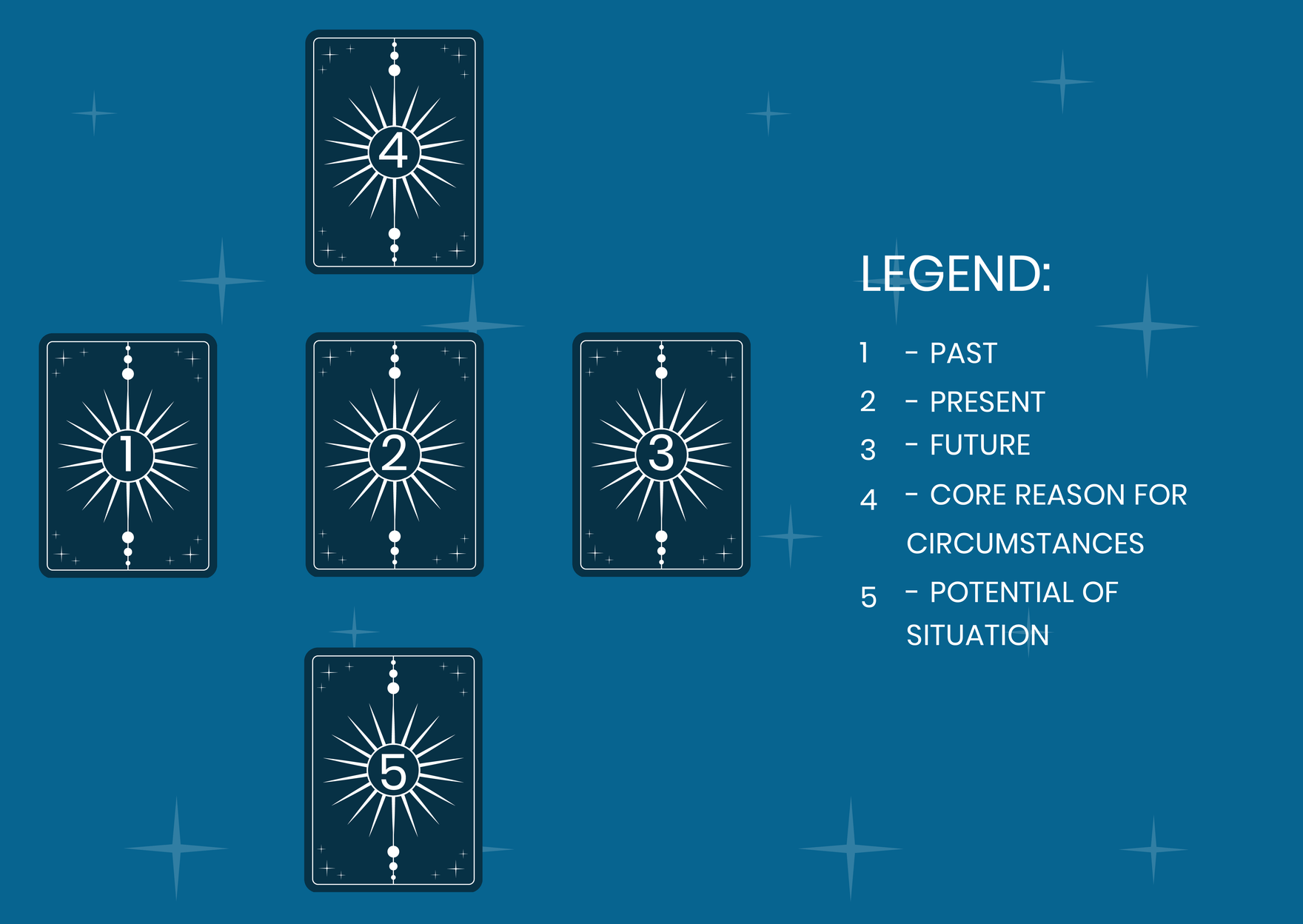
Every tarot spread is a language unto itself, and the positions are its grammar. The first step in reading a spread is to familiarize yourself with the traditional meanings of each slot. For example, in a five-card spread for career guidance, the first card might represent your current professional path, while the second could symbolize obstacles or hidden talents. The third card might reveal external influences, such as colleagues or market trends, and the fourth could point to your subconscious desires or fears. The fifth card, often the outcome, acts as a beacon, illuminating the path forward. But tarot is not rigid—positions can be fluid. A card in the “past” position might also hint at unresolved issues, while a “future” card could reflect a lesson yet to be learned. The key is to listen to the cards as they speak through their placement, allowing their stories to unfold organically.
The Art of Narrative: Weaving a Story from the Cards
Reading a tarot spread is akin to being a storyteller, where the cards are the characters, and their positions are the plot points. To craft a compelling narrative, start by examining the cards individually, noting their symbols, colors, and elemental associations. Then, observe how they interact with one another. A tower card in the “challenge” position might seem ominous, but if the “outcome” card is the star, it could signify a transformative breakthrough. Similarly, a cluster of cups in the “emotions” section of a relationship spread might suggest deep emotional currents, while a sword card nearby could indicate a need for clear communication. The magic happens when you blend intuition with structure, letting the cards guide you through their interconnected tales. Remember, there are no wrong interpretations—only those that resonate more deeply with the querent’s truth.
Beyond the Basics: Advanced Techniques for Seasoned Readers
Once you’ve mastered the fundamentals, tarot spreads can become playgrounds for deeper exploration. One advanced technique is to use reversals—cards drawn upside down—to reveal blocked energy or hidden truths. For instance, the reversed eight of pentacles in a career spread might suggest burnout or a lack of fulfillment in your work. Another method is to combine spreads, layering multiple layouts to create a multi-dimensional reading. You might start with a three-card spread for a quick insight, then expand into a Celtic Cross for a broader perspective. Additionally, consider the querent’s energy when selecting a spread. A spread with more positions might overwhelm a beginner, while a seasoned reader could thrive with a complex, twelve-card layout. The tarot is a living entity, and your approach should evolve with your intuition and the seeker’s needs.
Choosing the Right Spread: Matching Layouts to Life’s Questions
The perfect tarot spread is like a key that unlocks the door to a specific room in the house of your life. For a simple yes/no question, a one-card draw might suffice, while a complex life decision could benefit from a seven-card spread that explores different facets of the issue. Need guidance on love? A relationship spread with positions for each partner’s feelings, challenges, and potential outcomes can provide clarity. Facing a career crossroads? A spread that examines your strengths, fears, and external opportunities might illuminate the path. The key is to tailor the spread to the question, ensuring that each position serves a purpose. Don’t be afraid to create your own layouts—tarot is as much about innovation as it is about tradition. The most powerful spreads are those that resonate with both the reader and the querent, forging a connection that transcends the cards themselves.
Common Pitfalls and How to Avoid Them
Even the most experienced tarot readers can stumble into traps that cloud their interpretations. One common mistake is over-reliance on guidebooks, which can strip the reading of its intuitive essence. While traditional meanings are valuable, they should serve as a foundation, not a cage. Another pitfall is ignoring the querent’s energy—if they’re distracted or closed off, the cards may reflect that rather than the question at hand. To avoid this, take a moment to ground yourself and the querent before beginning the reading. Additionally, beware of confirmation bias, where you unconsciously shape the interpretation to fit your expectations. Stay open to the cards’ messages, even if they challenge your assumptions. Finally, remember that tarot is a tool for insight, not a crystal ball. The future is not set in stone, and the cards are merely signposts pointing toward potential paths.
Conclusion: The Tarot Spread as a Mirror of the Soul
Tarot spreads are more than just arrangements of cards—they are sacred contracts between the reader, the querent, and the universe. Each layout is a unique language, a dance of symbols that reveals the hidden threads of our lives. Whether you’re drawn to the simplicity of a three-card spread or the complexity of the Celtic Cross, the key is to approach each reading with curiosity, respect, and an open heart. Let the cards be your guides, but never your masters. Trust in your intuition, and remember that the most profound readings are those that leave room for mystery, growth, and transformation. As you continue to explore the art of tarot spreads, you’ll find that the true magic lies not in predicting the future, but in uncovering the wisdom that already resides within you.
FAQ
What is a tarot spread?
A tarot spread is the specific layout or arrangement of tarot cards during a reading, where each position has a particular meaning that influences the interpretation of the cards.
How do I interpret the positions in a tarot spread?
Each position in a tarot spread represents an aspect of the question or situation, such as past influences, current challenges, or potential outcomes. Understanding these roles helps weave the story the cards tell.
Can I use multiple tarot spreads in one reading?
Yes, advanced readers often combine multiple spreads to gain layered insights, starting with simpler layouts and expanding to more complex ones for a comprehensive view.
What are common mistakes when reading tarot spreads?
Common mistakes include over-reliance on guidebooks, ignoring the querent’s energy, confirmation bias, and treating tarot as a fixed prediction rather than a tool for insight.
How do I choose the right tarot spread for my question?
Choose a spread that fits the complexity of your question and your experience level, such as a one-card draw for yes/no questions or a Celtic Cross for in-depth analysis.
Leave a Reply