Short Answer
In this comprehensive guide, you’ll uncover the hidden layers of tarot symbolism that artists embed into their decks. Beyond the surface-level meanings of each card, you’ll discover how historical, cultural, and personal elements converge to create a language of symbols that resonate deeply with seekers. Whether you’re a seasoned tarot reader or a curious beginner, understanding these concealed messages will transform your interpretation of the cards and reveal why tarot continues to captivate minds across centuries.
The Power of Symbolism in Tarot: Why It Matters
Tarot decks are not merely tools for divination; they are visual encyclopedias of human experience, encoded with symbols that transcend time and culture. Each card in a tarot deck is a microcosm of archetypal energy, drawing from mythology, religion, astrology, and psychology. The artist’s role is to distill these complex ideas into a single image, using color, composition, and iconography to convey layers of meaning. For instance, the High Priestess card often features a crescent moon, a veil, and a book—each element hinting at intuition, hidden knowledge, and the subconscious. These symbols act as bridges between the conscious and unconscious mind, making tarot a powerful tool for self-reflection and spiritual exploration.
Historical Symbolism: Tracing the Roots of Modern Tarot
The tarot’s symbolic language is deeply rooted in history, with many of its images borrowed from Renaissance-era art, alchemical texts, and medieval iconography. The Major Arcana cards, in particular, reflect this heritage. For example, The Fool card, often depicted as a carefree traveler with a small bag and a loyal dog, mirrors the archetype of the “everyman” found in medieval morality plays. Similarly, The Tower card, with its lightning-struck structure and falling figures, draws inspiration from biblical stories of divine punishment. By understanding these historical references, you gain insight into why certain symbols recur across decks—because they tap into universal human experiences that have remained unchanged for centuries.
Astrological and Alchemical Influences in Tarot Imagery
Many tarot decks incorporate astrological and alchemical symbols to add depth to their narratives. The Rider-Waite-Smith deck, for instance, associates each Major Arcana card with a zodiac sign or planet. The Empress card is linked to Venus, symbolizing love and fertility, while The Emperor corresponds to Aries, representing authority and structure. Alchemical imagery is also prevalent, especially in older decks like the Marseille Tarot. The Wheel of Fortune card, for example, often includes symbols of transformation, such as the Ouroboros (a serpent eating its own tail), which represents the cyclical nature of life and the alchemical process of rebirth. These layers of symbolism invite readers to explore not just the card’s immediate meaning but also its connections to cosmic and spiritual forces.
The Role of Color and Composition in Hidden Meanings
Artists use color and composition to amplify the symbolic weight of tarot cards. A card dominated by reds and oranges, like The Chariot, might evoke themes of passion, determination, and conflict, while cooler tones in The Moon card could suggest illusion, mystery, and the subconscious. Composition plays a crucial role as well. In The Lovers card, the positioning of the figures—often a man, a woman, and an angel—can imply choices, relationships, or spiritual guidance. Even the background elements, such as landscapes or architectural details, contribute to the card’s narrative. For example, a card set in a lush garden might symbolize growth and abundance, while a barren wasteland could represent isolation or spiritual drought. By analyzing these visual cues, you can uncover nuanced interpretations that go beyond traditional guidebook meanings.
Cultural and Personal Symbolism: Why Every Deck Tells a Different Story
While traditional tarot decks like Rider-Waite-Smith follow a standardized symbolism, modern decks often reinterpret these images through a cultural or personal lens. For instance, the Wild Unknown Tarot incorporates minimalist, nature-based imagery, using animals and natural elements to convey its messages. In contrast, decks like the African American Tarot reimagine the cards with Black protagonists and symbols drawn from African diasporic traditions. These variations highlight how tarot is not a static system but a living, evolving art form that adapts to the beliefs and experiences of its creators and users. Personal symbolism also plays a role—artists may embed hidden messages or inside jokes into their decks, making each one a unique reflection of its creator’s journey. This flexibility is part of what makes tarot so endlessly fascinating.
Common Observations: Why Certain Symbols Feel Universally Familiar
One of the most intriguing aspects of tarot symbolism is how certain images evoke an immediate, almost instinctive response across cultures and time periods. Why does a snake in The Devil card universally symbolize temptation or bondage? Why does a rose in The Magician card often represent hidden knowledge? These symbols resonate because they tap into collective unconscious archetypes, a concept explored by psychologist Carl Jung. Jung believed that certain images and themes are hardwired into the human psyche, appearing in myths, dreams, and art across civilizations. This explains why tarot feels so deeply personal yet universally relatable—it speaks to shared human experiences like love, fear, power, and transformation. Artists leverage these archetypes to create cards that feel intuitively familiar, even to those new to tarot.
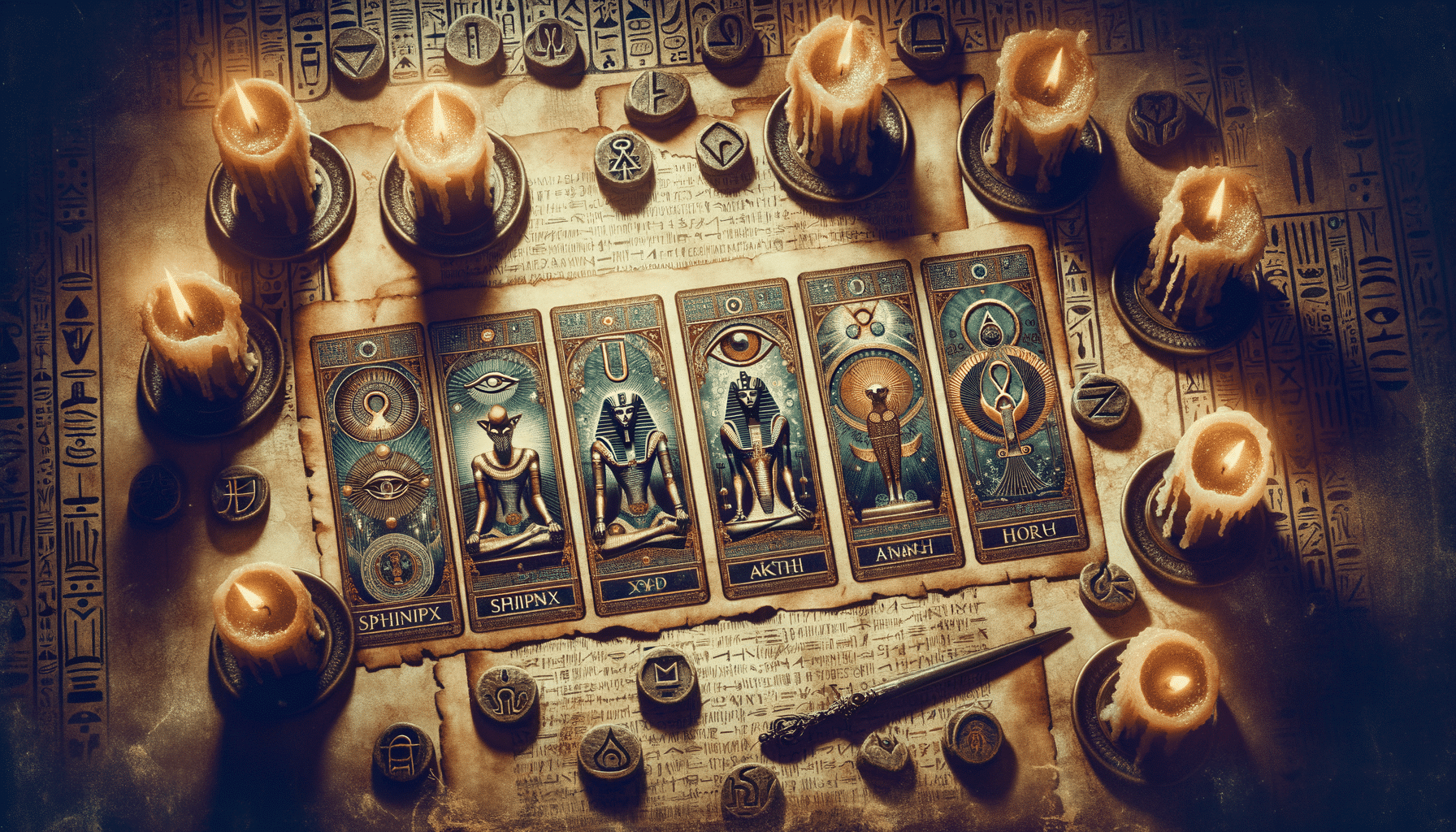
This image juxtaposes historical tarot imagery with modern interpretations, highlighting how symbols evolve while retaining their core meanings. The presence of classical figures like angels and mythological creatures alongside contemporary designs underscores the timelessness of tarot’s symbolic language.
How to Decode Symbolism in Your Own Readings
Deciphering tarot symbolism is both an art and a practice. Start by studying the traditional meanings of each card, then observe how the artist has interpreted those themes. Ask yourself: What colors dominate the card? What objects or figures are included, and what do they represent? How does the composition guide your eye? For example, in The Hermit card, the lantern often contains a six-pointed star (the Seal of Solomon), symbolizing divine wisdom. The staff the Hermit holds may represent guidance or a spiritual journey. By breaking down these elements, you can uncover layers of meaning that enrich your readings. Keep a journal of your observations to track patterns and deepen your understanding over time.
Conclusion
Tarot symbolism is a gateway to deeper self-awareness and spiritual exploration, offering a visual language that speaks to the soul. By peeling back the layers of history, culture, and personal expression embedded in each card, you unlock a richer, more nuanced understanding of tarot’s power. Whether you’re drawn to the astrological connections, the alchemical hints, or the psychological archetypes, these symbols serve as mirrors reflecting your own journey. The next time you draw a card, look beyond the obvious—what hidden messages is the artist trying to convey? In doing so, you’ll not only enhance your tarot practice but also connect more deeply with the timeless wisdom that tarot embodies.
FAQ
What does the High Priestess card symbolize?
The High Priestess card symbolizes intuition, hidden knowledge, and the subconscious, often depicted with a crescent moon and a veil.
How do historical elements influence tarot symbolism?
Historical elements influence tarot symbolism by incorporating imagery from Renaissance art, alchemical texts, and medieval iconography, reflecting universal human experiences.
Leave a Reply