Short Answer
Welcome to a deep exploration of the Nine of Swords, one of the most evocative and psychologically charged cards in the tarot deck. In this guide, you’ll uncover the hidden layers of this card’s meaning, from its stark visual symbolism to its profound emotional and spiritual implications. Whether you’re a seasoned tarot reader or a curious newcomer, this article will illuminate the unique appeal of the Nine of Swords and how it mirrors the human experience of anxiety, guilt, and self-doubt. By the end, you’ll not only understand its traditional interpretations but also grasp its metaphorical power in guiding personal growth and introspection.
The Nine of Swords as a Mirror of the Mind
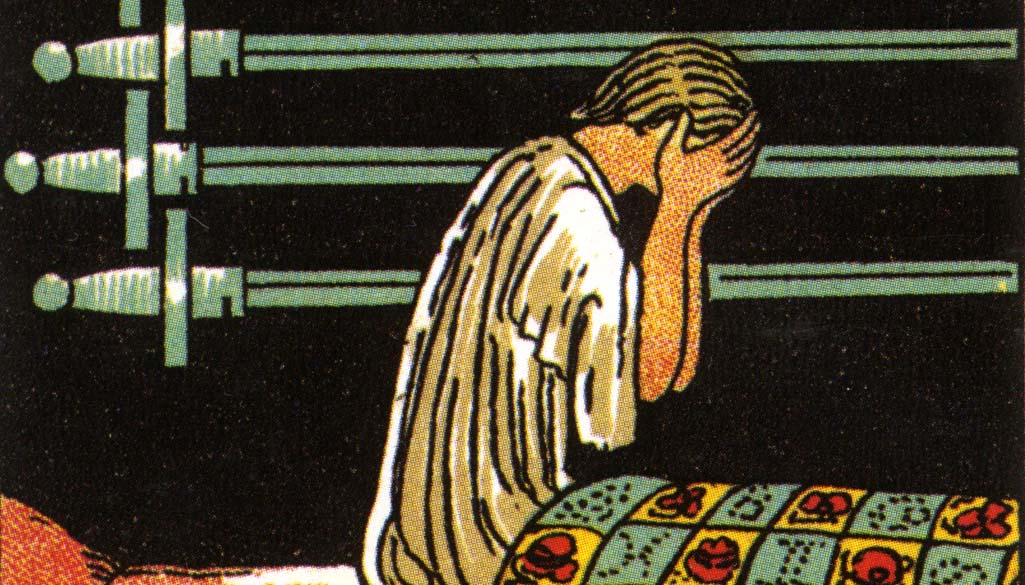
The Nine of Swords is often depicted as a figure sitting up in bed, head in hands, surrounded by nine swords hanging on the wall behind them. This image is a visceral representation of the mind’s tendency to magnify fears and worries, even in moments of supposed rest. The swords—symbols of intellect, conflict, and decision-making—are no longer tools for action but silent reminders of unresolved thoughts. This card doesn’t just warn of anxiety; it invites you to recognize how your own mind can become a battleground.
Metaphorically, the Nine of Swords is the voice that whispers doubts at 3 AM, the relentless replay of “what ifs” that keeps sleep at bay. It’s not the external world that’s causing distress, but the internal narrative you’ve constructed. The card challenges you to ask: Are these fears based in reality, or are they shadows cast by my own imagination? This introspection is the first step toward reclaiming agency over your thoughts.
The Weight of Unspoken Guilt and Regret
Beneath the surface of anxiety lies another layer: guilt. The Nine of Swords often surfaces when you’re haunted by past actions or inactions—regrets that feel like open wounds. The figure’s posture suggests a burden too heavy to bear alone, yet the card also hints at the possibility of release. Guilt, in this context, isn’t a life sentence; it’s a signal that something needs addressing. Whether it’s an apology owed, a lesson unlearned, or a forgiveness withheld, the Nine of Swords urges you to confront what’s been buried.
Consider the swords not as weapons but as unresolved issues. Each one represents a thought or deed that’s been left to fester. The card’s power lies in its ability to expose these hidden weights, making them undeniable. Yet, it also offers a paradox: the more you acknowledge these burdens, the less power they hold over you. The Nine of Swords becomes a catalyst for catharsis, pushing you toward honesty with yourself and others.
Nightmares vs. Reality: Decoding the Card’s Duality
One of the Nine of Swords’ most intriguing aspects is its association with nightmares. The card doesn’t just represent worry—it embodies the terror of the subconscious, where logic dissolves and emotions run rampant. This duality is key: the fears are real to the dreamer, even if they’re irrational in waking life. The card asks you to differentiate between perceived threats and actual dangers. Are you reacting to a ghost, or is there a tangible issue that needs your attention?
This duality extends to how you interpret the card in readings. If you draw the Nine of Swords, it may signal that your anxiety is disproportionate to the situation—or it may reveal that your intuition is picking up on something others are ignoring. The card doesn’t provide easy answers, but it does demand that you examine the source of your distress. Is it a fleeting fear, or a deeper truth trying to surface?

The Nine of Swords in Relationships: Isolation and Miscommunication
In the context of relationships, the Nine of Swords often highlights isolation and unspoken tensions. The card’s imagery—someone alone in their suffering—reflects how fear can drive a wedge between people. Perhaps you’re withholding your worries from a partner, or maybe you’re misinterpreting their actions due to your own insecurities. The Nine of Swords warns against the silent treatment of emotions, whether directed inward or outward.
Metaphorically, the swords can represent the “walls” we build in relationships, whether through avoidance, blame, or passive-aggressiveness. The card challenges you to break down these barriers. What’s the worst that could happen if you shared your fears? Often, the act of voicing them diminishes their power. The Nine of Swords becomes a reminder that vulnerability, though scary, is the path to deeper connection.
Spiritual Lessons: The Illusion of Control
On a spiritual level, the Nine of Swords confronts the illusion of control. The figure’s distress stems from a belief that they must have answers—now. Yet the card’s lesson is clear: some things cannot be solved through sheer force of will. The swords, after all, are tools for cutting through illusions, not for self-flagellation. The Nine of Swords teaches surrender—not to despair, but to the natural ebb and flow of life.
This card is a call to trust the process, even when the path isn’t clear. The mind seeks certainty, but the Nine of Swords reveals the futility of trying to control the uncontrollable. Instead, it invites you to cultivate resilience. How? By recognizing that your thoughts are not your destiny. You can observe your fears without being ruled by them. The card’s true power lies in this shift: from victim of your mind to its compassionate observer.
Practical Applications: Turning Anxiety into Action
So how do you apply the Nine of Swords’ wisdom in daily life? Start by naming your fears. Write them down, speak them aloud, or create art that expresses them. The act of externalizing anxiety often reduces its grip. Next, challenge the narratives your mind constructs. Ask: Is this fear based on evidence, or is it a story I’ve told myself? Finally, take small steps to address the root causes of your distress. If guilt is the issue, make amends. If miscommunication is the culprit, initiate a difficult conversation.
The Nine of Swords isn’t a card of doom—it’s a card of awakening. It doesn’t promise an end to worry, but it offers a way through it. By facing your fears head-on, you reclaim your power. The swords that once hung like a threat can become symbols of your strength, tools for cutting away what no longer serves you.
Conclusion: The Nine of Swords as a Catalyst for Growth
The Nine of Swords is more than a warning against anxiety—it’s an invitation to transform your relationship with fear. It teaches that your mind’s darkest corners can become fertile ground for growth, if you’re willing to tend to them. Whether you’re navigating guilt, isolation, or self-doubt, this card reminds you that you’re not alone in your struggles. The swords may loom large, but they also point the way forward.
Ultimately, the Nine of Swords is a testament to the human capacity for resilience. It acknowledges the pain of the present moment while holding space for hope. By embracing its lessons, you turn your fears into fuel for change. The next time this card appears in a reading, remember: it’s not a prediction of doom, but a call to awaken—to see your shadows, yes, but also to step into the light.
FAQ
What does the Nine of Swords symbolize?
The Nine of Swords symbolizes anxiety, guilt, and the internal struggles of the mind, encouraging introspection and emotional healing.
How can the Nine of Swords be interpreted in Tarot readings?
In Tarot readings, the Nine of Swords can indicate that fears are often exaggerated or based on internal narratives, urging the querent to confront their emotions.
FAQ
What does the Nine of Swords symbolize?
The Nine of Swords symbolizes anxiety, guilt, and the internal struggles of the mind, encouraging introspection and emotional healing.
How can the Nine of Swords be interpreted in Tarot readings?
In Tarot readings, the Nine of Swords can indicate that fears are often exaggerated or based on internal narratives, urging the querent to confront their emotions.
Leave a Reply