Short Answer
Welcome to your comprehensive guide on The Death Tarot Finances – Financial Rebirth. In this article, you’ll explore how the Death tarot card—often misunderstood as a symbol of loss—can actually signify profound financial transformation, rebirth, and new beginnings. Whether you’re facing financial struggles, seeking to break free from old money habits, or preparing for a major economic shift, this guide will help you interpret the card’s message and apply its wisdom to your financial journey. You’ll learn about the card’s symbolic meaning, practical steps for financial rebirth, real-life applications, and how to navigate transitions with confidence. By the end, you’ll have a clear roadmap to embrace change and unlock new prosperity.
The Death Tarot Card: Beyond the Misconceptions
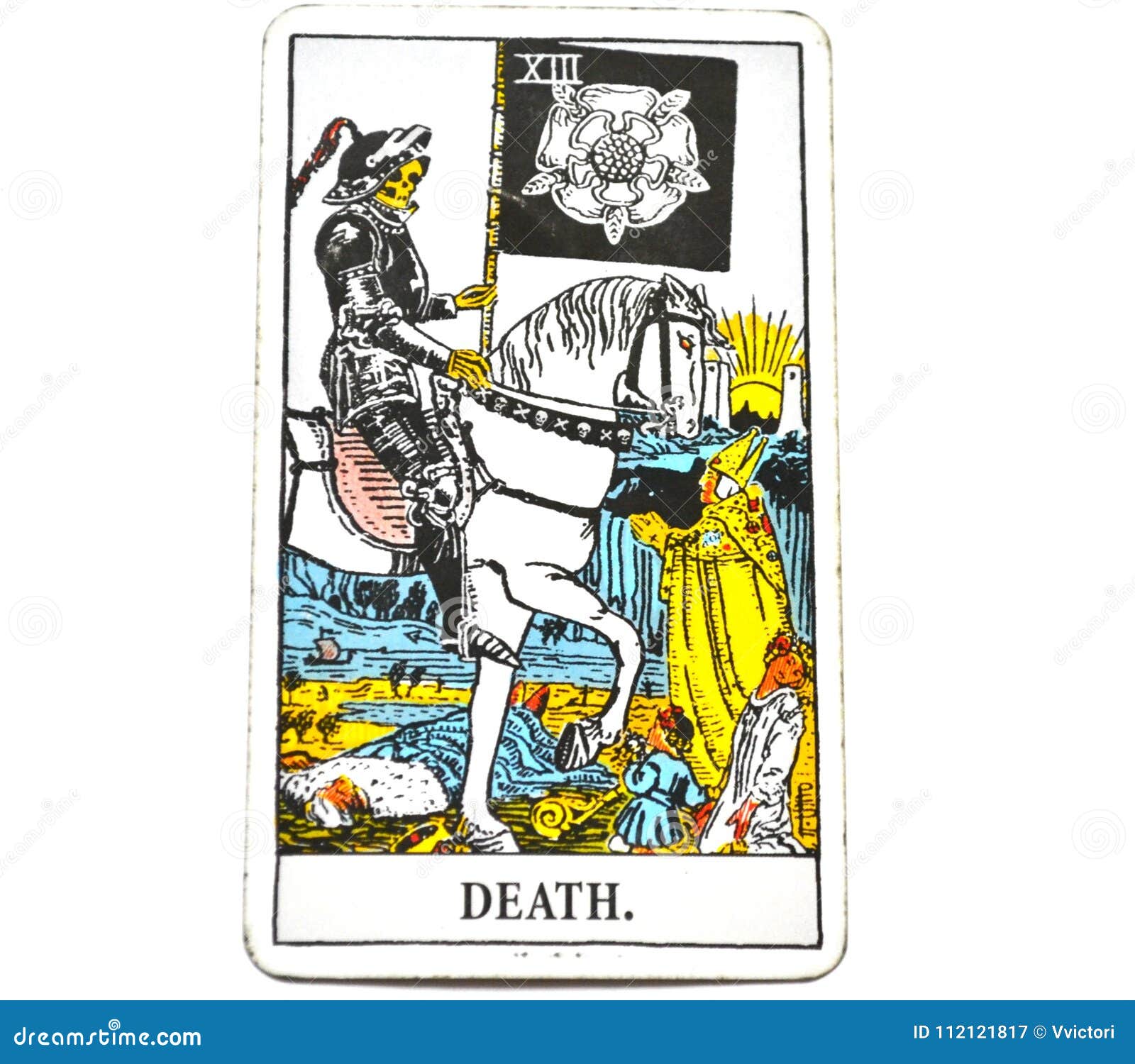
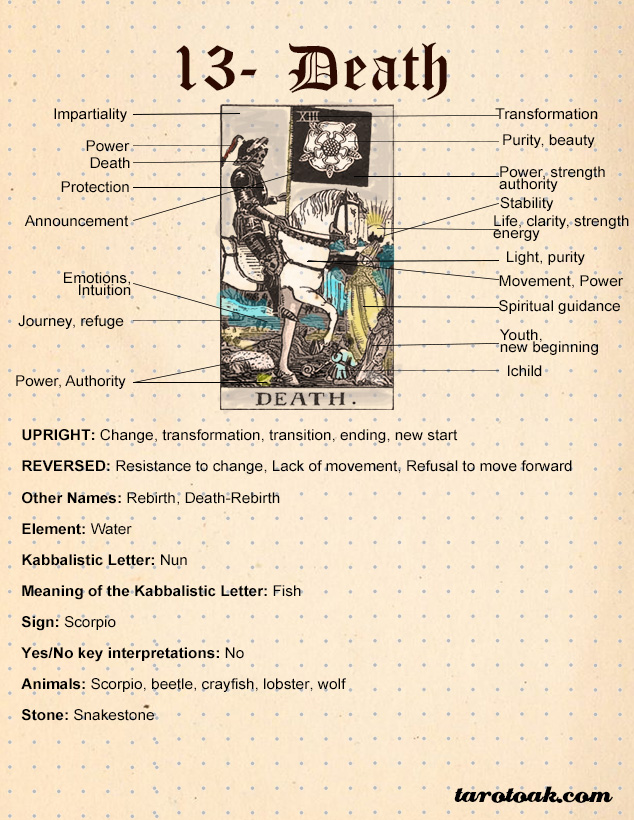
The Death tarot card is often feared due to its ominous imagery—a skeletal figure on horseback, carrying a black flag adorned with a white rose. However, in the realm of finances, this card rarely signifies literal death. Instead, it represents transformation, endings, and rebirth. When this card appears in a financial reading, it suggests that old financial patterns, debts, or unproductive investments are coming to an end. This is not a cause for despair but an invitation to release what no longer serves you and make space for growth.
Financially, the Death card can indicate:
- Closing a chapter – Paying off old debts, ending a failing business, or letting go of toxic financial relationships.
- Major financial shifts – A career change, inheritance, or unexpected windfall that reshapes your economic landscape.
- Rebuilding from scratch – Starting a new savings plan, investing in education, or launching a side hustle after a setback.
It’s a card of controlled demolition—tearing down the old to build something stronger. If you’ve been clinging to financial strategies that no longer work, the Death card signals it’s time to let go.

How the Death Card Influences Your Financial Life
The Death card’s energy is transformative, and its influence on your finances can manifest in several key ways. Understanding these patterns will help you recognize when a financial rebirth is on the horizon and how to prepare for it.
1. End of Financial Cycles
If you’ve been stuck in a cycle of debt, stagnant income, or financial anxiety, the Death card heralds the end of that phase. This could mean:
- Paying off a long-term loan or credit card debt.
- Selling an underperforming asset (like a car or property) to free up cash.
- Leaving a job or business that drains your resources without growth.
This isn’t about sudden wealth but about breaking free from what’s holding you back. The card encourages you to audit your finances and eliminate what’s no longer viable.
2. Unexpected Financial Windfalls
Paradoxically, the Death card can also signal unexpected financial gains. This might come from:
- An inheritance or legal settlement.
- A sudden job opportunity or promotion.
- Profits from selling a business or investment.
The key here is to use these resources wisely. The card warns against reckless spending—this is a time to invest in long-term stability rather than fleeting pleasures. Consider saving, reinvesting, or paying down debt to solidify your newfound abundance.
3. Major Life Changes Affecting Finances
The Death card often coincides with life transitions that reshape your financial reality, such as:
- Moving to a new city or country for a job.
- Going through a divorce or separation that requires asset division.
- Starting a family or downsizing your household.
These changes demand adaptability. The card advises you to plan meticulously—budget for moving costs, legal fees, or new expenses. Flexibility and foresight will help you navigate these shifts smoothly.
Practical Steps for Financial Rebirth with the Death Card
Now that you understand the card’s potential impact, here’s how to harness its energy for a financial rebirth. These steps will help you transition from old patterns to a more prosperous future.
Step 1: Conduct a Financial Audit
Before you can move forward, you need to assess where you stand. Gather all your financial documents—bank statements, bills, investments, and debts—and categorize them. Ask yourself:
- What expenses are draining my resources without adding value?
- Are there debts I can pay off to improve my cash flow?
- What financial habits (e.g., impulse spending, avoiding budgets) are holding me back?
The Death card encourages honest self-reflection. Be brutal in cutting unnecessary costs—subscriptions, memberships, or even relationships that cost more than they’re worth.
Step 2: Create a “Phoenix Budget”
A phoenix rises from ashes—your new budget should reflect this rebirth. Allocate funds strategically:
- Emergency Fund – Aim for 3–6 months of living expenses. This is your safety net for future transitions.
- Debt Repayment – Prioritize high-interest debts first to free up future income.
- Investments – Even small amounts in stocks, retirement accounts, or side hustles can grow over time.
- Savings for Change – Set aside money for unexpected opportunities or challenges.
This budget isn’t about restriction—it’s about empowerment. Every dollar has a purpose, and you’re in control of your financial destiny.
Step 3: Embrace Controlled Risk
The Death card thrives on transformation, which often requires taking calculated risks. This might mean:
- Investing in a new skill or certification to boost your earning potential.
- Starting a side business or freelance gig to diversify income.
- Exploring passive income streams like rental properties or dividends.
However, the card warns against reckless gambles. Research thoroughly, start small, and only commit what you can afford to lose. The goal is strategic growth, not gambling away your future.
Step 4: Let Go of Financial Baggage
Old financial wounds—like past failures, shame around debt, or limiting beliefs about money—can sabotage your rebirth. The Death card urges you to:
- Forgive yourself for past mistakes. Guilt won’t pay your bills.
- Release toxic financial relationships—whether it’s a partner who overspends or a friend who enables bad habits.
- Reframe your money mindset. Instead of “I’ll never get ahead,” adopt “I’m building a stronger financial foundation every day.”
Journaling or working with a financial coach can help you process these emotions and move forward with clarity.
Real-Life Examples of Financial Rebirth with the Death Card
To bring these concepts to life, let’s explore a few scenarios where the Death card’s energy led to financial transformation.
Case Study 1: The Overleveraged Entrepreneur
Sarah, a small business owner, pulled the Death card during a financial reading. Her business was drowning in debt, and she felt trapped. The card confirmed what she already knew: her current path wasn’t sustainable. She took action by:
- Closing her struggling brick-and-mortar store and pivoting to an online model.
- Negotiating with creditors to reduce her debt load.
- Investing in digital marketing to grow her online sales.
Within a year, her business was profitable again, and she had paid off $20,000 in debt. The Death card’s energy helped her shed the old to embrace the new.
Case Study 2: The Corporate Escapee
Mark, a mid-level manager, felt stifled in his 9-to-5 job. The Death card appeared in his reading, signaling it was time to leave his unfulfilling career. He:
- Saved aggressively for six months to build a financial cushion.
- Took a certification course in a high-demand field.
- Negotiated a severance package to bridge the gap.
Six months later, he launched his own consulting business, earning more than he did in his corporate job. The Death card’s message of ending one chapter to begin another was his catalyst for change.
Case Study 3: The Debt-Free Journey
Jenna had $50,000 in student loans and credit card debt. The Death card appeared in her reading, urging her to confront her financial reality. She:
- Switched to a cash-only budget to curb overspending.
- Used the debt snowball method to pay off smaller balances first.
- Picked up a part-time job to accelerate her payments.
Within three years, she was debt-free. The Death card’s energy helped her release the past and reclaim her financial freedom.

Common Pitfalls to Avoid with the Death Card
While the Death card offers powerful opportunities for financial rebirth, it’s not without its challenges. Here are pitfalls to watch out for:
1. Ignoring the Call for Change
It’s easy to dismiss the Death card’s message, especially if you’re comfortable in your current financial situation. However, resisting change can lead to stagnation. If you’re ignoring mounting debt, avoiding budget reviews, or clinging to a failing investment, you’re missing the card’s invitation to grow.
2. Making Impulsive Decisions
The Death card’s energy can feel overwhelming, leading to rash choices like quitting a job without a plan or liquidating all your assets. Always pause and reflect before making drastic moves. Ask yourself: “Is this a strategic decision or a reaction to fear?”
3. Failing to Plan for the Transition
Financial rebirth isn’t instant. If you’re expecting overnight success after pulling the Death card, you may be disappointed. The card signals the potential for change, but it’s up to you to put in the work. Create a step-by-step plan and stick to it.
4. Neglecting Self-Care During Change
Transformations—even positive ones—can be stressful. If you’re overworking, undersleeping, or neglecting your health to “make it happen,” you’re not honoring the Death card’s message of renewal. Balance ambition with self-care to ensure your rebirth is sustainable.
Conclusion
The Death tarot card is a powerful ally in your financial journey, offering a path from struggle to rebirth. Far from being a harbinger of doom, it’s a symbol of transformation, urging you to release what no longer serves you and embrace new opportunities. By understanding its message, conducting a financial audit, creating a strategic plan, and taking calculated risks, you can turn financial setbacks into stepping stones for growth.
Remember, the Death card doesn’t promise instant wealth or effortless change. It promises the courage to evolve. Whether you’re paying off debt, starting a business, or simply letting go of old money habits, this card reminds you that every ending is a chance for a new beginning. Trust the process, stay disciplined, and watch as your financial life transforms in ways you never imagined.
Your financial rebirth starts now—are you ready to rise from the ashes?
FAQ
What does the Death tarot card mean in finances?
In financial readings, the Death tarot card symbolizes transformation, endings of old financial habits, and new financial beginnings rather than literal death.
How can the Death card help with financial rebirth?
The Death card encourages letting go of unproductive financial patterns and embracing new strategies like budgeting, debt repayment, and calculated investments for a fresh financial start.
Can the Death card indicate financial gain?
Yes, it can indicate unexpected windfalls such as inheritances or promotions, but advises wise management of these resources.
What practical steps should I take when the Death card appears in a financial reading?
Conduct a financial audit, create a strategic ‘Phoenix Budget,’ embrace controlled risks, and let go of limiting financial beliefs or toxic relationships.
Leave a Reply