Short Answer
Curious about the enigmatic The Devil Tarot card? This guide dives deep into its symbolism, exploring whether it represents temptation, control, or something more nuanced. You’ll uncover the card’s core meanings in love, career, and personal growth, along with practical advice for interpreting its messages in your readings. By the end, you’ll see how The Devil isn’t just a warning—it’s a mirror reflecting your own choices and boundaries.
The Devil Tarot Card: A Playful Question or a Hidden Trap?
The Devil Tarot card often arrives as a playful yet provocative invitation: Are you in control, or is something—or someone—pulling your strings? This card doesn’t just warn of danger; it asks you to examine the chains you’ve willingly (or unknowingly) wrapped around yourself. Whether it’s an unhealthy relationship, a toxic habit, or a job that drains your soul, The Devil highlights the illusions we cling to when we prioritize comfort over freedom.
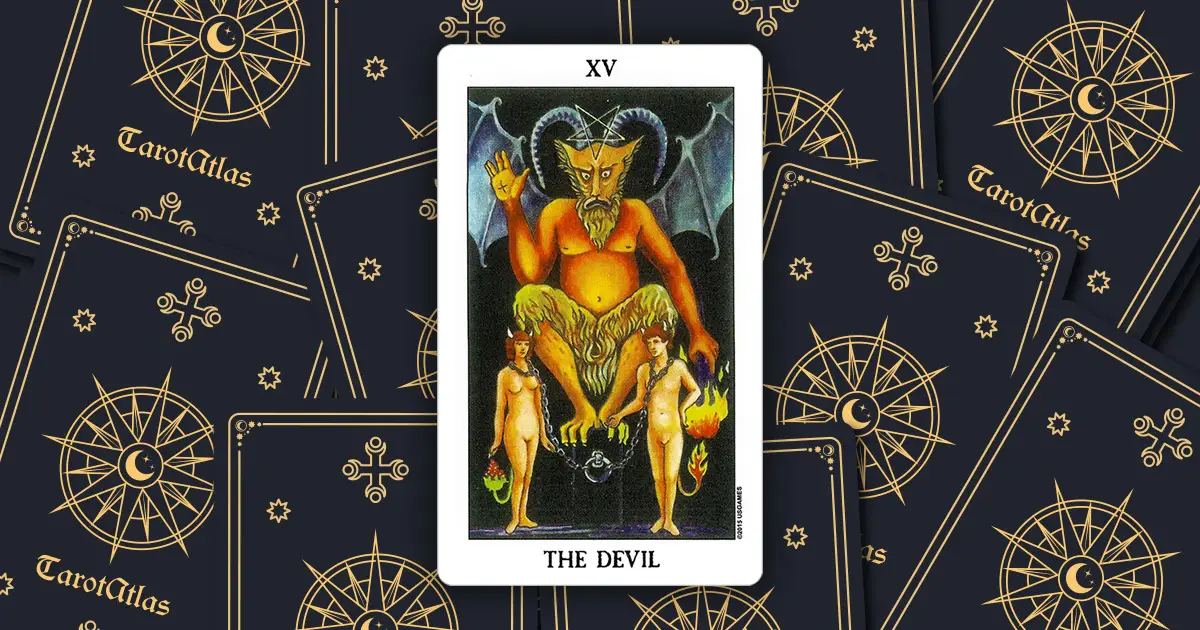
Visually, The Devil is a striking figure—horned, winged, and perched atop a pedestal, surrounded by chained figures. These chains aren’t forced; they’re loose, suggesting that the prisoners could escape at any moment. This paradox is key: The Devil isn’t an external villain but a reflection of our own attachments. Are you holding onto something that’s slowly suffocating you?
In readings, The Devil often appears when you’re being tested by temptation. It might be the late-night scroll through social media when you promised yourself a digital detox, or the coworker who promises “quick money” through shady deals. The card doesn’t judge—it simply points out the game you’re playing with yourself.
Temptation vs. Control: Decoding the Card’s Dual Nature
The Devil’s duality lies in its ability to embody both temptation and control. On one hand, it represents the allure of instant gratification—whether it’s pleasure, power, or escape. This could manifest as an addiction, a toxic relationship, or even a belief system that limits your potential. The chains in the card’s imagery symbolize the invisible bonds we create when we let fear or desire dictate our actions.
On the other hand, The Devil can signify external control—when someone else is manipulating you, whether through guilt, obligation, or outright coercion. This might look like a partner who gaslights you into doubting your reality or a boss who exploits your work ethic. The card asks: Who holds the key to your freedom? Is it you, or are you waiting for someone else to unlock the door?
To distinguish between these two faces of The Devil, pay attention to the context of your reading. If the card appears alongside The Lovers or Two of Cups, it might hint at a relationship dynamic where control is disguised as love. If it’s paired with The Tower or Eight of Swords, it could signal an external force tightening its grip on you. The Devil thrives in ambiguity, so trust your intuition to guide you toward the most relevant interpretation.
The Devil in Love: When Attraction Becomes a Cage
In love readings, The Devil is a red flag wrapped in a pretty bow. It often appears when a relationship is built on obsession, codependency, or power imbalances. You might be ignoring red flags because you’re afraid of being alone, or perhaps your partner thrives on drama and keeps you emotionally hostage. The card doesn’t necessarily mean the relationship is doomed—it’s a call to examine whether your love is truly freeing or just another chain.
If you’re single, The Devil could warn against jumping into a new romance out of loneliness or desperation. It might also suggest that you’re repeating patterns from past relationships, chasing the same highs and lows because familiarity feels safer than vulnerability. Ask yourself: Am I seeking love, or am I seeking an escape?
Reversed, The Devil in love readings can indicate breaking free from toxic dynamics or rediscovering your self-worth. It’s a sign that you’re ready to cut ties with what no longer serves you, even if it feels terrifying. Trust that the void left behind will make room for healthier connections.
Career and Finances: The Devil’s Shadow Side
In career spreads, The Devil often points to environments where exploitation, unethical practices, or burnout thrive. You might be in a job that drains your energy for little reward, or perhaps you’re tolerating a boss who micromanages every aspect of your work. The card asks: Are you trading your time for a paycheck, or are you investing in your future?
Financially, The Devil can signal reckless spending, gambling, or investments that promise quick returns but lead to long-term loss. It’s a reminder to audit your habits: Are you spending to fill an emotional void, or are your purchases aligned with your values? The card doesn’t shame you for enjoying life’s pleasures—it simply urges you to ask whether those pleasures are truly yours to claim.
If The Devil appears in a career reading, consider whether you’re staying in a role out of fear (of change, failure, or judgment) or out of genuine passion. Sometimes, the most rebellious act is walking away from a situation that’s slowly eroding your spirit.
Personal Growth: Breaking Free from Self-Imposed Chains
The Devil’s most powerful lesson is about self-awareness. It’s not about blaming external forces for your struggles; it’s about recognizing the ways you’ve handed over your power. This could look like:
- Addictions: Whether it’s scrolling, shopping, or substance use, The Devil highlights the temporary highs that leave you feeling empty.
- People-Pleasing: Do you say “yes” when you mean “no”? The Devil exposes the fear of disappointing others at the cost of your own well-being.
- Limiting Beliefs: Are you telling yourself stories like “I’ll never be good enough” or “This is just how life is”? The card challenges these narratives, urging you to rewrite your script.
To break free, start small. Identify one “chain” in your life—a habit, a relationship, or a mindset—and ask: What would happen if I let this go? The answer might surprise you. The Devil isn’t a punishment; it’s an invitation to reclaim your agency.
Reversed Devil: The Light at the End of the Tunnel
When The Devil appears reversed, it’s a beacon of hope. This position suggests you’re already on the path to liberation, even if the journey feels slow. You might be:
- Recognizing toxic patterns in your life and taking steps to distance yourself.
- Rebuilding your self-esteem after a period of feeling trapped.
- Finding the courage to set boundaries with people or situations that drain you.
The reversed Devil is a reminder that freedom isn’t a destination—it’s a daily practice. It’s choosing yourself, even when it’s uncomfortable, and trusting that the chains you’ve outgrown will eventually crumble.
Conclusion: The Devil as Your Greatest Teacher
The Devil Tarot card is far more than a warning; it’s a mirror. It doesn’t just show you the chains around your wrists—it asks why you’re still wearing them. Whether it’s temptation, control, or self-sabotage, this card invites you to examine the illusions you’ve created and the choices that have led you here.
Remember, the figures in The Devil’s imagery aren’t screaming for help—they’re comfortable in their chains. That’s the card’s most chilling truth: We often mistake familiarity for safety, even when it’s slowly killing us. The good news? The chains are loose. The key is already in your hand.
Next time The Devil appears in a reading, don’t shy away from its message. Instead, ask yourself: What am I holding onto that no longer serves me? The answer might just be the first step toward a life unbound.
FAQ
What does The Devil Tarot card mean?
The Devil Tarot card represents temptation, control, and the chains we create through our choices and attachments.
How does The Devil relate to love readings?
In love readings, The Devil often signifies unhealthy patterns, obsession, or power imbalances in relationships.
What should I do when The Devil appears in a reading?
Reflect on what chains you might be holding onto and whether they serve or limit your freedom.

Leave a Reply