Short Answer
The Ferylyte Tarot, also known as the Fferyllt Tarot, is an esoteric and visually captivating deck that blends alchemical symbolism with traditional tarot imagery. This guide explores the origins, structure, and unique features of the Alchemical Tarot, offering insights into its use for divination, meditation, and spiritual exploration. Whether you’re a seasoned tarot reader or a curious newcomer, this article will help you understand the depth and versatility of this remarkable deck.
Origins and History of the Alchemical Tarot
The Alchemical Tarot is deeply rooted in the ancient practice of alchemy, which seeks to transform base metals into gold and, metaphorically, the human soul into enlightenment. The deck was created by a collective of artists and esotericists who aimed to bridge the gap between tarot and alchemical philosophy. Unlike traditional tarot decks, which often draw from medieval Christian symbolism, the Alchemical Tarot incorporates elements from Hermeticism, Kabbalah, and Renaissance alchemy. This fusion results in a deck that is both intellectually stimulating and spiritually enriching.
The name “Fferyllt” is derived from the Welsh word for alchemy, reflecting the deck’s connection to Celtic and Druidic traditions. The deck’s creators sought to evoke the mystical and transformative power of alchemy, making it a powerful tool for those interested in esoteric studies. The Alchemical Tarot is not just a divinatory tool; it is a gateway to deeper self-discovery and spiritual growth.
Deck Structure and Card Layout
The Alchemical Tarot follows the traditional 78-card structure of the tarot, consisting of the Major Arcana and Minor Arcana. However, the imagery and symbolism are distinctly alchemical, with each card representing a stage in the alchemical process or a corresponding alchemical principle. The Major Arcana, for example, includes cards like “The Alchemist” (representing the practitioner), “The Philosopher’s Stone” (symbolizing enlightenment), and “The Great Work” (the ultimate goal of alchemy).
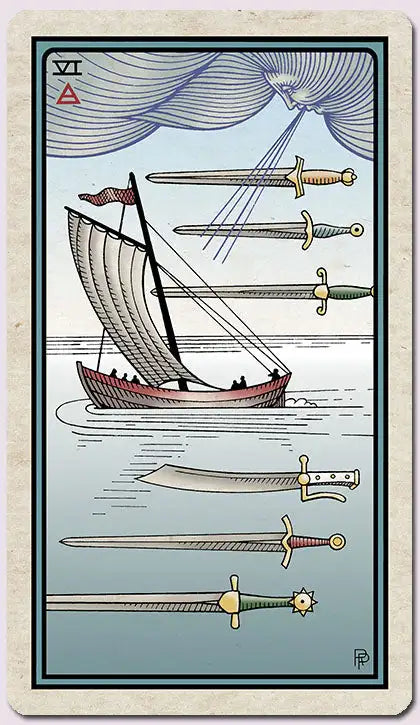
The Minor Arcana is divided into four suits: Wands, Cups, Swords, and Pentacles, each corresponding to a classical element—Fire, Water, Air, and Earth, respectively. The court cards (Page, Knight, Queen, King) are often depicted as alchemical figures or processes, adding another layer of complexity to the deck. This structure allows for a nuanced interpretation of the cards, making the Alchemical Tarot a versatile tool for both divination and meditation.
Symbolism and Imagery in the Alchemical Tarot
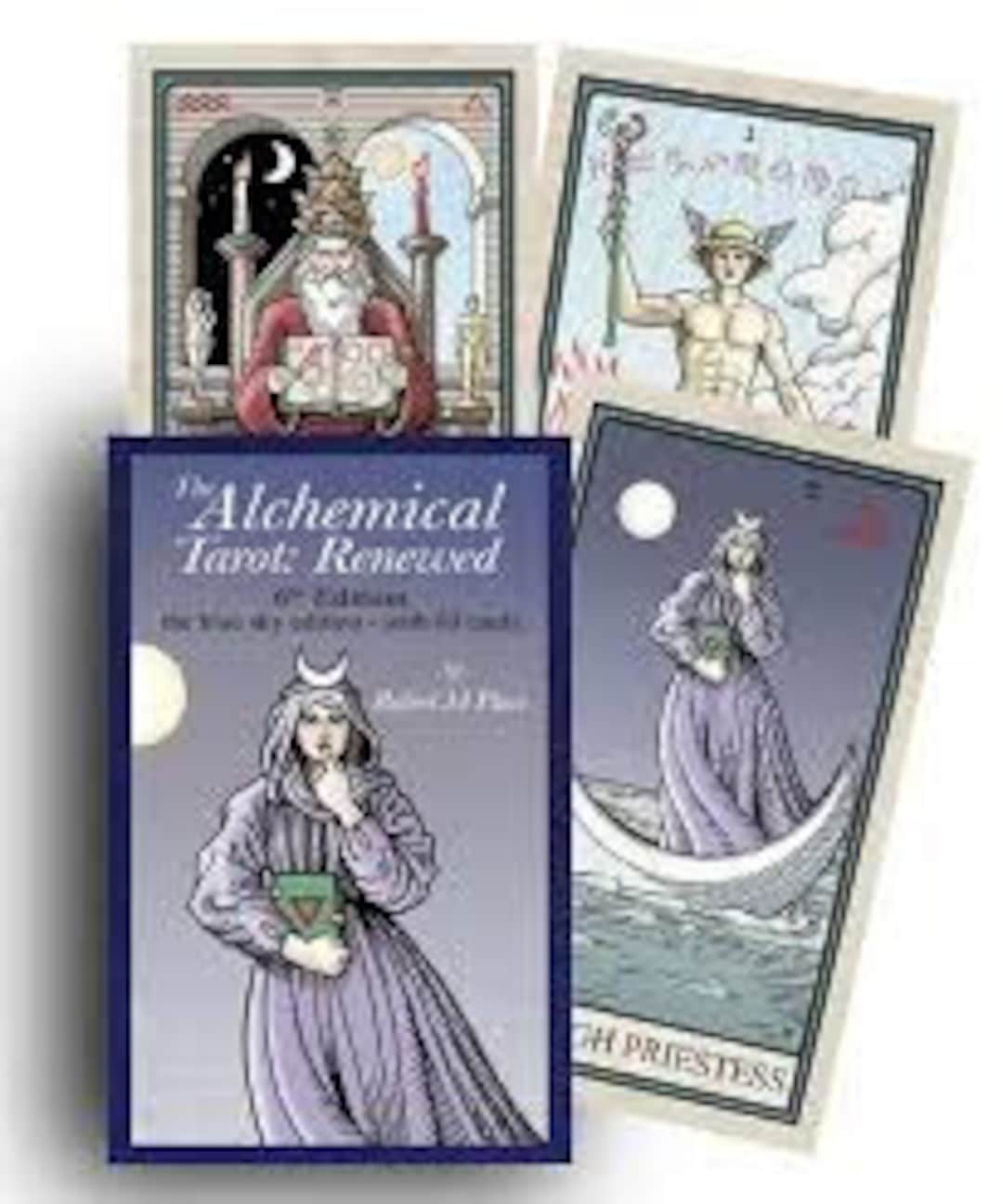
The Alchemical Tarot is renowned for its rich and intricate symbolism, which draws from a wide range of esoteric traditions. Each card is a visual representation of alchemical concepts, such as the four elements, the stages of the Great Work (Nigredo, Albedo, Citrinitas, Rubedo), and the union of opposites (Sol and Luna). The imagery is often surreal and dreamlike, inviting the viewer to delve deeper into its meaning.
For example, the card “The Tower” in the Major Arcana is depicted as a crumbling alchemical vessel, symbolizing the destruction of the old self to make way for transformation. Similarly, the “Lovers” card is illustrated with the union of the Sun and Moon, representing the balance of masculine and feminine energies. This symbolism makes the Alchemical Tarot a powerful tool for those interested in exploring the hidden layers of the tarot and alchemy.
Using the Alchemical Tarot for Divination
The Alchemical Tarot can be used for traditional tarot readings, but its unique symbolism allows for a more nuanced and layered interpretation. When performing a reading, it’s essential to understand the alchemical context of each card. For instance, drawing “The Hermit” might indicate a period of introspection and solitude, while “The Wheel of Fortune” could signify cycles of change and transformation in alignment with alchemical principles.
To get the most out of the Alchemical Tarot, consider keeping a journal of your readings to track patterns and themes. You may also want to study alchemical texts alongside the deck to deepen your understanding of its symbolism. The Alchemical Tarot rewards those who take the time to explore its layers, making it a valuable tool for both beginners and advanced practitioners.
Meditation and Spiritual Exploration with the Alchemical Tarot
Beyond divination, the Alchemical Tarot is an excellent tool for meditation and spiritual exploration. Each card can serve as a focal point for contemplation, helping you connect with the alchemical processes of transformation and enlightenment. For example, meditating on “The Alchemist” card can inspire you to reflect on your own journey of self-discovery, while “The Philosopher’s Stone” can symbolize the pursuit of spiritual perfection.
To use the deck for meditation, select a card that resonates with your current spiritual or personal goals. Spend time studying the imagery and symbolism, and allow your intuition to guide your interpretation. You may also incorporate alchemical rituals or affirmations into your practice to enhance the experience. The Alchemical Tarot is not just a tool for fortune-telling; it is a companion for deep spiritual work.
Comparing the Alchemical Tarot to Other Decks
The Alchemical Tarot stands out from other tarot decks due to its unique focus on alchemical symbolism and philosophy. While traditional decks like the Rider-Waite-Smith or Thoth Tarot incorporate some alchemical elements, the Alchemical Tarot is entirely dedicated to this theme. This makes it an excellent choice for those who are drawn to esoteric traditions and wish to explore the tarot through an alchemical lens.
Compared to other esoteric decks, such as the Thoth Tarot or the Golden Dawn Tarot, the Alchemical Tarot offers a more accessible entry point for those new to alchemy. Its imagery is less abstract and more directly tied to the stages of the alchemical process, making it easier to understand and interpret. However, experienced tarot readers will also find depth and complexity in the deck, as it encourages a deeper exploration of alchemical principles.
Tips for Collecting and Caring for Your Alchemical Tarot Deck
If you’re considering adding the Alchemical Tarot to your collection, there are a few things to keep in mind. First, decide whether you want a physical or digital version of the deck. Physical decks are ideal for those who enjoy the tactile experience of shuffling and drawing cards, while digital decks offer convenience and portability. The provided links include options for both formats, allowing you to choose what suits your needs best.
To care for your Alchemical Tarot deck, store it in a protective case or cloth to prevent damage. Avoid exposing the cards to direct sunlight or moisture, as this can cause fading or warping. If you’re using a digital deck, make sure to back up your files to prevent loss. Regularly cleansing your deck—whether physical or digital—can also help maintain its energetic integrity and ensure accurate readings.
Conclusion
The Alchemical Tarot is a remarkable deck that offers a unique blend of tarot and alchemical symbolism. Whether you’re drawn to its rich imagery, its esoteric roots, or its potential for spiritual growth, this deck has much to offer. By understanding its origins, structure, and symbolism, you can unlock its full potential as a tool for divination, meditation, and self-discovery. Whether you’re a seasoned tarot reader or a curious newcomer, the Alchemical Tarot invites you to explore the transformative power of alchemy and the tarot.
FAQ
What is the Ferylyte / Fferyllt Tarot?
The Ferylyte or Fferyllt Tarot is an alchemical tarot deck that combines traditional tarot structure with alchemical and esoteric symbolism drawn from Hermeticism, Kabbalah, and Celtic traditions.
How does the Alchemical Tarot differ from traditional tarot decks?
It uniquely integrates alchemical symbolism and processes into its imagery and card meanings, offering a distinct esoteric perspective compared to decks like Rider-Waite-Smith or Thoth Tarot.
What is the structure of the Alchemical Tarot deck?
It consists of 78 cards divided into Major Arcana and Minor Arcana suits, with alchemical themes represented throughout the imagery.
Can the Alchemical Tarot be used for meditation?
Yes, each card can serve as a meditation focal point to explore spiritual transformation and alchemical principles.
How should I care for my Alchemical Tarot deck?
Physical decks should be stored in protective cases away from sunlight and moisture and regularly cleansed energetically; digital decks should be backed up and maintained similarly.
Leave a Reply