Short Answer
Welcome to this comprehensive guide on Quick Meanings & Reader Meanings, a powerful tool designed to enhance your understanding of English and Hindi languages. Whether you’re a student, professional, or language enthusiast, this guide will help you explore different types of content that can improve your reading, comprehension, and vocabulary skills. By the end, you’ll have a clear understanding of how to leverage these resources effectively for your learning journey.
Understanding Quick Meanings & Reader Meanings
Quick Meanings & Reader Meanings are language-learning aids that provide instant translations or explanations of words, phrases, or sentences in both English and Hindi. These tools are particularly useful for readers who encounter unfamiliar terms while reading articles, books, or online content. By offering immediate access to meanings, they help bridge the gap between languages, making comprehension smoother and more efficient. Quick Meanings typically focus on single words or short phrases, while Reader Meanings provide deeper context and explanations, often including examples or usage notes.
Types of Content Available
This guide covers a variety of content types that you can expect when using Quick Meanings & Reader Meanings tools. These resources are designed to cater to different learning needs and preferences, ensuring that you find something that resonates with your style.
1. Dictionary Apps for Android
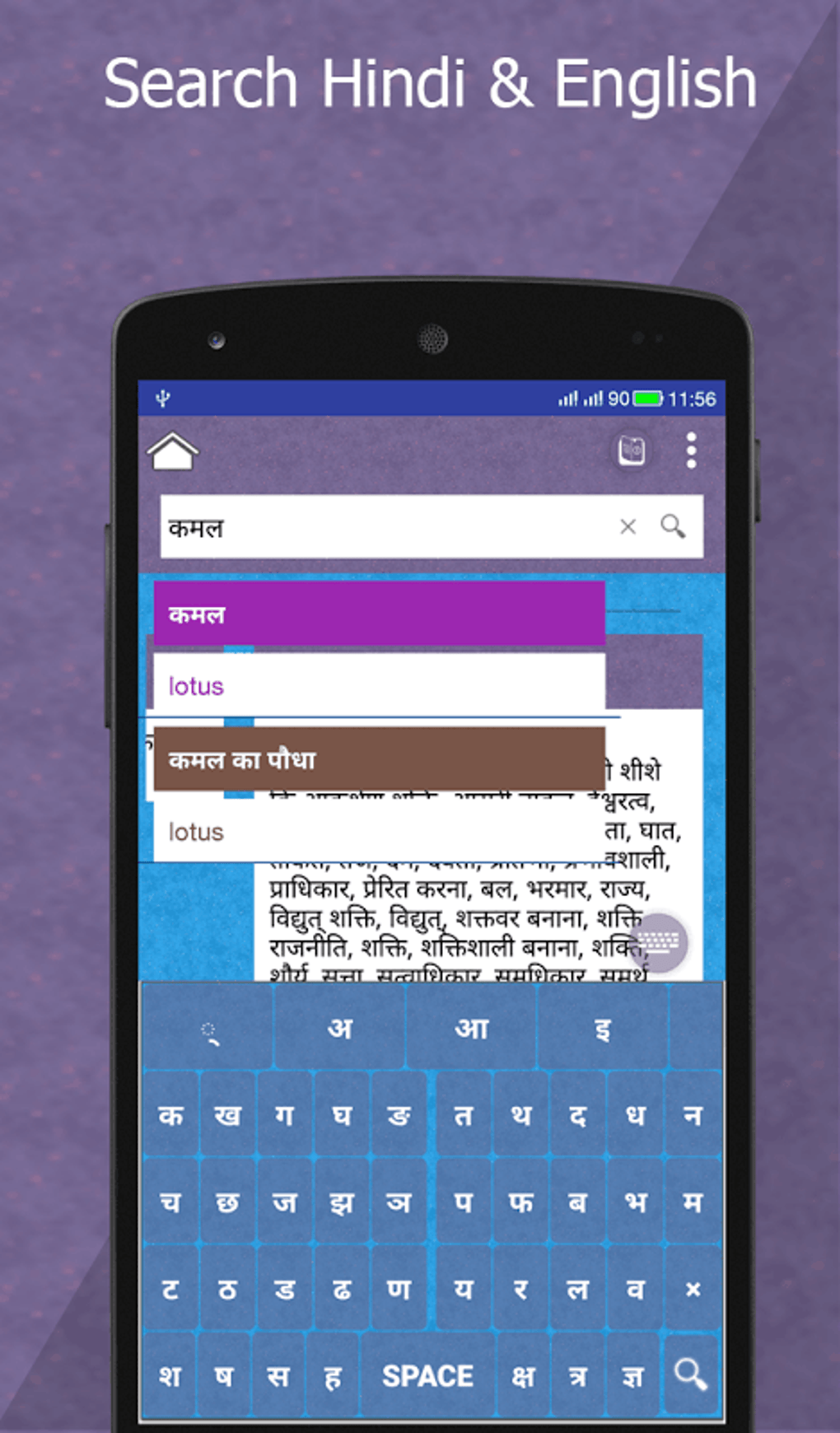
One of the most accessible forms of Quick Meanings is through dictionary apps available on Android devices. These apps offer offline access to word meanings, synonyms, antonyms, and pronunciation guides. For example, the English Hindi Dictionary APK provides a comprehensive database of words with their Hindi translations, making it easy to look up meanings on the go. Another useful app is the English Hindi Dictionary Mini, which is lightweight and focuses on essential vocabulary, perfect for quick reference.

2. Daily Use English Sentences with Hindi Meaning
For learners looking to improve their conversational skills, downloadable resources featuring 20 Daily Use English Sentences with Hindi Meaning are invaluable. These resources provide practical examples of commonly used phrases in English, along with their Hindi translations and contextual explanations. Such content is ideal for beginners and intermediate learners who want to build confidence in everyday communication. The sentences are often categorized by themes like greetings, travel, shopping, or work, making it easier to focus on specific areas of interest.
3. Contextual Explanations and Usage Notes
Beyond simple translations, advanced Quick Meanings & Reader Meanings tools offer contextual explanations to help you understand how words and phrases are used in real-life scenarios. For instance, you might encounter a sentence like, “I’m feeling under the weather,” where “under the weather” is an idiom meaning “feeling sick.” These explanations often include synonyms, antonyms, and example sentences to reinforce your understanding. Such detailed notes are particularly useful for mastering idiomatic expressions and cultural nuances in both languages.
4. Audio and Pronunciation Guides
Many Quick Meanings tools also include audio features that allow you to hear the correct pronunciation of words and phrases. This is especially helpful for non-native speakers who want to improve their spoken English and Hindi. Pronunciation guides often include phonetic spellings, stress patterns, and slow playback options to ensure accuracy. Some apps even offer voice recognition features, enabling you to practice speaking and receive instant feedback on your pronunciation.
5. Interactive Exercises and Quizzes
To reinforce learning, some resources include interactive exercises and quizzes that test your understanding of the material. These might range from multiple-choice questions and fill-in-the-blank exercises to more advanced activities like sentence construction or translation tasks. Interactive content is a great way to apply what you’ve learned and identify areas that need further review. It also adds an element of engagement, making the learning process more enjoyable and effective.
How to Use Quick Meanings & Reader Meanings Effectively
To get the most out of Quick Meanings & Reader Meanings tools, it’s important to use them strategically. Start by identifying your learning goals—whether it’s improving vocabulary, mastering grammar, or enhancing conversational skills. Then, choose resources that align with these goals. For example, if you’re preparing for a trip to a Hindi-speaking region, focus on travel-related phrases and vocabulary. If you’re studying for an exam, prioritize academic or professional terms.
Consistency is key when using these tools. Set aside dedicated time each day to review new words, practice pronunciation, or complete exercises. Combine Quick Meanings with active reading or listening exercises to reinforce your learning. For instance, read an English article and use a dictionary app to look up unfamiliar words, then try to guess their meanings based on context before checking the translation. This active engagement will help solidify your understanding and retention.
Benefits of Quick Meanings & Reader Meanings
Incorporating Quick Meanings & Reader Meanings into your language-learning routine offers numerous benefits. First, it saves time by providing instant access to meanings, eliminating the need to search through physical dictionaries or rely solely on guesswork. This efficiency allows you to focus more on comprehension and less on deciphering individual words. Second, these tools enhance your confidence in using both languages, whether in writing, speaking, or comprehension. By expanding your vocabulary and understanding of idiomatic expressions, you’ll be better equipped to communicate effectively in various settings.
Additionally, Quick Meanings & Reader Meanings cater to different learning styles. Visual learners can benefit from image-based explanations, while auditory learners can use audio guides to improve pronunciation. Kinesthetic learners, who learn best through practice, can engage with interactive exercises and quizzes. This versatility ensures that there’s something for everyone, regardless of their preferred learning method.
Conclusion
Quick Meanings & Reader Meanings are indispensable tools for anyone looking to improve their proficiency in English and Hindi. From dictionary apps and downloadable sentence resources to contextual explanations and interactive exercises, these tools offer a wealth of content tailored to diverse learning needs. By incorporating them into your daily routine and using them strategically, you can enhance your vocabulary, comprehension, and overall language skills. Whether you’re a beginner or an advanced learner, these resources provide the support and guidance you need to achieve your language goals. Start exploring today and unlock the full potential of your bilingual journey.
FAQ
What are Quick Meanings & Reader Meanings?
Quick Meanings & Reader Meanings are language-learning tools offering immediate word translations and in-depth explanations to support English and Hindi learners.
How do these tools help with language learning?
They provide instant access to definitions, usage examples, pronunciation guides, and interactive exercises to enhance understanding and retention.
Can I use these tools offline?
Many dictionary apps mentioned support offline access, making them convenient for on-the-go learning.
Are there interactive features available?
Yes, some tools include quizzes and exercises to reinforce learning and assess progress.
Leave a Reply