Short Answer
Have you ever stood before a garden gate, hesitated, and wondered: What lies beyond? That simple question captures the essence of The Gardener & The Gate—a concept that blends curiosity, design, and the timeless allure of stepping into nature’s embrace. Whether you’re a seasoned green thumb or a casual admirer of blooming landscapes, understanding the role of gates in garden design can transform how you perceive and interact with outdoor spaces. In this guide, you’ll discover the history, design principles, and playful challenges behind garden gates, along with tips to create your own enchanting entryway. By the end, you might just find yourself reimagining the humble gate as the key to a world of wonder.
The History and Symbolism of Garden Gates
Garden gates are far more than functional barriers—they are gateways to imagination. Historically, gates have symbolized transition, privacy, and even mystery. In medieval European gardens, wrought-iron gates often marked the boundary between the cultivated world and the wild, while in Japanese Zen gardens, gates like the torii serve as spiritual thresholds. The act of passing through a gate invites a shift in mindset, signaling the transition from the everyday to the extraordinary.
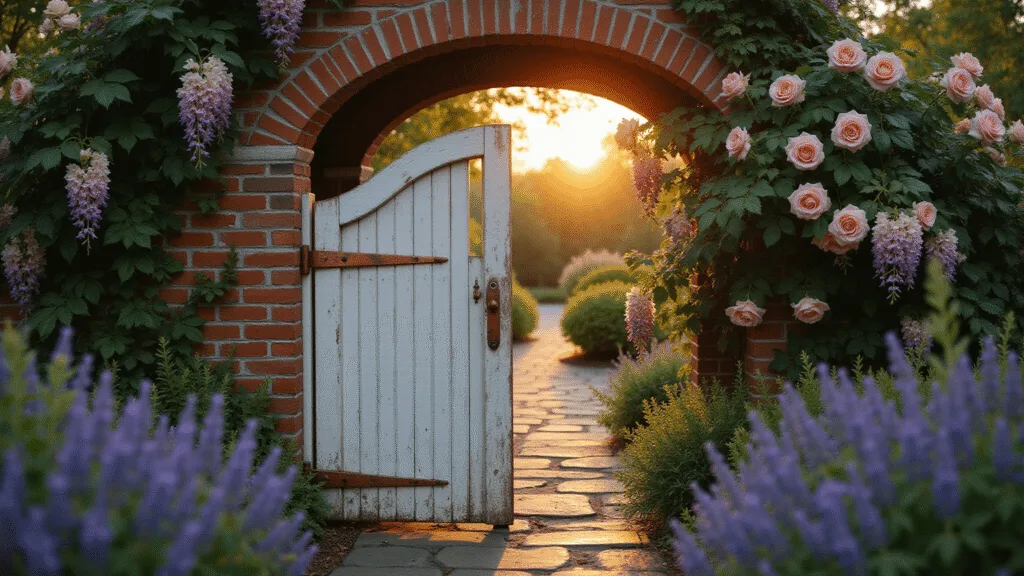
Consider the classic English cottage garden gate, often arched and covered in climbing roses. Such gates aren’t just practical; they’re invitations. They whisper promises of hidden treasures—perhaps a secret herb patch, a whimsical fountain, or a sun-dappled path leading to a bench. The materials used—whether rustic wood, ornate metal, or modern composite—also tell a story. A weathered wooden gate might evoke nostalgia, while a sleek metal design could hint at contemporary sophistication. What story does your ideal gate tell?
Design Principles: Crafting an Enchanting Entryway
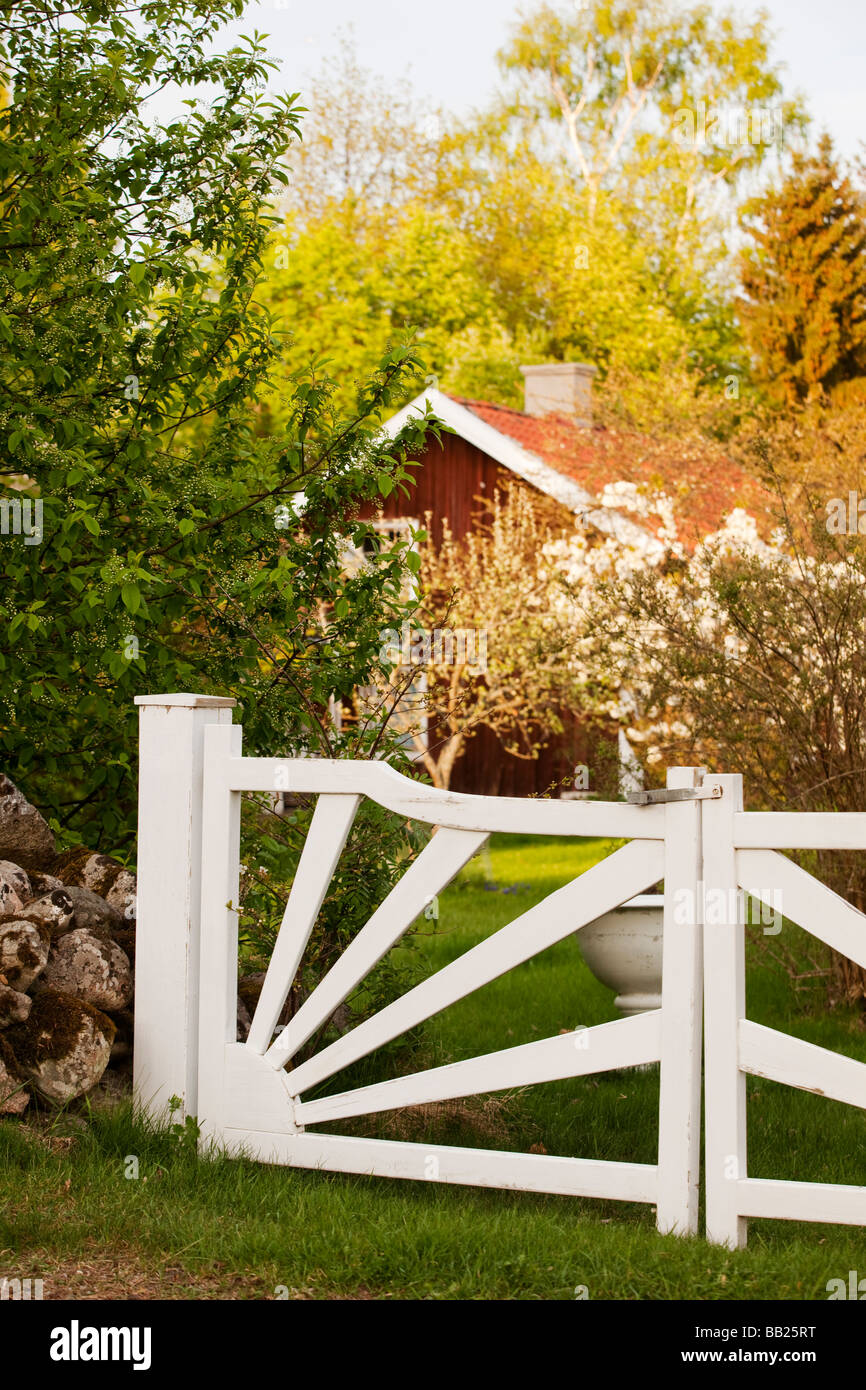
Designing a garden gate is an art that balances aesthetics, functionality, and symbolism. Start by considering the gate’s purpose. Is it purely decorative, or does it need to serve as a functional barrier for pets or wildlife? The scale of your garden will also influence the gate’s design—tall, imposing gates work well for grand estates, while smaller, intimate gates suit cozy urban gardens.
Materials play a crucial role in setting the tone. Wood offers warmth and tradition, but requires maintenance to withstand the elements. Metal gates, such as wrought iron or aluminum, provide durability and elegance but may lack the organic feel of wood. For a modern twist, consider composite materials or even living gates, where vines and flowers are trained to grow over a simple frame. Color is another powerful tool; a bold hue like cobalt blue can create a striking focal point, while earthy tones blend seamlessly with the natural surroundings.
Don’t overlook the gate’s hardware. Hinges, latches, and handles can be both functional and decorative. Antique brass or black iron hardware adds a touch of old-world charm, while sleek stainless steel offers a contemporary look. The sound of a gate creaking open or clicking shut can also enhance the sensory experience, evoking memories of childhood adventures in a grandparent’s garden.
The Playful Challenge: Can You Design a Gate That Tells a Story?
Here’s a challenge to spark your creativity: Imagine your garden gate as a chapter in a larger narrative. What story does it tell? Perhaps it’s the entrance to a fairy tale realm, where stepping through means leaving the ordinary world behind. Or maybe it’s a portal to a secret society of gardeners, where only those who appreciate the beauty of nature may enter. Your gate could even be a time machine, transporting visitors to a bygone era of lavish Victorian gardens or medieval herb plots.
To bring your story to life, think about the details. Incorporate elements that hint at the narrative—mosaic tiles depicting a mythical creature for a fairy tale theme, or vintage signage for a nostalgic vibe. You might even add interactive features, like a small chalkboard where visitors can leave messages or a hidden compartment for garden notes. The goal is to make your gate an experience, not just a passageway.
For inspiration, consider the gates of famous gardens. The Porta del Paradiso in Florence’s Boboli Gardens is a masterpiece of Renaissance art, while the whimsical gates of the Keukenhof Gardens in the Netherlands resemble something straight out of a storybook. What elements from these iconic gates could you adapt for your own design?
Practical Tips for Building or Choosing a Gate
If you’re ready to bring your garden gate to life, start with a clear plan. Measure the space where the gate will be installed, ensuring it’s wide enough for easy passage but not so large that it overwhelms the garden. Consider the gate’s swing direction—will it open inward or outward? This may depend on the layout of your garden and the space available.
For DIY enthusiasts, building a gate can be a rewarding project. Begin with a sturdy frame, using pressure-treated lumber or metal for longevity. Add crossbeams for support, and choose a design that complements your garden’s style. If you’re not confident in your carpentry skills, pre-made gates are widely available in various styles and materials. Just ensure the gate is level and securely hung to prevent sagging over time.
Don’t forget about the surrounding landscape. The gate should feel like a natural extension of the garden, not an afterthought. Plant climbing vines, like clematis or honeysuckle, to soften the gate’s edges and create a living frame. Add lighting to highlight the gate’s features at night, or incorporate a water feature nearby to enhance the sensory experience. The key is to make the gate a seamless part of the garden’s ecosystem.
Conclusion
The humble garden gate is a portal to endless possibilities. It’s a symbol of transition, a canvas for creativity, and a silent storyteller. Whether you’re drawn to the rustic charm of a wooden gate, the elegance of wrought iron, or the whimsy of a living archway, the right gate can elevate your garden from ordinary to extraordinary. So the next time you stand before a garden gate, ask yourself: What lies beyond? Then, take the challenge to design a gate that not only welcomes visitors but invites them into a world of your own making. After all, every great adventure begins with a single step—and every enchanting garden begins with a gate.
FAQ
What is the significance of garden gates?
Garden gates symbolize transition and curiosity, serving as gateways to new experiences and designs.
How can I design a garden gate?
Consider the gate's purpose, materials, and how it fits within the overall garden design.
Leave a Reply