Short Answer
In the world of tarot, each card carries significant symbolism and interpretation, inviting us into a deeper communion with our inner selves and spiritual awakenings. The Hanged Man, when reversed, evokes a complex array of themes and meanings that can be particularly intriguing through a Christian lens. This interpretation encourages reflection on the essence of sacrifice, surrender, and the value of perspective. What might the Hanged Man upside down reveal about the challenges we face in life, especially when viewed from a Christian perspective?
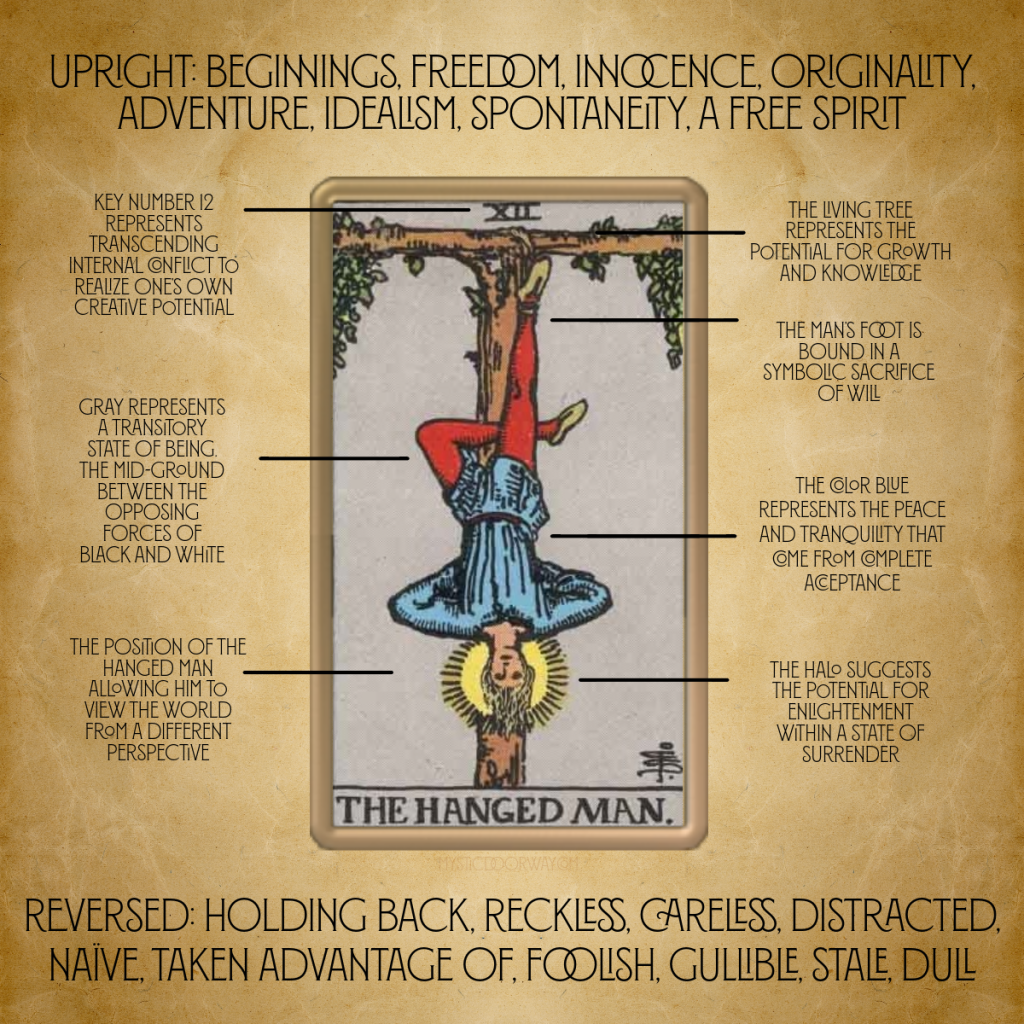
As we delve into the inverted position of The Hanged Man, we must consider its broader implications. The Hanged Man upright signifies suspension, reflection, and the willingness to embrace a pause for contemplation. Conversely, when tilted, it embodies a possible resistance to the transformative power of stillness and introspection. In the Christian tradition, this rebellion against divine timing can serve as a poignant reminder of the perils that accompany a life lacking in patience. Are we too often rushing through life, neglecting to heed the meditative messages encoded within our experiences?
At its core, the upside-down Hanged Man calls attention to actions born from impatience or hasty decision-making. Within Christianity, this notion resonates profoundly. The Bible teaches the virtue of waiting on the Lord (Isaiah 40:31). When interpreted through the lens of faith, the Hanged Man reversed suggests a deviation from the path of spiritual growth, capturing the inner conflict between our desires and divine purpose. Are we, perhaps, seeking immediate rewards instead of the lasting peace that comes through unwavering faith?
In this sensibility of discontent, we often find ourselves in a detrimental cycle of stagnation. The challenge posed by the reversed Hanged Man undeniably exists; it invites us to confront the inverse reflection of what it means to be spiritually awake. When one behaves with a lack of foresight or insight, they might miss the inherent lessons in trial and error. In Christianity, we are reminded that trials yield perseverance (James 1:2–4). The upside-down Hanged Man challenges the believer to recognize that perhaps, in the swirl of chaos, there is an invitation to cultivate virtue through adversity.
Moreover, this card’s inverted position suggests an inherent dichotomy. The Hanged Man reversed often connotes disillusionment with the norms and structures surrounding us. This sentiment finds sympathy in the Christian doctrine that emphasizes worldly discontent as a preparation for eternal communion with God. The apostle Paul emphasizes in Philippians 3:20 that our citizenship is in heaven — a crucial reminder that we are merely passing through this earthly realm. In essence, the playful question lingers: “Are we allowing ourselves to feel the weight of earthly distractions, or are we diligently seeking the divine amidst the mundane?”
Additionally, the inverted card can reflect feelings of being caught in a suspension state or a feeling of isolation from the sanctity of community. The Christian faith thrives in communal support; thus, an inverted Hanged Man can serve as a cautionary symbol of withdrawing from fellowship and accountability. During challenging times, the body of Christ encourages mutual edification. To encounter the Hanged Man upside down could indicate the need to embrace connection and resist the temptation of solitude that distances us from God’s protective embrace.
As various narratives unfold, the reversed Hanged Man also suggests an excess of surrender to negativity; in essence, surrendering without purpose. The Brown academic framework elucidates that surrender in Christianity is not merely about yielding to circumstances but surrendering to God’s will. This nuanced differentiation encapsulates a vital challenge. The question remains: Are we relinquishing control with earnestness for divine guidance, or merely relinquishing ourselves to despair without enlightenment?
Interestingly, the Hanged Man inverted can be a potent prompt towards action. One of the core tenets of Christianity is the call to be active in one’s faith. The crossed perspective of suspension can illuminate pathways of service and engagement. Rather than freezing in fear or indecision, believers are invited to recollect their purpose; the upside-down card embodies a call to transform inertia into inspiration. How can we convert our reflections into actions that align with God’s will?
Furthermore, viewing this card through a transformational lens opens a door to spiritual renewal. The adversities encapsulated in the reversed Hanged Man invite personal introspection and an eventual awakening that is quintessential to Christian maturity. This progressive realization instills us with resilience, urging a paradigm shift. By confronting our apprehensions regarding stillness and reflection, we can engage in a genuine process of metamorphosis.
In conclusion, The Hanged Man upside down exemplifies a robust tapestry woven with threads of challenge and opportunity. It dares individuals to confront the complexities of their spiritual journeys while championing the necessity of patience and community. The resonance of this card places an emphasis on understanding the intricate balance of surrender — discerning when to yield to divine timing while avoiding the descent into apathy or despair. As we navigate the labyrinth of life’s dilemmas, we are reminded to embrace reflection, maintain community, and actively pursue our spiritual growth. Could it be that the path to understanding lies in our willingness to embrace life’s uncertainties with faith and patience?
FAQ
What does the Hanged Man reversed symbolize?
The Hanged Man reversed symbolizes impatience, resistance to change, and the need for introspection.
How can the Hanged Man upside down relate to Christian teachings?
It reflects themes of surrender to divine timing, the value of patience, and the importance of community support.
Leave a Reply