Short Answer
Have you ever wondered what happens when two iconic figures from art history—Lady Justice and the Last Judgment—collide in a single composition? This guide explores the fascinating interplay between these two powerful themes, their symbolic meanings, and how artists have reimagined them in modern interpretations. Whether you’re an art enthusiast, a creative seeking inspiration, or simply curious about the evolution of these timeless motifs, you’ll discover key insights into their poses, narratives, and the challenges they present to both viewers and creators.
The Symbolism of Lady Justice: A Timeless Icon
Lady Justice, often depicted as a robed woman holding scales and a sword, is a symbol of fairness, impartiality, and the rule of law. Her origins trace back to ancient Greek and Roman mythology, where she was associated with Themis, the goddess of divine law. The scales represent the balance between right and wrong, while the blindfold—though not always present in early depictions—symbolizes objectivity, ensuring that justice is meted out without bias. The sword, often held aloft, signifies the power to enforce decisions and the swiftness of justice.
In modern interpretations, artists have played with these elements, sometimes omitting the blindfold to emphasize vigilance or altering the sword’s position to convey different themes. For instance, in the first image, the artist PyroNympho reimagines Lady Justice with a dramatic, almost ethereal presence, blending classical symbolism with contemporary aesthetics. The pose—whether stern or serene—invites viewers to reflect on the weight of her role in society.

But here’s a playful question: If Lady Justice were to step out of her courtroom and into a scene of divine reckoning, how would her presence alter the narrative of the Last Judgment? Would she weigh the souls alongside the scales, or would her sword clash with the traditional imagery of judgment?
The Last Judgment: A Theatrical Finale of Morality
The Last Judgment is a cornerstone of Christian iconography, depicting the final separation of the righteous and the wicked at the end of time. Traditionally, it features Christ in a position of authority, often surrounded by saints, angels, and the resurrected dead. The scene is charged with drama—some figures ascend to heaven in bliss, while others are cast into the depths of hell, their expressions contorted in despair. Artists like Michelangelo and Jan van Eyck have immortalized this theme with breathtaking detail, using light, shadow, and composition to evoke awe and trepidation.
In the second image by AutumsMoon, the Last Judgment is rendered with a softer, more ethereal touch. The figures are less rigid, their poses suggesting a fluid transition between earthly suffering and heavenly redemption. The use of color and light creates a dreamlike atmosphere, challenging the viewer to question whether judgment is an act of wrath or mercy. This interpretation invites us to consider the emotional weight of the scene—how does the portrayal of suffering and salvation influence our perception of divine justice?

Yet, the Last Judgment isn’t just about punishment—it’s a narrative of hope. The challenge for artists lies in balancing terror and transcendence, ensuring that the scene resonates with both fear and faith. How would you depict this duality if you were to create your own version?
Blending Themes: The Creative Challenge of Merging Lady Justice and the Last Judgment
Merging Lady Justice with the Last Judgment is a bold artistic experiment that pushes the boundaries of traditional iconography. The juxtaposition raises intriguing questions: Could Lady Justice preside over the divine court, ensuring fairness in the afterlife? Would her scales measure the deeds of the dead, or would her sword symbolize the final verdict? Artists who attempt this fusion must navigate the tension between secular justice and religious judgment, creating a dialogue between human law and divine law.
Consider the third image from Alamy, which presents a more conventional depiction of the Last Judgment. Here, the absence of Lady Justice allows the scene to focus solely on the cosmic drama of salvation and damnation. Yet, this very absence opens the door for creative reinterpretation. Imagine a version where Lady Justice stands beside Christ, her scales hovering over the scales of judgment, or where her blindfold is lifted to reveal a gaze that pierces through the veil of time.
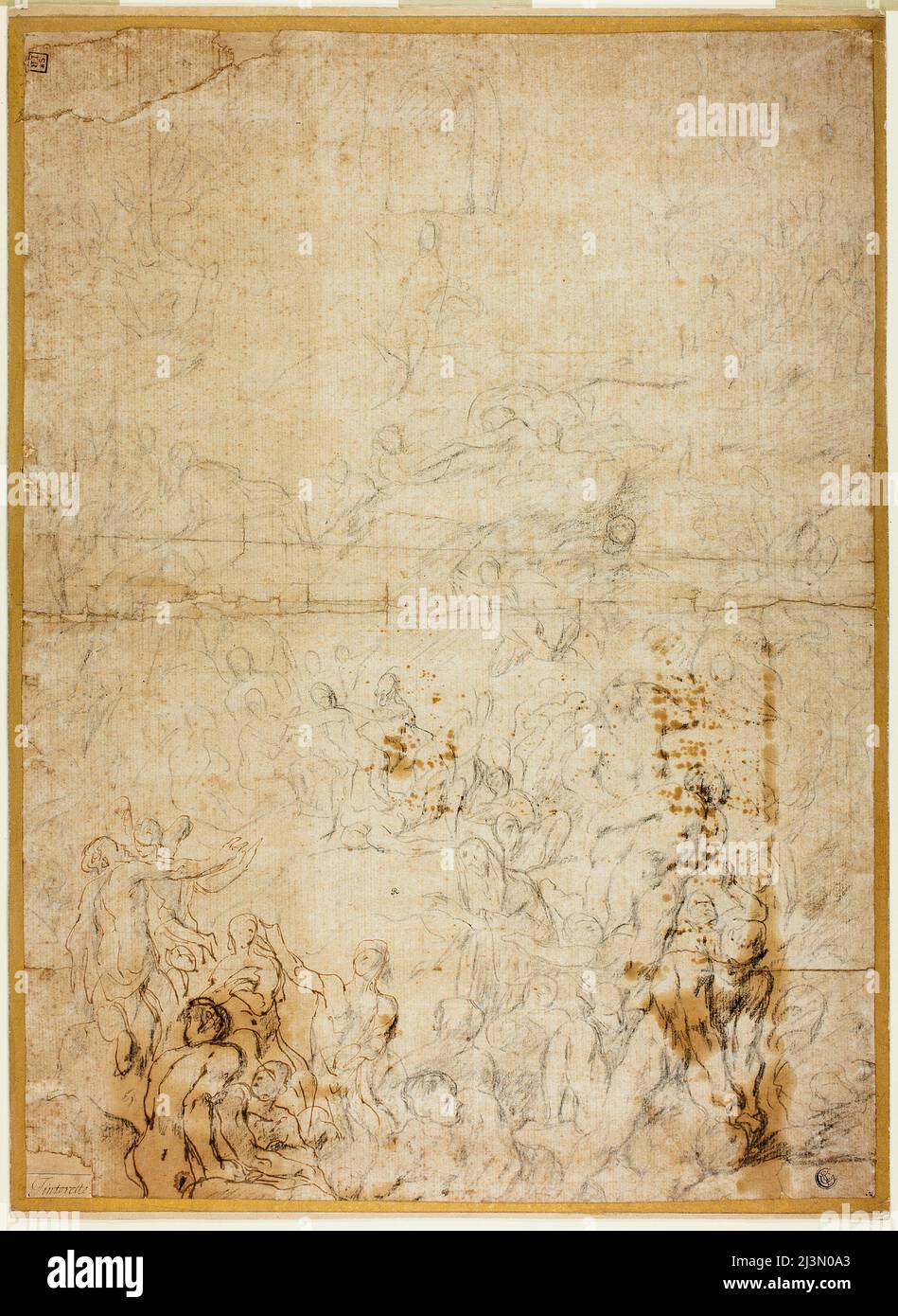
The challenge for artists is not just in composition but in storytelling. How do you convey the weight of eternity while keeping the scene accessible? How do you make the abstract tangible? These are the questions that make this fusion a compelling subject for both creators and audiences alike.
The Role of Poses: Conveying Meaning Through Body Language
Poses are the silent language of art, communicating emotions, power dynamics, and narrative intent without a single word. In the context of Lady Justice and the Last Judgment, poses can amplify the themes of authority, suffering, and redemption. For example, a figure with outstretched arms might symbolize welcome or condemnation, depending on the context. A clenched fist could represent defiance or despair, while an open palm might signify mercy or judgment.
In the works discussed, the artists use poses to guide the viewer’s emotional response. PyroNympho’s Lady Justice stands with a commanding presence, her posture exuding confidence and control. In contrast, AutumsMoon’s figures are often depicted in moments of transition—some reaching upward, others recoiling in fear—highlighting the fluidity of their fates. The challenge for any artist attempting this fusion is to choreograph these poses in a way that feels cohesive and meaningful, ensuring that each gesture contributes to the overarching narrative.
For the viewer, analyzing these poses becomes an exercise in empathy. How does the artist’s choice of posture make you feel? Does it evoke a sense of justice served, or does it leave you questioning the fairness of the outcome? These are the nuances that elevate the artwork from mere illustration to a profound commentary on morality and existence.
Conclusion: A Dialogue Between Justice and Judgment
The interplay between Lady Justice and the Last Judgment is more than a stylistic choice—it’s a conversation between two fundamental concepts that shape human society: the law and the divine. By exploring their visual and thematic intersections, artists invite us to reflect on the nature of fairness, the consequences of our actions, and the possibility of redemption. Whether through the stern gaze of a robed figure or the dramatic tableau of a cosmic reckoning, these themes continue to captivate and challenge us.
As you engage with these artworks, consider the questions they pose: Can justice and judgment coexist? How would you reimagine these themes in your own creative work? The beauty of art lies in its ability to provoke thought and inspire new perspectives, and the fusion of Lady Justice with the Last Judgment is a testament to that power. So, the next time you encounter these icons—whether in a museum, a digital gallery, or a modern reinterpretation—take a moment to ponder their stories and the questions they leave unanswered.
FAQ
What is the significance of Lady Justice in art?
Lady Justice symbolizes fairness, impartiality, and the rule of law, often depicted with scales and a sword.
How does the Last Judgment relate to justice?
The Last Judgment represents the final separation of the righteous and the wicked, highlighting themes of divine justice and morality.
Leave a Reply