Short Answer
Welcome to this comprehensive guide on The Magician in Hindi – जादूगर का अर्थ. Whether you’re a language enthusiast, a literature lover, or someone curious about the cultural significance of magic in Hindi traditions, this article will provide deep insights. Here, you’ll explore the meaning of “जादूगर” (magician), its cultural roots, literary representations, and much more. By the end, you’ll have a well-rounded understanding of how magic and mysticism are woven into Hindi language and storytelling.
Understanding the Term: जादूगर (Magician) in Hindi
The word जादूगर (jādūgar) in Hindi directly translates to “magician” in English. It refers to a person who practices magic, often associated with supernatural abilities, illusions, or mystical arts. In Hindi culture, the term carries both literal and metaphorical meanings. Literally, it denotes someone who performs tricks or feats that defy natural laws. Metaphorically, it can describe a person who has an enchanting or captivating influence over others, much like the spellbinding nature of magic itself.
The root of the word comes from जादू (jādū), meaning “magic” or “spell,” and the suffix -गर (-gar), which denotes a doer or practitioner. Thus, a जादूगर is someone who “does magic.” This term is widely used in literature, folklore, and everyday language to describe individuals who possess or are believed to possess magical powers.
Cultural Significance of Magic in Hindi Traditions
Magic holds a special place in Hindi culture, deeply rooted in ancient traditions, mythology, and religious texts. The concept of magic is not merely about entertainment but is often intertwined with spirituality, healing, and divine intervention. In Hindu mythology, sages and rishis are often depicted as possessing magical powers, known as माया (māyā) or ऐन्द्रजालिक (aindrajālik), which they use for both benevolent and malevolent purposes.
One of the most famous examples is the character of नारद (Narad), a divine sage known for his magical abilities to travel between realms and spread knowledge or discord. Similarly, the असुर (asura) or demons in Hindu epics like the रामायण (Ramayana) and महाभारत (Mahabharata) often use magic to challenge the gods. These narratives highlight the dual nature of magic—it can be a tool for enlightenment or a weapon for deception.
In folk traditions, जादूगर are often portrayed as wise healers or tricksters who use their powers to protect villages or outwit evil forces. Stories of local magicians who could summon rain, cure illnesses, or predict the future are common in rural India, reflecting the community’s reverence for mystical knowledge.
Literary Representations of Magicians in Hindi
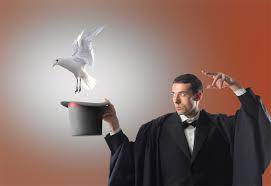
Hindi literature is rich with stories, poems, and plays that feature magicians as central characters. These literary works explore themes of illusion, reality, morality, and the human fascination with the supernatural. One notable example is the poem जादूगर पर कविता (Poem on Magician), which captures the essence of a magician’s life and the awe they inspire in society. Such poems often describe the magician as a mysterious figure who can transform the ordinary into the extraordinary.
In modern Hindi literature, authors like Premchand and Harishankar Parsai have used the motif of the magician to critique societal norms or highlight human follies. For instance, a story might feature a magician who exposes the greed or hypocrisy of a village, using his tricks as a metaphor for truth. These narratives serve as a lens to examine human nature and the complexities of life.
Additionally, Hindi cinema and television have popularized the image of the magician through films like जादूगर (1989), starring Rajinikanth, and serials that depict magical quests and battles between good and evil. These visual mediums have further cemented the magician’s role as a symbol of wonder and adventure in popular culture.
Types of Magic Practiced by जादूगर
The practices of a जादूगर vary widely, encompassing both traditional and modern forms of magic. Here are some of the key types of magic associated with Hindi culture:
- Black Magic (काला जादू): Often feared and associated with dark rituals, black magic is believed to harness supernatural forces for harmful purposes, such as cursing enemies or causing misfortune. Practitioners of black magic are sometimes referred to as टोना-टोटका करने वाले (tōnā-ṭōṭakā karne wālē).
- White Magic (सफेद जादू): Contrary to black magic, white magic is used for healing, protection, and positive outcomes. It includes practices like होम (hom), पूजा (puja), and मंत्र (mantra) to invoke divine blessings.
- Folk Magic (लोक जादू): This includes local traditions and rituals passed down through generations. Examples include नजर उतारना (nazar utārnā, removing the evil eye) and जड़ी-बूटी (jadī-būṭī, herbal remedies) used by village healers.
- Stage Magic (मंचीय जादू): Popularized by performers who entertain audiences with illusions, sleight of hand, and trickery. This form of magic is purely for entertainment and does not claim to have supernatural origins.
- Astrological Magic (ज्योतिषीय जादू): Based on astrological principles, this involves using planetary positions and zodiac signs to predict outcomes or perform rituals for specific purposes, such as marriage or business success.
Famous Magicians and Their Legacies in Hindi Culture
Several historical and legendary figures have left an indelible mark on the perception of magicians in Hindi culture. One such figure is गुरु गोबिंद सिंह (Guru Gobind Singh), the tenth Sikh Guru, who is said to have performed miracles and used his spiritual powers to guide his followers. His life story is filled with instances of divine intervention, making him a revered figure in Sikh and broader Hindi traditions.
In the realm of folklore, the story of तन्त्र-मन्त्र (tantra-mantra) practitioners, such as गोरखनाथ (Gorakhnath), is legendary. Gorakhnath is considered the founder of the Nath tradition, which combines yoga, alchemy, and magic. His teachings and miracles are still celebrated in many parts of India, particularly in regions where the Nath sect has a strong presence.
Modern-day magicians like PC Sorcar, a renowned Indian magician, have also contributed to the popularity of magic in Hindi culture. Sorcar’s performances, which blend traditional Indian magic with contemporary illusions, have entertained audiences across the country and abroad, inspiring a new generation of magicians.
Magicians in Hindi Proverbs and Sayings
Magic and magicians are not just confined to stories and rituals; they also permeate everyday Hindi language through proverbs and idioms. These expressions often use the imagery of magic to convey deeper truths or humorous observations. For example:
- जादू चलाना (jādū chalānā): To cast a spell or influence someone magically. It can also mean to charm or captivate someone.
- जादू टूटना (jādū ṭūṭnā): When the magic wears off or the illusion is broken. Figuratively, it means the end of a spellbinding effect or the realization of a deception.
- जादू की छड़ी (jādū kī chhaṛī): A magic wand. This phrase is often used metaphorically to describe something that can instantly solve a problem or bring about a desired change.
- जादूगर का खेल (jādūgar kā khel): A magician’s trick. It refers to something that appears magical or impossible but is actually a clever deception.
These sayings reflect the cultural significance of magic in Hindi society, where the line between reality and illusion is often blurred in both literal and metaphorical contexts.
Modern Interpretations and the Future of Magic in Hindi Culture
In contemporary times, the role of the magician in Hindi culture has evolved. While traditional forms of magic continue to thrive, modern magicians are exploring new avenues such as mentalism, escapology, and digital illusions. The rise of social media has also given birth to a new generation of “influencer magicians” who use platforms like YouTube and Instagram to showcase their skills and reach global audiences.
Moreover, the theme of magic is increasingly being used in Hindi literature and cinema to explore complex themes such as identity, power, and the human psyche. For instance, novels and films often feature protagonists who use magic as a metaphor for overcoming personal struggles or societal barriers. This modern reinterpretation keeps the tradition of magic alive while making it relevant to contemporary audiences.
The future of magic in Hindi culture looks promising, with a blend of tradition and innovation. As long as stories of wonder, mystery, and enchantment continue to captivate the imagination, the figure of the जादूगर will remain a cherished and enduring symbol in Hindi heritage.
Conclusion
The concept of the magician in Hindi culture is far more than a simple entertainer or a practitioner of tricks. It embodies a rich tapestry of mythology, spirituality, folklore, and modern creativity. From the revered sages of ancient texts to the street performers of rural villages, the जादूगर has played a pivotal role in shaping Hindi traditions and storytelling.
Through this guide, you’ve explored the linguistic roots of the term, its cultural significance, literary representations, and the various forms of magic practiced in Hindi society. You’ve also seen how magic continues to evolve, finding new expressions in modern media and literature. Whether you’re drawn to the mystical allure of ancient rituals or the dazzling illusions of stage performances, the world of the जादूगर offers endless fascination and wonder.
As you delve deeper into Hindi culture, keep an eye out for the subtle traces of magic in everyday language, art, and traditions. The legacy of the magician is not just a relic of the past but a living, breathing part of a vibrant cultural heritage that continues to inspire and enchant.
FAQ
What does जादूगर mean in Hindi?
जादूगर (jādūgar) means magician in Hindi, referring to someone who practices magic or mystical arts.
What are the main types of magic practiced by जादूगर?
The main types include Black Magic (काला जादू), White Magic (सफेद जादू), Folk Magic (लोक जादू), Stage Magic (मंचीय जादू), and Astrological Magic (ज्योतिषीय जादू).
How is magic viewed in Hindi culture?
Magic is intertwined with spirituality, healing, folklore, and mythology, serving both benevolent and malevolent purposes.
Who are some notable magicians in Hindi culture?
Notable figures include Guru Gobind Singh, Gorakhnath, and the modern magician PC Sorcar.
Leave a Reply