Short Answer
Tarot cards have captivated minds for centuries, blending art, symbolism, and mysticism into a single deck. Whether you’re a curious beginner or a seasoned enthusiast, understanding the meanings of all tarot cards can unlock profound insights into life’s challenges, opportunities, and hidden truths. This comprehensive guide explores the complete set of tarot cards, breaking down their individual and collective significance while addressing why these ancient symbols continue to resonate so deeply in modern times.
The Structure of a Tarot Deck: Major and Minor Arcana
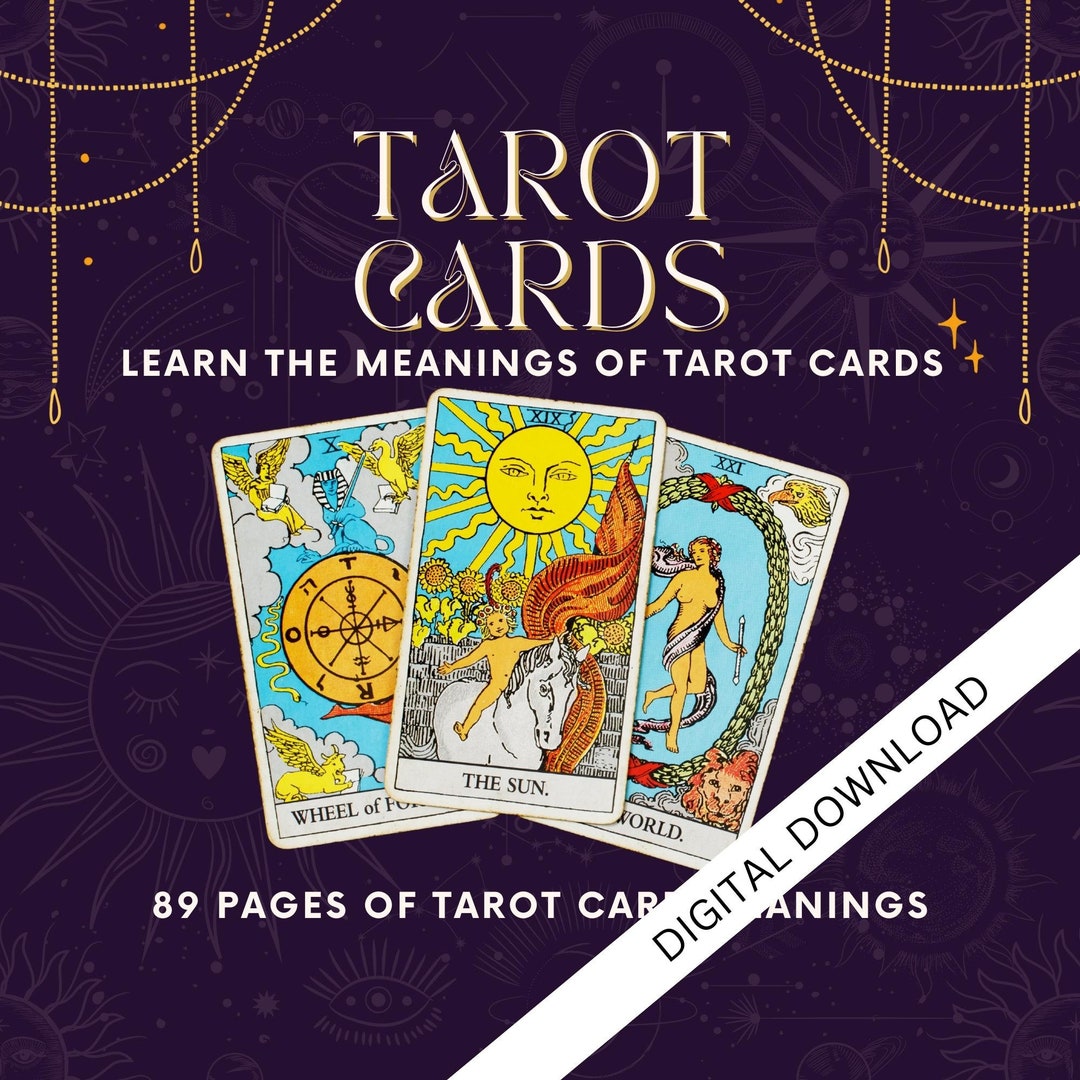
A standard tarot deck consists of 78 cards divided into two main groups: the Major Arcana and the Minor Arcana. The Major Arcana contains 22 cards, each representing significant life events, spiritual lessons, or karmic influences. These cards, such as The Fool, The Lovers, and Death, often depict archetypal figures and universal themes that transcend personal experiences. They serve as a roadmap for personal growth, highlighting pivotal moments and the soul’s journey.
The Minor Arcana, on the other hand, consists of 56 cards divided into four suits—Cups, Pentacles, Swords, and Wands—each corresponding to an element (water, earth, air, and fire, respectively). These cards delve into the everyday aspects of life, offering insights into relationships, finances, challenges, and creative pursuits. While the Major Arcana speaks to grand narratives, the Minor Arcana reflects the nuances of daily existence, making tarot a versatile tool for self-reflection and guidance.
Why the Tarot Fascinates: A Psychological and Spiritual Perspective
The enduring allure of tarot cards lies in their ability to mirror the human experience. Psychologists like Carl Jung recognized tarot as a tool for accessing the collective unconscious, where archetypes and universal symbols reside. When drawn, tarot cards act as a mirror, reflecting subconscious thoughts, emotions, and patterns that might otherwise remain hidden. This makes tarot not just a divination tool but a therapeutic instrument for self-discovery.
Spiritually, tarot is often seen as a bridge between the material and the metaphysical. Many believe the cards channel higher wisdom or divine guidance, offering clarity in times of uncertainty. The symbolic language of tarot transcends cultural and linguistic barriers, making it a universal language of the soul. This universality explains why people from all walks of life turn to tarot for answers, whether seeking love, career advice, or personal transformation.
Another reason for tarot’s fascination is its adaptability. Unlike rigid belief systems, tarot can be interpreted in countless ways, allowing individuals to tailor its messages to their unique circumstances. This flexibility ensures that the cards remain relevant across generations, evolving with the seeker’s needs and questions.
Decoding the Major Arcana: The Soul’s Journey Unveiled
The Major Arcana cards tell a story of spiritual evolution, beginning with The Fool (Card 0) and culminating with The World (Card 21). Each card represents a stage in the journey toward enlightenment, with themes ranging from innocence and spontaneity to transformation and completion. For example:
- The Magician (Card I): Represents manifestation, skill, and resourcefulness. It encourages harnessing one’s talents to create change.
- The High Priestess (Card II): Symbolizes intuition, mystery, and the subconscious mind. It urges listeners to trust their inner voice.
- The Tower (Card XVI): Depicts sudden upheaval and revelation. It signifies the collapse of illusions, paving the way for growth.
- The Star (Card XVII): Embodies hope, inspiration, and healing. It reminds seekers of their connection to the universe and inner light.
Understanding the Major Arcana provides a holistic view of life’s cycles, helping individuals recognize patterns and embrace change with greater awareness.

Exploring the Minor Arcana: The Nuts and Bolts of Daily Life
The Minor Arcana cards are often overlooked but are equally vital in tarot readings. They provide context and detail, much like the chapters of a book that flesh out the broader narrative. Each suit in the Minor Arcana corresponds to a different aspect of life:
- Cups (Water): Govern emotions, relationships, and creativity. Cards like the Three of Cups celebrate joy and connection, while the Five of Cups highlights loss and healing.
- Pentacles (Earth): Relate to finances, career, and material stability. The Ten of Pentacles, for instance, signifies legacy and abundance, while the Page of Pentacles suggests new opportunities in practical matters.
- Swords (Air): Deal with intellect, conflict, and communication. The Ace of Swords represents clarity and truth, while the Three of Swords warns of heartache and miscommunication.
- Wands (Fire): Focus on passion, ambition, and personal growth. The Six of Wands celebrates success and recognition, while the Eight of Wands indicates swift movement and progress.
Mastering the Minor Arcana allows for more nuanced interpretations, revealing the subtleties of everyday experiences and guiding practical decision-making.
Common Misconceptions About Tarot Cards
Despite their popularity, tarot cards are often shrouded in misconceptions. One of the most pervasive is the belief that tarot predicts the future with absolute certainty. In reality, tarot offers guidance and potential outcomes based on current energies and choices. It empowers individuals to make informed decisions rather than passively accepting a predetermined fate.
Another myth is that tarot is inherently “dark” or associated with evil. While some cards, like The Devil or The Tower, may depict challenging themes, they ultimately serve as catalysts for transformation. Tarot is a neutral tool—its morality depends on the reader’s intent and the seeker’s perspective.
Lastly, many assume tarot requires psychic abilities to interpret accurately. While intuition plays a role, tarot is accessible to anyone willing to study its symbolism and practice. Over time, readers develop their unique insights, blending traditional meanings with personal intuition.
How to Use Tarot for Self-Reflection and Growth
Tarot is most effective when used as a tool for introspection rather than a crutch for decision-making. Here’s how to integrate tarot into your daily life:
- Daily Draws: Pull a single card each morning to set an intention or reflect on the day ahead. This practice fosters mindfulness and awareness.
- Journaling: Record your interpretations of each card and note any recurring themes. Over time, you’ll identify personal patterns and areas for growth.
- Meditation: Focus on a specific card during meditation to explore its deeper meanings and how it applies to your life.
- Spreads: Use structured spreads, like the Celtic Cross, to explore complex questions or situations. Spreads provide a framework for organizing your thoughts and insights.
Remember, tarot is a conversation between you and your subconscious. The cards don’t hold all the answers—they simply reflect what’s already within you, waiting to be acknowledged.

Conclusion
The tarot deck is a mirror to the human experience, offering a blend of ancient wisdom and modern relevance. By understanding the meanings of all tarot cards—both Major and Minor Arcana—you gain a powerful tool for navigating life’s complexities with clarity and confidence. Whether you’re drawn to tarot for spiritual growth, psychological insight, or creative inspiration, its symbols provide a language to articulate the inexpressible.
The fascination with tarot endures because it speaks to universal truths: the search for meaning, the inevitability of change, and the power of self-awareness. As you explore the cards, you’ll discover that tarot is less about predicting the future and more about illuminating the present. It invites you to listen deeply—to yourself and the universe—and to trust in the journey, one card at a time.
FAQ
What are tarot cards?
Tarot cards are a deck of cards used for divination, self-reflection, and gaining insights into personal situations.
How many cards are in a standard tarot deck?
A standard tarot deck consists of 78 cards, divided into Major and Minor Arcana.
What is the difference between Major and Minor Arcana?
The Major Arcana consists of 22 cards representing significant life events, while the Minor Arcana includes 56 cards that focus on daily experiences.
Leave a Reply