Short Answer
Welcome to your ultimate guide to the meanings of every tarot card. Whether you’re a beginner seeking foundational knowledge or an experienced reader looking to deepen your understanding, this comprehensive resource will illuminate the symbolism, interpretations, and practical applications of all 78 tarot cards. You’ll explore the Major Arcana’s profound life themes, the nuanced personalities of the Minor Arcana suits, and the dynamic interactions between cards in readings. By the end, you’ll have the tools to interpret spreads with confidence and uncover the wisdom tarot offers.
The Structure of the Tarot Deck
The tarot deck is divided into two main sections: the Major Arcana and the Minor Arcana. The Major Arcana consists of 22 cards, each representing significant life events, spiritual lessons, or archetypal energies. These cards often signify major turning points or karmic influences. The Minor Arcana contains 56 cards divided into four suits—Wands, Cups, Swords, and Pentacles—each reflecting everyday experiences, challenges, and opportunities. Understanding this structure is essential for interpreting how broader themes (Major Arcana) interact with daily life (Minor Arcana).
Major Arcana: The Fool’s Journey
The Major Arcana cards tell the story of The Fool’s Journey, a metaphorical path from innocence (The Fool) to enlightenment (The World). Each card represents a stage in this journey, offering insights into personal growth, transformation, and spiritual evolution. For example, The Magician symbolizes manifestation and resourcefulness, while The High Priestess embodies intuition and hidden knowledge. These cards often appear in readings to highlight pivotal moments or lessons. Learning their sequence and symbolism helps you recognize patterns in your life and the universe’s guidance.

Minor Arcana: The Four Suits and Their Meanings
The Minor Arcana delves into the practical aspects of life, with each suit governed by an elemental energy. Wands (Fire) relate to creativity, passion, and ambition; Cups (Water) govern emotions, relationships, and intuition; Swords (Air) represent intellect, conflict, and communication; and Pentacles (Earth) focus on material wealth, work, and stability. Each suit contains 14 cards: Ace through 10, plus four court cards (Page, Knight, Queen, King). The numbers and court cards add layers of meaning, from new beginnings (Aces) to mastery (Kings). Mastering the Minor Arcana allows you to interpret everyday situations with precision.

Court Cards: Personalities and Roles
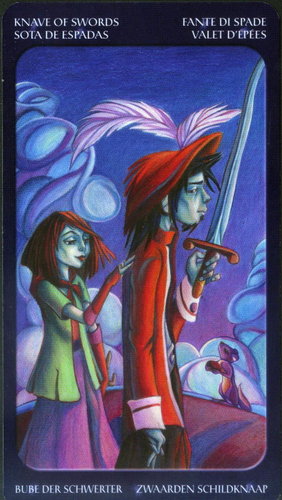
Court cards in the Minor Arcana represent people, energies, or aspects of yourself. The Page embodies curiosity and potential, the Knight signifies action and movement, the Queen reflects nurturing or receptive energy, and the King represents authority and mastery. Each court card can also symbolize situations or traits. For example, the Knight of Swords might indicate a fast-moving idea or impulsive behavior, while the Queen of Cups suggests emotional depth and compassion. Understanding court cards enhances your ability to read for others and recognize archetypal influences in your life.
Reversed Cards: Challenging or Blocked Energy
Tarot cards can appear reversed (upside down) in a spread, indicating blocked, internalized, or challenging aspects of the card’s energy. For instance, the reversed Three of Cups might suggest superficial relationships or unresolved emotions, while the reversed Chariot could point to a lack of direction or control. Reversals aren’t inherently negative; they often highlight areas for growth or caution. Learning to interpret reversed cards adds depth to your readings, revealing hidden obstacles or subconscious influences.

Reading Tarot Cards in Combination
No tarot card exists in isolation—its meaning shifts based on surrounding cards, the question asked, and the reader’s intuition. For example, the Death card in a career spread might indicate transformation rather than literal loss, while the Ten of Pentacles paired with the Emperor could suggest financial stability through leadership. Spreads like the Celtic Cross or simple three-card layouts (past-present-future) help contextualize cards. Pay attention to patterns, such as repeated suits or numbers, as they often highlight key themes in a reading.
Practical Tips for Learning Tarot
Start by studying one card at a time, noting its imagery, symbolism, and traditional meanings. Journaling your observations helps reinforce memory and intuition. Practice daily draws to familiarize yourself with card interactions. Use guidebooks or online resources for reference, but trust your instincts—tarot is a deeply personal tool. Experiment with different spreads and techniques, like timing your draws or focusing on specific questions. Over time, you’ll develop a unique relationship with the cards, blending tradition with your own insights.
Conclusion
Tarot is a mirror to the soul, offering clarity, guidance, and a language to explore life’s complexities. By understanding the Major and Minor Arcana, court cards, reversals, and combinations, you unlock a powerful tool for self-discovery and decision-making. Whether you use tarot for meditation, divination, or creative inspiration, remember that its true magic lies in the questions it prompts and the reflections it inspires. Embrace the journey of learning, and let the cards illuminate your path.
FAQ
What are the Major Arcana cards?
The Major Arcana consists of 22 cards representing significant life events and spiritual lessons.
How do I read tarot cards?
Start by studying one card at a time, noting its imagery and traditional meanings, and practice daily draws.
What does a reversed tarot card mean?
A reversed card may indicate blocked or internalized energy, highlighting areas for growth or caution.
Leave a Reply