Short Answer
Welcome to a journey through the enchanting world of The Minstrel Tarot – The Fool Sings. In this guide, you’ll uncover the rich symbolism, poetic language, and transformative power of this unique tarot deck. Whether you’re a seasoned reader or a curious newcomer, you’ll discover how The Fool’s journey becomes a lyrical adventure, blending mysticism with musical metaphor. Prepare to explore the deck’s artistic depth, its spiritual resonance, and the ways it invites you to harmonize with the rhythms of life.
The Minstrel Tarot: A Symphony of Symbolism
The Minstrel Tarot reimagines the traditional Fool’s journey as a melodic odyssey, where each card resonates with the harmony of sound and spirit. Unlike conventional tarot decks, this one frames The Fool not just as a wanderer but as a wandering minstrel—a storyteller whose songs carry the wisdom of the universe. The deck’s visual language is steeped in medieval and Renaissance imagery, evoking the golden age of troubadours and alchemists. Every illustration is a tapestry of color, texture, and allegory, inviting you to “listen” to the tarot’s messages as much as to interpret them.
The Fool card itself is a masterpiece of contrast: a carefree figure stepping off a cliff, yet surrounded by a halo of musical notes. This juxtaposition underscores the deck’s core theme—the balance between chaos and order, spontaneity and structure. The minstrel’s instrument, whether a lute, flute, or drum, becomes a bridge between the mundane and the divine, suggesting that life’s greatest lessons are often found in the spaces between the notes.
The Language of Music in Tarot Interpretation
In The Minstrel Tarot, the act of reading is akin to composing a symphony. Each card’s energy is a musical note, and the spread becomes a melody that unfolds across the table. For example, The Magician might appear as a virtuoso conductor, orchestrating the elements with precision, while The High Priestess hums a haunting melody, her secrets whispered through the strings of a harp. This musical framework transforms traditional tarot interpretations into something visceral and alive, where intuition is as vital as intellect.
The deck encourages readers to engage with the cards on a sensory level. Ask yourself: What rhythm does this card evoke? Is it a staccato of sudden change or a legato of slow, deliberate growth? The Fool’s song, for instance, is often playful and unpredictable, like a folk tune that dances between joy and melancholy. By tuning into these auditory metaphors, you deepen your connection to the cards and unlock layers of meaning that static imagery alone cannot convey.
Artistic Highlights: The Visual Poetry of the Deck
The Minstrel Tarot’s artwork is a feast for the eyes, blending intricate details with sweeping, dreamlike landscapes. The Fool card’s cliffside setting is not just a visual motif but a metaphor for leaping into the unknown—arms outstretched, instrument in hand, ready to sing the song of a new beginning. Other cards, like The Lovers, depict a couple entwined in a dance, their bodies forming the shape of a heart, while The Tower crumbles in a cacophony of shattered glass and discordant notes, symbolizing the shattering of old illusions to make way for harmony.
One of the deck’s most striking features is its use of color to convey emotion. Warm golds and reds dominate the Major Arcana, evoking passion and vitality, while cooler blues and purples in the Minor Arcana suggest introspection and depth. The court cards are particularly evocative: the Page of Cups might appear as a young musician cradling a chalice, his eyes alight with wonder, while the Queen of Swords could be a stern but wise conductor, her baton poised like a blade. These visual cues invite you to “hear” the cards before you even speak their names.
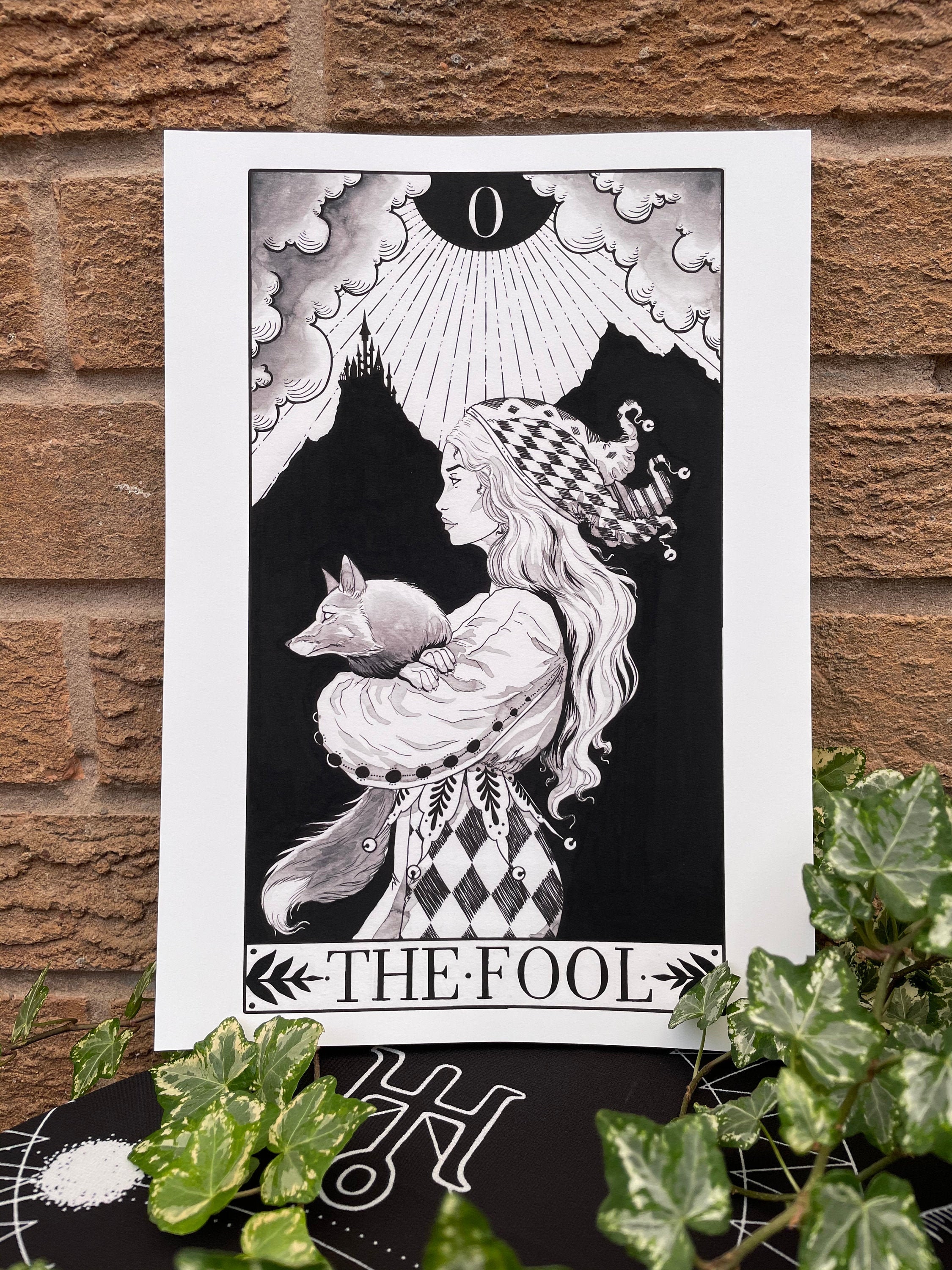
Another standout is the deck’s use of medieval and Renaissance iconography. References to alchemy, astrology, and folklore are woven into the imagery, creating a tapestry of esoteric wisdom. The Wheel of Fortune, for instance, is not just a spinning wheel but a grand, ornate instrument, its spokes forming the phases of the moon, while The Hermit’s lantern casts a glow that illuminates a path of musical notation. These details reward close study, revealing new insights with each viewing.
Spiritual Resonance: The Fool’s Song as a Metaphor for Life
At its heart, The Minstrel Tarot is a spiritual guide, framing existence as a grand performance where each soul is both the composer and the performer. The Fool’s journey is not just a path of discovery but a quest to find one’s unique voice. The deck suggests that life’s challenges are like dissonant chords—uncomfortable at first, but essential for creating a richer, more resonant melody. Cards like The Hanged Man, suspended upside down in a moment of stillness, become a reminder that sometimes, the most beautiful music comes from surrender.
The deck also emphasizes the interplay between individuality and community. The Fool’s song is personal, but it’s meant to be shared. Cards like The Star and The Moon speak to the universal longing for connection, while The Sun radiates joy, a reminder that even in darkness, there is light to sing about. This duality makes The Minstrel Tarot particularly powerful for those seeking to align their personal path with the greater harmony of the universe.
Practical Applications: Reading with The Minstrel Tarot
Using The Minstrel Tarot in readings is a dynamic experience. The deck’s musical theme lends itself beautifully to intuitive spreads, such as the “Chord Spread,” where each position represents a different note in a musical phrase. For example, the first card might be the melody, the second the harmony, and the third the rhythm, creating a three-dimensional snapshot of a situation. Alternatively, a “Symphony Spread” could involve seven cards, each representing a section of a piece—introduction, verse, chorus, bridge, and so on—allowing you to “hear” the story unfold.
When interpreting the cards, pay attention to the sounds and melodies that come to mind. Does a card evoke the strum of a guitar, the crash of cymbals, or the soft hum of a choir? These auditory cues can guide your interpretation. For instance, The Tower might “sound” like a sudden, jarring chord, signaling upheaval, while The Empress could resonate with the gentle pluck of harp strings, suggesting nurturing and abundance. The deck also encourages you to consider the tempo of a situation—is it a fast-paced jig or a slow, meditative chant?
For those new to tarot, The Minstrel Tarot offers a gentle entry point. The musical metaphor provides a familiar framework for understanding abstract concepts, making it easier to grasp the nuances of each card. For seasoned readers, the deck invites a fresh perspective, challenging you to think beyond traditional interpretations and explore the cards through the lens of rhythm, melody, and harmony.
Conclusion
The Minstrel Tarot – The Fool Sings is more than a deck of cards; it’s an invitation to dance with the divine. Through its rich symbolism, poetic imagery, and musical metaphors, it transforms the tarot into a living, breathing symphony of life’s journey. Whether you’re drawn to its artistic beauty, its spiritual depth, or its playful energy, this deck offers a unique path to self-discovery and connection. As you shuffle the cards and listen to The Fool’s song, remember that you, too, are a minstrel in the grand orchestra of existence—your life is the melody, and the universe is your audience.
FAQ
What is The Minstrel Tarot?
The Minstrel Tarot is a unique tarot deck that blends traditional symbolism with musical metaphors, inviting readers to interpret the cards through sound and rhythm.
How can I use The Minstrel Tarot in readings?
You can use The Minstrel Tarot by engaging with its musical themes, applying intuitive spreads like the ‘Chord Spread’ or ‘Symphony Spread’ to enhance your reading experience.
Leave a Reply