Short Answer
The Philosopher and the Phoenix: A Timeless Symbol of Rebirth and Wisdom explores the profound connection between ancient philosophical thought and the mythological phoenix. This guide delves into the symbolic meanings of the phoenix across cultures, its philosophical interpretations, and why this immortal bird continues to captivate human imagination. By examining its role in mythology, philosophy, and modern thought, you will uncover deeper reasons for humanity’s enduring fascination with this legendary creature. Prepare to explore themes of renewal, wisdom, and the cyclical nature of existence.
The Phoenix in Mythology: A Bird of Immortality
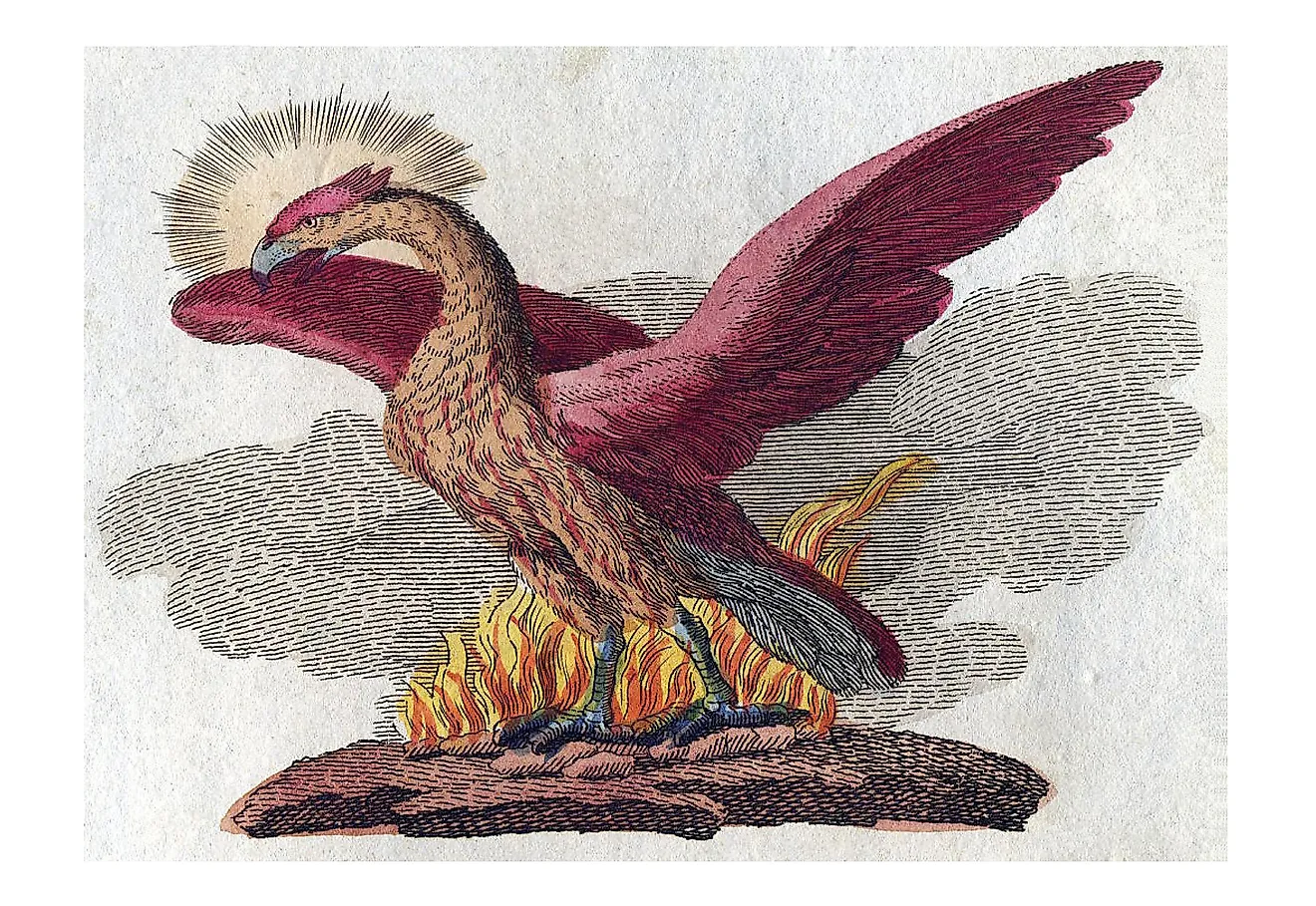
The phoenix is one of the most enduring symbols in world mythology, appearing in cultures from ancient Egypt to medieval Europe. In Greek mythology, the phoenix is a radiant, immortal bird that cyclically regenerates or is reborn. According to legend, it lives for 500 to 1,000 years before burning itself to ashes on a pyre, only to rise again from those ashes as a new, youthful bird. This cycle of death and rebirth has made the phoenix a powerful emblem of renewal and eternal life.
In Egyptian lore, the phoenix is associated with the sun god Ra and the concept of the sun’s daily rebirth. The bird, known as Bennu, was believed to be the soul of Ra and a symbol of creation and regeneration. Similarly, in Chinese mythology, the phoenix (Fenghuang) represents yin and yang, harmony, and the union of masculine and feminine energies. These diverse cultural interpretations highlight the phoenix’s universal appeal as a symbol of transformation and continuity.
Philosophical Interpretations: The Phoenix as a Metaphor for Wisdom
Philosophers throughout history have used the phoenix as a metaphor for the pursuit of wisdom and the cyclical nature of knowledge. The phoenix’s ability to rise from its ashes symbolizes the philosopher’s journey—constantly seeking truth, facing challenges, and emerging wiser. This idea is echoed in the works of thinkers like Heraclitus, who emphasized the inevitability of change and the cyclical nature of existence. The phoenix, in this context, becomes a symbol of intellectual and spiritual renewal.
In medieval and Renaissance thought, the phoenix was often linked to alchemy and the quest for the philosopher’s stone. Alchemists saw the bird as a representation of the transformation of base metals into gold, mirroring the purification of the soul. This philosophical interpretation underscores the phoenix’s role as a bridge between the material and spiritual worlds, embodying the idea that wisdom is not static but evolves through struggle and renewal.
The Phoenix and the Human Condition: Why We Are Drawn to Its Story
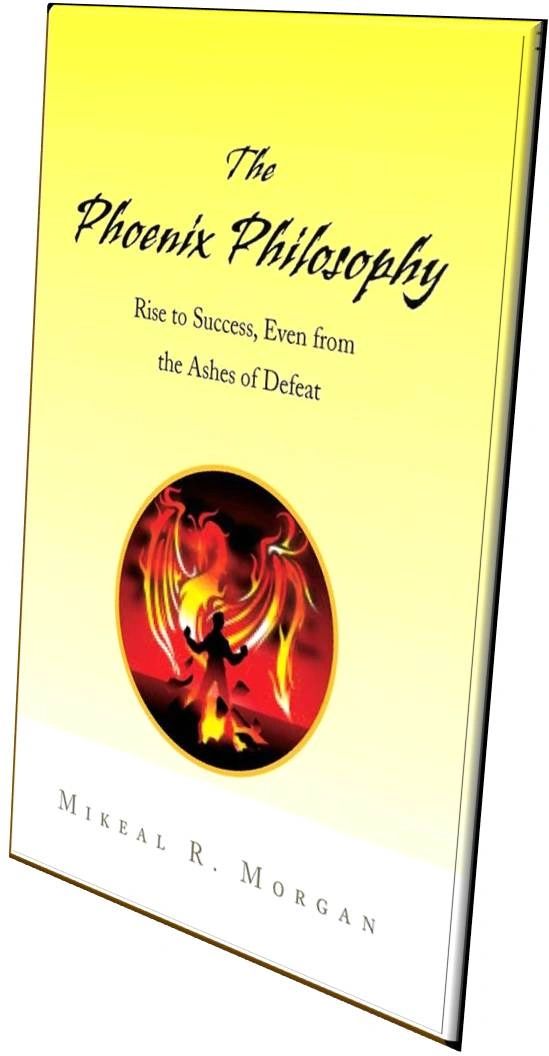
A common observation is that humans are naturally drawn to stories of rebirth and renewal, and the phoenix embodies this fascination perfectly. Unlike other mythical creatures, the phoenix does not simply defy death—it embraces it as part of a greater cycle. This resonates deeply with the human experience, where loss, failure, and hardship are inevitable, yet the possibility of renewal always exists. The phoenix reminds us that even in our darkest moments, transformation is possible.
Psychologically, the phoenix can be seen as a manifestation of the human desire for resilience and hope. Stories of the phoenix often serve as metaphors for personal growth, encouraging individuals to view setbacks as opportunities for reinvention. This is why the phoenix appears in literature, art, and even modern psychology as a symbol of overcoming adversity. Its story is a testament to the indomitable spirit of humanity and our capacity for renewal.

The Phoenix in Modern Thought: From Myth to Motivation
In contemporary culture, the phoenix has transcended its mythological roots to become a symbol of motivation and personal development. The phrase “rise from the ashes” is widely used in self-help literature, business, and even sports to describe overcoming challenges and achieving success. This modern reinterpretation of the phoenix reflects society’s ongoing search for meaning and the belief that failure is not the end but a stepping stone to greater things.
The phoenix also appears in popular media, from literature to films, often representing characters who undergo profound transformation. For example, in J.K. Rowling’s Harry Potter series, the phoenix Fawkes embodies loyalty, healing, and rebirth, serving as a guide and protector to the protagonist. Such narratives reinforce the phoenix’s role as a timeless symbol that adapts to contemporary values while retaining its core message of renewal and hope.
Conclusion
The phoenix is far more than a mythical bird—it is a profound symbol that bridges ancient wisdom and modern aspirations. Its story of death and rebirth speaks to universal human experiences, offering hope and inspiration in the face of adversity. Whether viewed through the lens of mythology, philosophy, or psychology, the phoenix remains a powerful reminder of our capacity for renewal and growth. By embracing the lessons of the phoenix, we can find the strength to rise from our own ashes, time and time again, and continue our journey toward wisdom and transformation.
FAQ
What does the phoenix symbolize?
The phoenix symbolizes rebirth, renewal, and the cyclical nature of existence.
How is the phoenix connected to philosophy?
Philosophers interpret the phoenix as a metaphor for the pursuit of wisdom and the transformative journey of seeking truth.
Leave a Reply