Short Answer
In this guide, you’ll explore the profound symbolism of The Tower in tarot, particularly its role as a harbinger of relationship upheaval. You’ll uncover why this card fascinates so many, the deeper psychological and emotional reasons behind its pull, and how to navigate the chaos it represents. Whether you’re facing a crumbling partnership or simply curious about the card’s significance, this article will provide clarity and insight.
The Tower in Tarot: A Symbol of Sudden Upheaval
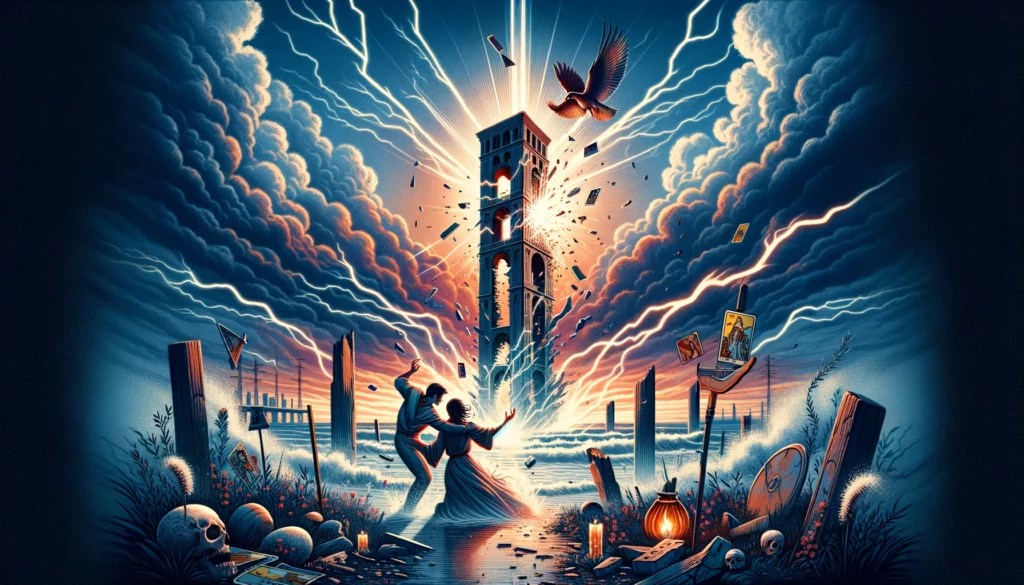
The Tower is one of the most dramatic cards in the tarot deck, often depicted as a tall structure struck by lightning, with figures plummeting from its heights. This imagery isn’t merely dramatic—it symbolizes sudden, unexpected change that shatters illusions and forces a reckoning. In relationships, The Tower represents the moment when long-held facades collapse, revealing truths that were either ignored or unknown. This could manifest as infidelity, hidden resentments, or irreconcilable differences surfacing overnight.
The card’s power lies in its inevitability. Unlike gradual breakdowns, The Tower’s destruction is swift and unavoidable, leaving little room for denial. For those in relationships, this can feel like a gut-wrenching wake-up call, stripping away comfort and forcing a confrontation with reality. The Tower doesn’t just predict disaster; it demands transformation, making it a card of both destruction and liberation.
Why The Tower Fascinates: The Allure of Destruction and Renewal
The Tower’s appeal isn’t just in its dramatic imagery—it’s in the raw honesty it represents. Humans are drawn to stories of collapse because they mirror our deepest fears and desires. On one hand, The Tower embodies the terror of losing control, of watching a relationship dissolve without warning. On the other, it offers the seductive promise of rebirth: once the dust settles, what remains is a chance to rebuild on firmer ground.
This duality explains why The Tower resonates so strongly in pop culture, literature, and even personal narratives. It’s the moment in a movie where the protagonist’s world implodes, or the turning point in a memoir where the author confronts their past mistakes. The fascination with The Tower also stems from its universality—everyone has experienced or witnessed a relationship that seemed stable one day and crumbled the next. The card taps into a shared human experience, making it both relatable and terrifying.
Psychologically, The Tower appeals to our curiosity about the unknown. The fear of sudden change is outweighed by the intrigue of what might emerge from the wreckage. Will the relationship end? Will it transform into something stronger? The Tower doesn’t provide easy answers, but its presence in a reading forces us to ask these questions, making it a card that lingers in the mind long after it’s drawn.
Common Observations: When The Tower Appears in Love Readings
In tarot readings focused on love, The Tower often surfaces during periods of tension, secrecy, or stagnation. Some common scenarios where this card appears include:
- Hidden Truths Revealed: A partner’s affair, financial deception, or long-buried resentment comes to light, shattering the relationship’s foundation.
- Sudden Breakups: A relationship ends abruptly, without warning, leaving both parties stunned and scrambling to understand what went wrong.
- Emotional Breakdowns: Long-suppressed emotions, such as anger or grief, erupt, forcing a confrontation that can’t be ignored.
- External Disruptions: Job loss, family interference, or health crises destabilize the relationship, making it unsustainable.
These moments are rarely pleasant, but they serve a purpose. The Tower’s appearance in a reading is a sign that the relationship has reached a breaking point—one that, while painful, is necessary for growth. Ignoring the warning signs only delays the inevitable, making the eventual collapse even more devastating.

Deeper Reasons Behind the Fascination with The Tower
The Tower’s grip on our imagination goes beyond its role as a harbinger of doom. It also represents the human fascination with destruction as a precursor to creation. Mythology, religion, and art are filled with stories of cataclysmic events that lead to renewal—think of the biblical flood, the phoenix rising from ashes, or the Japanese concept of wabi-sabi, which finds beauty in imperfection and transience. The Tower embodies this archetype: it’s the necessary destruction that paves the way for something new.
Another reason for its allure is the catharsis it offers. Watching a relationship crumble in a reading (or in life) can feel like a release, especially if the partnership has been a source of prolonged stress or toxicity. The Tower validates the pain of upheaval while also suggesting that this pain is a step toward healing. It’s the emotional equivalent of a storm clearing the air—messy, but ultimately necessary.
Culturally, The Tower also taps into our collective anxiety about impermanence. In an era where relationships are often idealized as lasting forever, The Tower reminds us that nothing is permanent—not even love. This can be unsettling, but it’s also liberating. If love can crumble, it can also be rebuilt, stronger and more authentic than before. The Tower doesn’t just predict endings; it hints at the possibility of beginnings.
Navigating The Tower’s Aftermath: What Comes Next?
If The Tower has appeared in your reading or life, the first step is to acknowledge the reality of the situation. Denial will only prolong the pain. Instead, ask yourself: What truths can no longer be ignored? The Tower’s destruction is rarely random—it’s a response to patterns that have been allowed to fester. Whether it’s dishonesty, emotional neglect, or incompatibility, the card forces you to confront what’s been swept under the rug.
Next, consider what you’re willing to rebuild. Not all relationships survive The Tower’s impact, and that’s okay. Some partnerships are meant to end, freeing both parties to grow in new directions. If the relationship is worth salvaging, The Tower’s destruction can serve as a foundation for something more honest and resilient. This might involve setting boundaries, seeking therapy, or redefining expectations.
Finally, use this moment as an opportunity for self-reflection. The Tower often highlights personal growth areas—perhaps you’ve been avoiding confrontation, or maybe you’ve tolerated behaviors that no longer serve you. The card’s appearance is a chance to reassess your needs, values, and boundaries. In the aftermath of upheaval, clarity often emerges.
Conclusion
The Tower in tarot is more than a card of destruction—it’s a catalyst for transformation. Its appearance in a love reading signals the collapse of illusions, the revelation of hidden truths, and the potential for rebirth. While its impact can feel devastating, The Tower also offers a rare opportunity: the chance to rebuild on a foundation of honesty and authenticity.
Whether you’re experiencing the card’s energy in your own life or simply drawn to its symbolism, remember that upheaval is not the end—it’s a necessary step toward something greater. The Tower doesn’t just predict crumbling; it promises renewal. And in the ruins of what was, new possibilities often take root.
FAQ
What does The Tower card symbolize in tarot?
The Tower card symbolizes sudden upheaval and unexpected change, often leading to the collapse of long-held illusions, particularly in relationships.
How can one navigate the aftermath of The Tower's appearance in a reading?
Acknowledging the reality of the situation, assessing what can be rebuilt, and engaging in self-reflection are key steps for navigating The Tower’s aftermath.
Leave a Reply