Short Answer
Welcome to this comprehensive guide exploring the Three of Swords and Death tarot cards. Whether you’re a beginner or an experienced reader, this guide will help you understand the meanings, interpretations, and practical applications of these powerful cards. You’ll learn about their symbolism, how they interact in readings, and what messages they might hold for your life. By the end, you’ll have a deeper insight into these cards and how to apply their wisdom in your readings.
The Three of Swords: Heartbreak and Emotional Healing
The Three of Swords is often one of the most visually striking cards in the tarot deck. It typically depicts a heart pierced by three swords against a stormy sky, symbolizing pain, betrayal, or emotional turmoil. This card represents moments of sorrow, loss, or disappointment that can feel overwhelming. However, it also serves as a reminder that healing is possible, even after deep emotional wounds.
In a reading, the Three of Swords may indicate a period of grief, whether from a breakup, a loss, or a betrayal. It’s important to acknowledge these feelings rather than suppress them. The card encourages self-compassion and patience as you navigate through difficult emotions. Over time, the pain will lessen, and you’ll find the strength to move forward.
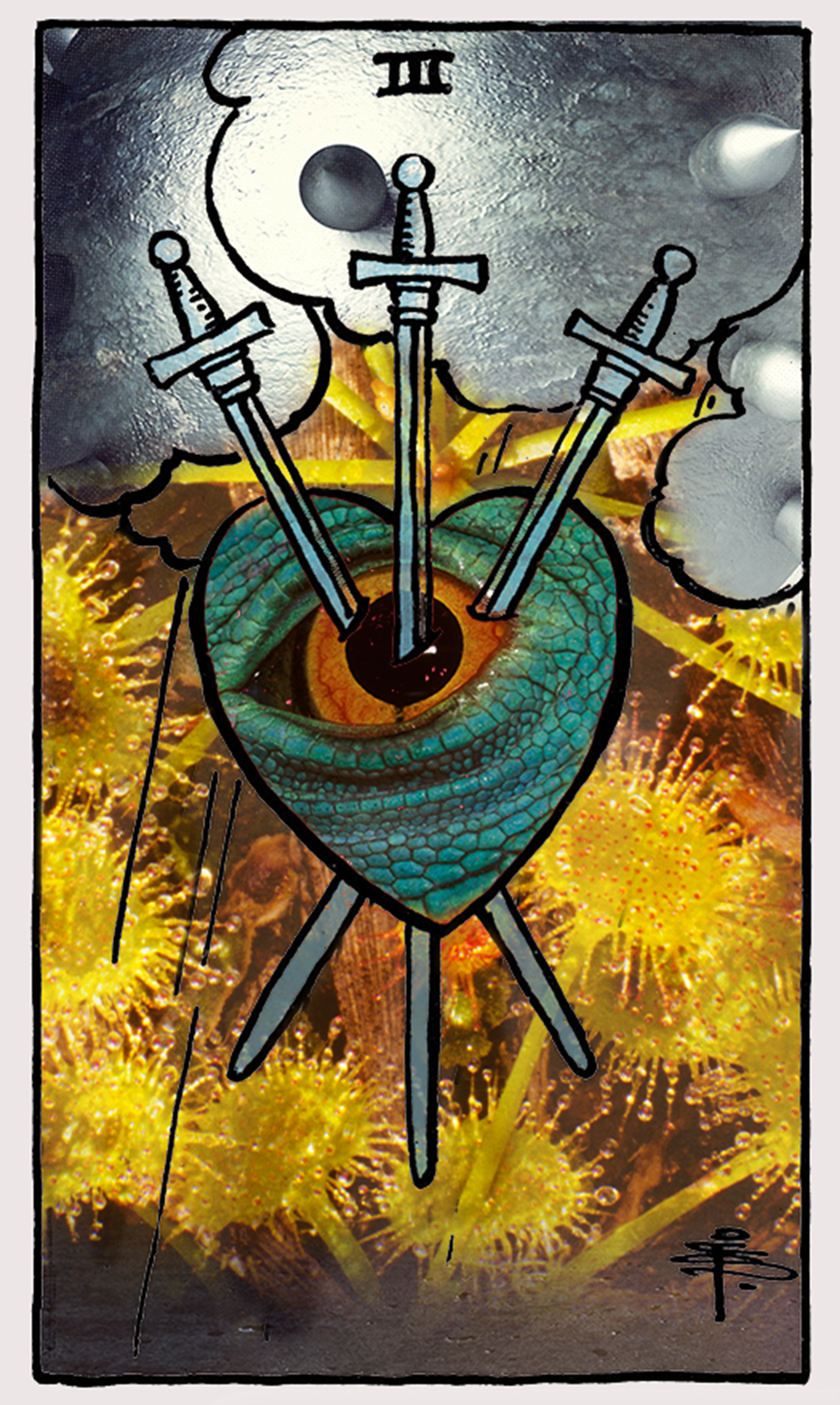
Key Themes of the Three of Swords
- Betrayal: Feeling let down by someone you trusted.
- Heartbreak: Experiencing emotional pain from a loss or separation.
- Healing: The process of recovering from emotional wounds.
- Acceptance: Learning to let go of what no longer serves you.
The Death Card: Transformation and New Beginnings
The Death card is often misunderstood due to its ominous name, but in tarot, it rarely signifies literal death. Instead, it represents transformation, endings, and rebirth. This card symbolizes the natural cycle of life—letting go of the old to make way for the new. It’s about shedding outdated beliefs, habits, or relationships to embrace growth and change.
When the Death card appears in a reading, it suggests that a significant shift is on the horizon. This could be the end of a job, a relationship, or a phase of life that no longer aligns with your path. While change can be scary, the Death card reassures you that these endings are necessary for your evolution. It’s an invitation to release what no longer serves you and step into a brighter future.

Key Themes of the Death Card
- Transformation: Letting go of the old to embrace the new.
- Endings: Recognizing when a chapter in your life is closing.
- Rebirth: The potential for renewal and fresh starts.
- Release: Freeing yourself from what holds you back.
Comparing the Three of Swords and Death Cards
While both the Three of Swords and the Death card deal with difficult emotions, they represent different stages of the healing and transformation process. The Three of Swords focuses on the pain and sorrow that come with loss or betrayal, while the Death card signifies the breakthrough that follows—when you’re ready to let go and start anew.
In a reading, the Three of Swords might appear first, highlighting the emotional struggle you’re facing. Later, the Death card could signal that you’re moving past the pain and entering a phase of renewal. Together, these cards can show a journey from heartbreak to healing, from stagnation to growth.
How to Interpret These Cards in a Reading
When interpreting the Three of Swords and Death cards in a tarot spread, consider their positions and the surrounding cards. Are they in the past, present, or future position? Do they appear as challenges or as messages of hope?
For example, if the Three of Swords appears in the past position, it may indicate that you’ve recently experienced a painful event. If the Death card follows, it could suggest that you’re now in a phase of transformation, ready to leave that pain behind. Alternatively, if the Death card appears first, it might signal that an ending is necessary before you can heal fully.
Practical Advice for Working with These Cards
If you draw the Three of Swords, allow yourself to feel your emotions without judgment. Journaling, meditation, or talking to a trusted friend can help process the pain. For the Death card, reflect on what aspects of your life need to change. What old patterns or beliefs are holding you back? How can you embrace this transformation with courage?
You can also use these cards for daily inspiration. Place the Three of Swords on your altar as a reminder to acknowledge your feelings, or meditate with the Death card to visualize releasing what no longer serves you.
Common Misconceptions About These Cards
One of the biggest misconceptions about the Death card is that it predicts physical death. In reality, it’s about metaphorical endings and spiritual growth. Similarly, the Three of Swords isn’t a curse—it’s a reflection of human vulnerability and the capacity to heal.
Another misunderstanding is that these cards only bring bad news. While they highlight challenges, they also offer hope. The Three of Swords teaches resilience, and the Death card promises renewal. Both cards remind us that pain is temporary, and transformation is inevitable.
Conclusion
The Three of Swords and Death cards are powerful teachers in the tarot deck. The Three of Swords helps us navigate emotional pain with honesty and self-compassion, while the Death card guides us toward transformation and new beginnings. Together, they remind us that endings are not the end—they’re the foundation for something greater.
Whether you’re facing heartbreak, a major life change, or simply seeking clarity, these cards offer wisdom and encouragement. Embrace their messages, trust the process, and know that healing and growth are always within reach.
FAQ
What is the meaning of the Three of Swords tarot card?
It symbolizes emotional pain, heartbreak, betrayal, and the process of healing from difficult experiences.
What does the Death card represent in tarot?
The Death card signifies endings, transformation, and new beginnings rather than literal death.
How do these two cards relate to each other in a reading?
The Three of Swords shows emotional struggle, and the Death card signals the transition to healing and renewal.
Can these cards be positive?
Yes, both cards ultimately offer hope by highlighting the possibility of recovery and growth.
How should I work with these cards practically?
Allow yourself to experience emotions for the Three of Swords and embrace necessary changes for the Death card.
Leave a Reply