Short Answer
Welcome to a deep dive into one of the most striking and enigmatic cards in the tarot deck: The Tower. Often feared yet profoundly transformative, this card is a symbol of sudden upheaval, revelation, and rebirth. In this guide, you’ll explore the intricate layers of The Tower’s meaning, its symbolic language, and why it holds such a unique appeal in tarot readings. Whether you’re a seasoned reader or a curious beginner, this exploration will illuminate the card’s power to dismantle illusions and pave the way for renewal.
The Tower as a Metaphor: Breaking Down Illusions
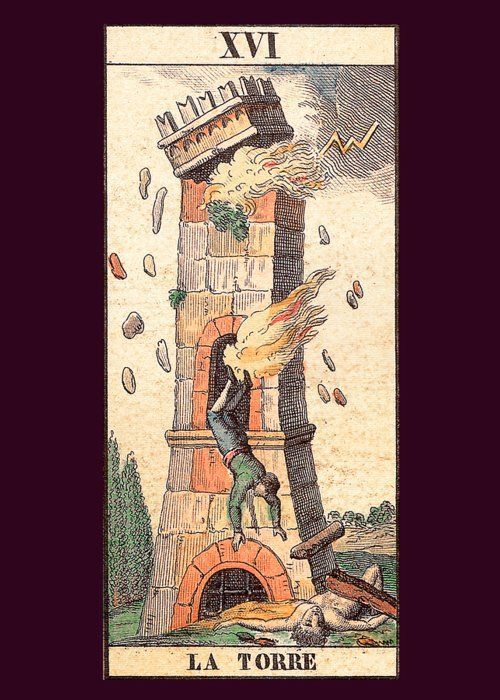
The Tower is a card of disruption, but not destruction for its own sake. It represents the violent collapse of false structures—whether they be beliefs, relationships, or societal norms—that no longer serve a higher truth. Imagine a lightning bolt striking a tall, proud tower, sending it crumbling to the ground. This image is a powerful metaphor for the moment when reality shatters our carefully constructed facades. The Tower doesn’t just warn of downfall; it heralds the liberation that follows when we’re forced to confront what we’ve been avoiding.
In a reading, The Tower often appears when you’re on the cusp of a major breakthrough, but only after a period of instability or chaos. It’s the universe’s way of saying, “You can’t build on shaky foundations.” The card’s energy is raw and unapologetic, stripping away pretenses to reveal the raw truth beneath. This can feel jarring, but it’s also an invitation to rebuild with greater clarity and integrity.
Symbolism in The Tower: Decoding the Visual Language
The imagery of The Tower is rich with symbolism, each element carrying a deeper message. The tower itself, often depicted as a tall, fortified structure, represents the ego’s defenses—our need for control, security, and the illusion of permanence. Its crumbling form suggests that no matter how strong we build our defenses, they are not impervious to the forces of change.
The lightning bolt, a universal symbol of divine intervention, strikes the tower’s peak. This isn’t random chaos; it’s a deliberate disruption, a wake-up call from the universe. The falling figures in some depictions symbolize the ego’s surrender—letting go of the identities, roles, or beliefs that no longer align with our true path. The flames and smoke rising from the wreckage represent purification, burning away what is no longer needed to make space for what is essential.
Even the colors in The Tower’s imagery play a role. The stark contrast of light and dark, often seen in the lightning and the tower’s shadow, underscores the duality of destruction and creation. The card’s stark, dramatic palette mirrors the intensity of the moment it represents—a moment that is both terrifying and liberating.
The Tower in a Reading: What It Reveals About Your Path
When The Tower appears in a tarot spread, its message is rarely subtle. It’s a card that demands attention, often signaling a sudden change, a crisis, or an unavoidable truth. If you’re asking about a relationship, The Tower might indicate a betrayal or a relationship built on false pretenses. In career readings, it could foreshadow a job loss or a professional upheaval that forces you to reassess your goals. For personal growth, it may point to a moment of reckoning where you must confront a long-avoided truth about yourself.
However, The Tower isn’t always about loss. It’s also a card of awakening. The destruction it brings is often the catalyst for profound transformation. After the dust settles, you’re left with a blank slate—a chance to rebuild with wisdom, authenticity, and a deeper understanding of what truly matters. The key is to resist clinging to the old structure and instead embrace the opportunity for renewal.
In some readings, The Tower can also appear as a warning. It might be urging you to prepare for an impending change or to question the stability of a situation you’ve taken for granted. Ignoring its message could lead to a more painful reckoning down the line. The card’s energy is a reminder that resistance to change only prolongs the inevitable.
The Unique Appeal of The Tower: Why It Resonates So Deeply
The Tower’s appeal lies in its unflinching honesty. Unlike other tarot cards that offer comfort or vague guidance, The Tower delivers a hard truth with brutal clarity. This is why it’s both feared and revered—it doesn’t soften its blows, but it also doesn’t leave you in the dark. For those who are ready to face their shadows, The Tower is a guide, a teacher, and a catalyst for growth.
There’s also a certain catharsis in The Tower’s energy. It validates the chaos and upheaval that often accompanies personal growth. In a world that often glorifies stability and control, The Tower reminds us that destruction is not the enemy—it’s a necessary part of evolution. The card’s raw power can be intimidating, but it’s also oddly empowering. It teaches that sometimes, the only way forward is through the wreckage.
Moreover, The Tower’s symbolism transcends tarot. It appears in myths, religions, and even modern psychology as a representation of the “dark night of the soul”—a period of intense struggle that precedes transformation. This universal resonance is part of what makes The Tower so compelling. It’s not just a tarot card; it’s a mirror reflecting the cyclical nature of life itself.
Embracing The Tower’s Energy: How to Work With Its Power
If The Tower has appeared in your reading, the first step is to acknowledge its message without judgment. Resisting its energy will only prolong the discomfort. Instead, ask yourself: What false structure is crumbling in my life? What truth have I been avoiding? Journaling or meditation can help you process the emotions that arise and gain clarity on the changes ahead.
It’s also important to remember that The Tower’s destruction is not the end—it’s the beginning. After the initial shock, take time to reflect on what you’ve learned from the experience. What did the collapse reveal about your priorities, values, or relationships? Use this insight to guide your next steps. The Tower doesn’t just destroy; it also creates space for something new to emerge.
For those who feel overwhelmed by The Tower’s energy, grounding practices can be helpful. Connect with nature, engage in creative expression, or seek support from loved ones. The Tower’s lesson is not to endure suffering in silence but to find strength in vulnerability and to trust the process of renewal.
Conclusion
The Tower is more than just a card of destruction—it’s a symbol of liberation, truth, and rebirth. Its stark imagery and uncompromising message serve as a reminder that sometimes, the only way to grow is to let go of what no longer serves us. Whether it appears in a reading as a warning or a catalyst, The Tower challenges us to confront our illusions and embrace the transformative power of change.
While its energy can be daunting, The Tower also offers a profound gift: the opportunity to rebuild on a foundation of authenticity and wisdom. By facing the chaos it brings, we open ourselves to a future that is not just different, but truer to who we are meant to be. In the end, The Tower isn’t just a card of warning—it’s a card of hope, signaling that even in the darkest moments, renewal is possible.
FAQ
What does The Tower card represent in tarot?
The Tower card represents sudden upheaval, disruption, and the breaking down of false structures, leading to transformation and renewal.
How should one interpret The Tower in a tarot reading?
The Tower should be interpreted as a signal of unavoidable change, urging the individual to confront truths and embrace the opportunity for personal growth.
Leave a Reply