Short Answer
Welcome to your comprehensive guide on tarot card meanings! Whether you’re a complete beginner or looking to deepen your understanding, this article will walk you through the essentials of tarot. You’ll learn about the structure of a tarot deck, the meanings of the Major and Minor Arcana, how to interpret card positions, and practical tips for reading tarot for yourself and others. By the end, you’ll have a solid foundation to start exploring the rich symbolism and guidance tarot offers.
Understanding the Structure of a Tarot Deck
A standard tarot deck consists of 78 cards divided into two main groups: the Major Arcana and the Minor Arcana. The Major Arcana contains 22 cards, each representing significant life events, spiritual lessons, or archetypal energies. These cards often signify major turning points or deep personal growth. Examples include The Fool, The Lovers, and Death.
The Minor Arcana consists of 56 cards divided into four suits: Wands, Cups, Swords, and Pentacles. Each suit corresponds to a different aspect of life—Wands relate to creativity and passion, Cups to emotions and relationships, Swords to intellect and conflict, and Pentacles to material wealth and practical matters. Each suit contains 14 cards: Ace through 10, plus four court cards (Page, Knight, Queen, King).

Major Arcana: The Big Picture of Your Journey
The Major Arcana cards tell a story of spiritual and personal development. They often represent life’s major themes, such as love, change, and destiny. For example, The Magician symbolizes manifestation and resourcefulness, while The High Priestess represents intuition and hidden knowledge. These cards frequently appear in readings to highlight significant influences or turning points in your life.
When a Major Arcana card appears in a spread, it’s usually a sign to pay close attention. It may indicate a major life event or a call to embrace a new phase of personal growth. Understanding these cards helps you recognize the broader patterns and lessons unfolding in your life.
Minor Arcana: The Details of Everyday Life
The Minor Arcana cards provide insight into the day-to-day aspects of life. Each suit reflects a different area of experience, allowing you to explore specific situations in detail. For instance, drawing the Three of Cups might suggest celebration or friendship, while the Five of Pentacles could indicate financial struggle or feeling left out in the cold.
The court cards in the Minor Arcana represent people or personality traits. Pages often symbolize students or messengers, Knights represent action or movement, Queens embody nurturing or receptive energy, and Kings signify authority or mastery. These cards can describe people in your life or aspects of your own personality that are coming to the forefront.

Interpreting Card Positions in a Spread
Tarot spreads are layouts where cards are placed in specific positions to provide context for their meanings. A simple three-card spread, for example, might represent past, present, and future influences. Other spreads, like the Celtic Cross, offer deeper layers of insight with positions for challenges, subconscious influences, and potential outcomes.
When interpreting a spread, consider the card’s upright or reversed position. Upright cards generally reflect the card’s traditional meaning, while reversed cards may indicate blocked energy, internal struggles, or a need to reflect inward. However, interpretations can vary, so trust your intuition as you explore the messages within the cards.
How to Read Tarot Cards for Yourself and Others
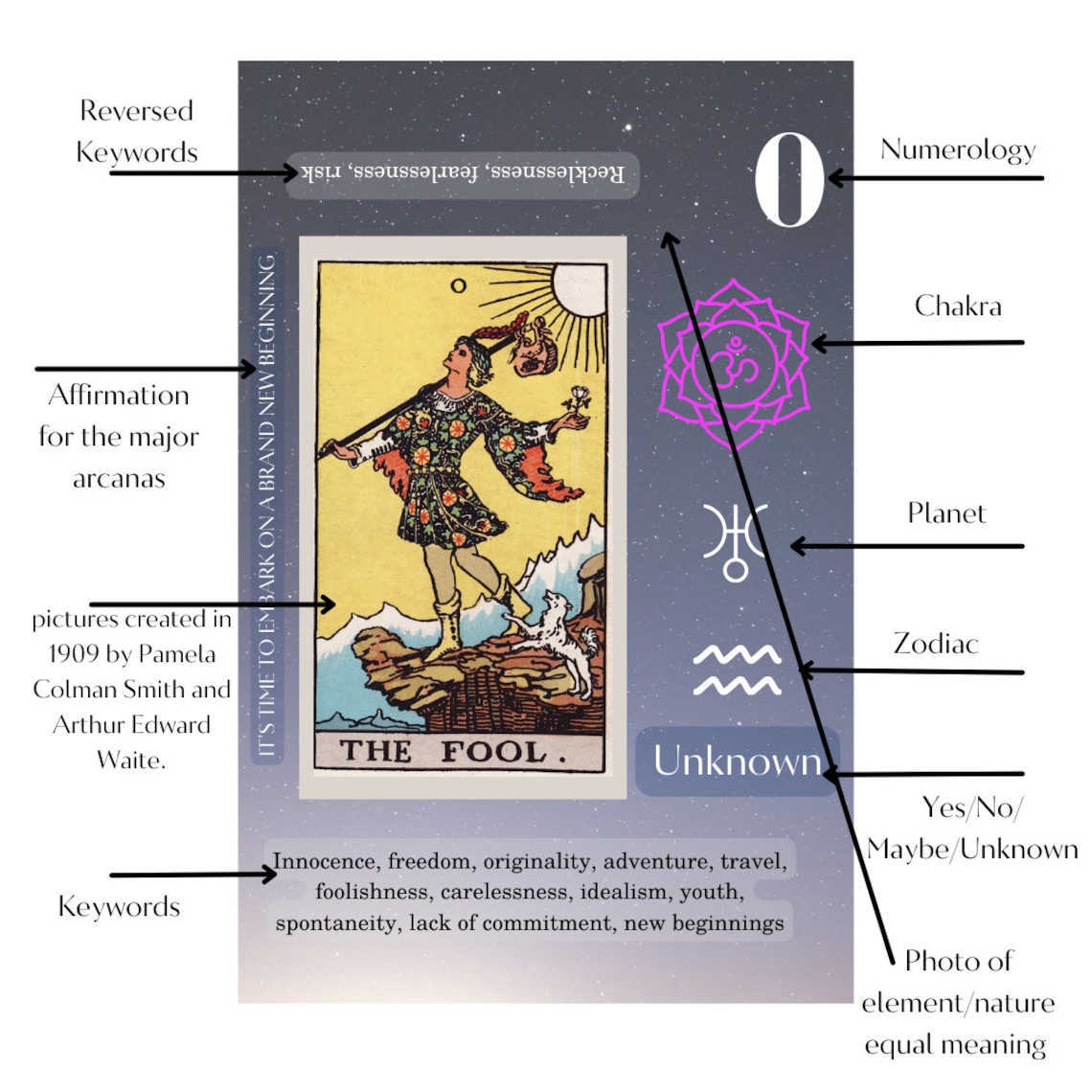
Reading tarot for yourself starts with grounding and setting an intention. Shuffle the deck while focusing on a question or area of your life you’d like guidance on. Pull a card (or more, depending on your spread) and observe your immediate reactions. The imagery, symbols, and keywords associated with the card can offer valuable insights.
When reading for others, create a safe and open space for them to share. Encourage them to focus on their question while you shuffle and draw cards. Offer interpretations based on the card’s traditional meanings, but also allow room for their personal associations. Remember, tarot is a tool for reflection, not a definitive answer.
Common Tarot Card Meanings to Get You Started
Here are a few foundational meanings to help you begin your tarot journey:
- The Fool: New beginnings, spontaneity, and taking a leap of faith.
- The Magician: Manifestation, resourcefulness, and harnessing your skills.
- The High Priestess: Intuition, mystery, and accessing hidden knowledge.
- Three of Cups: Celebration, friendship, and joyful connections.
- Five of Pentacles: Financial struggle, feeling excluded, or hardship.
- Queen of Swords: Independence, clear thinking, and direct communication.
These meanings are just a starting point. As you spend more time with the cards, you’ll develop your own interpretations based on your experiences and intuition.
Tips for Learning Tarot Card Meanings Quickly
Learning tarot is a journey, but there are ways to make the process smoother. Start by familiarizing yourself with the Major Arcana, as these cards form the backbone of many readings. Use flashcards or apps to quiz yourself on card meanings and imagery. Journaling your interpretations after each reading can also deepen your understanding.
Another helpful tip is to study the symbolism in the cards. Notice the colors, objects, and figures depicted—these elements often carry significant meaning. Additionally, read books or watch videos from experienced tarot readers to gain different perspectives. Over time, your confidence and intuition will grow.
Conclusion
Tarot cards are a powerful tool for self-discovery, guidance, and reflection. By understanding the structure of the deck, the meanings of individual cards, and how to interpret them in spreads, you can unlock deeper insights into your life and the world around you. Whether you’re drawn to tarot for spiritual growth, creative inspiration, or simply curiosity, the journey is yours to explore.
Start with a single deck, take your time, and trust your intuition. The more you engage with the cards, the more they will reveal to you. Happy reading!
FAQ
What are tarot cards?
Tarot cards are a deck of 78 cards used for divination, reflection, and guidance, divided into Major and Minor Arcana.
How do you read tarot cards?
To read tarot cards, shuffle the deck while focusing on a question, draw cards, and interpret their meanings based on position and context.
What is the significance of Major Arcana cards?
Major Arcana cards represent significant life events and spiritual lessons, often indicating major influences in a tarot reading.
What does the Minor Arcana represent?
The Minor Arcana reflects daily life experiences, covering various aspects such as emotions, intellect, and material wealth.
Leave a Reply