Short Answer
Card Overview
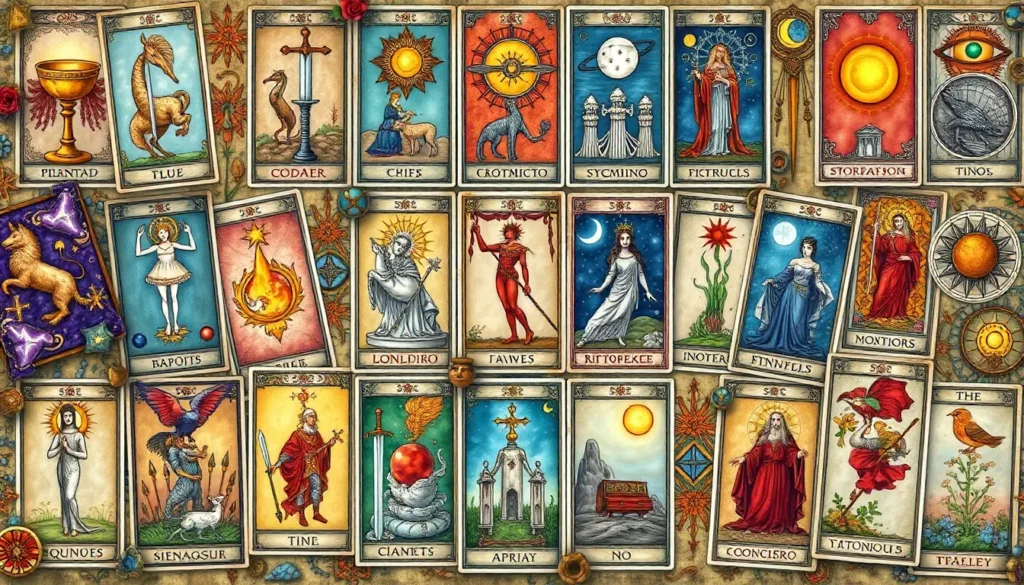
Tarot symbols are the visual elements found on tarot cards that convey deeper meanings and themes beyond the card’s title. These symbols include images such as animals, objects, colors, numbers, and figures, each contributing to the card’s overall message. The symbols help readers interpret the card’s emotional tone, central theme, and role within a tarot reading, adding layers of nuance and insight. Understanding tarot symbolism is essential for a comprehensive reading, as it enriches the connection between the querent’s situation and the card’s guidance.
Upright Meaning
When tarot symbols are interpreted in their upright position, they reveal the card’s positive or direct energy. Each symbol carries specific connotations—for example, a sun might symbolize clarity and success, while a sword suggests intellect and conflict resolution. Upright symbols highlight opportunities, lessons, and strengths available to the querent. They often encourage growth, action, and awareness, offering insights that can be applied to real-life situations such as decision-making, personal development, or relationship dynamics.
Reversed Meaning
In reversed tarot cards, symbols may indicate blocked or delayed energy, internal conflict, or imbalances. The meaning of the symbols can become distorted or subdued, suggesting the querent may face misunderstandings, resistance, or the need to reassess their approach. Reversed symbols often point to shadow aspects of the card’s message, urging reflection, caution, or change. This position encourages looking inward and addressing underlying issues that prevent progress or clarity.
Love Meaning
Tarot symbols related to love often include hearts, cups, flowers, or figures representing relationships. These symbols help interpret feelings, emotional connections, communication, and growth within romantic contexts. For singles, symbols might indicate attraction, potential relationships, or emotional readiness. For those in relationships, symbols can reveal dynamics, challenges, or opportunities for deeper intimacy and healing. Symbols in love readings help clarify the emotional landscape and guide relational decisions.
Career Meaning
In career readings, tarot symbols such as tools, animals, or numbers provide insight into work dynamics, leadership, creativity, and ambition. Symbols may suggest opportunities for advancement, collaboration, or obstacles to overcome. They help interpret the querent’s professional strengths, challenges, and potential directions. Understanding these symbols aids in making informed career choices, improving workplace relationships, and aligning professional goals with personal values.
Money Meaning
Symbols related to money typically include coins, pentacles, or items representing wealth and material resources. These symbols guide interpretations about financial stability, spending habits, investments, and abundance. They may signal caution, discipline, or generosity, depending on the card’s context. Recognizing these symbols allows the querent to assess risks, opportunities, and their overall relationship with material security.
Spiritual Meaning
Tarot symbols often convey spiritual themes like intuition, transformation, karmic lessons, and inner growth. Elements such as stars, moons, or mystical figures represent connection to higher wisdom and personal evolution. These symbols encourage self-awareness, healing, and reflection on one’s spiritual path. The spiritual meanings embedded in tarot symbols help readers explore deeper questions about purpose, consciousness, and transcendence.
Yes or No Meaning
Tarot symbols contribute to the card’s yes or no interpretation by emphasizing the card’s energy and context. Generally, cards with positive, active symbols suggest a “yes” or affirmative response, while cards with challenging or restrictive symbols lean toward “no.” Some symbols indicate uncertainty or conditional outcomes, requiring further clarification. The surrounding cards and question specifics influence the final interpretation, making symbolism an essential component in deriving nuanced yes/no answers.
Symbolism
Key tarot symbols include imagery such as animals (lions, birds, serpents), objects (cups, swords, wands, pentacles), colors (red for passion, blue for calm), numbers (each with numerological significance), and figures (archetypes like the Fool or the High Priestess). These elements work together to create a visual language that communicates the card’s essence. For example, the number three often symbolizes growth and creativity, while the color green can represent healing and abundance. Understanding these symbols allows readers to interpret cards more intuitively and connect with their layered meanings during readings.
Card Combinations
When tarot cards appear together, their symbols interact to modify or enhance their meanings. For example, a card with symbols of conflict paired with one representing resolution may indicate overcoming challenges. Combinations with Major Arcana cards can elevate the significance of minor arcana symbols, while court cards may clarify personalities reflected in the symbols. Recognizing how symbols combine helps readers discern complex narratives, balance opposing energies, or highlight areas needing attention within a spread.
FAQ
What are the most common symbols in tarot cards?
Common symbols include the four suits (cups, swords, pentacles, wands), numbers with numerological significance, animals, celestial bodies like the sun and moon, and archetypal figures such as the Fool or the High Priestess.
How do symbols influence tarot card interpretations?
Symbols provide additional layers of meaning that help readers understand the card’s message more intuitively. They highlight emotional tones, spiritual lessons, and practical advice beyond the card’s name.
Can tarot symbols have different meanings in different decks?
Yes, while many symbols are traditional, their depiction and emphasis can vary between decks. Readers should consider the artwork and context of each deck when interpreting symbols.
Leave a Reply