Short Answer
Welcome to your personal journey of deciphering the whispers of the tarot. In this guide, you’ll uncover the hidden meanings behind the cards you’ve drawn, transforming symbols into profound insights. Whether you’re a seasoned seeker or a curious newcomer, this reading will illuminate your path with clarity and intrigue. Prepare to explore the archetypes, emotions, and messages woven into your spread—each card a mirror reflecting your inner world and the energies surrounding you.
The Language of Symbols: How to Interpret Your Tarot Cards
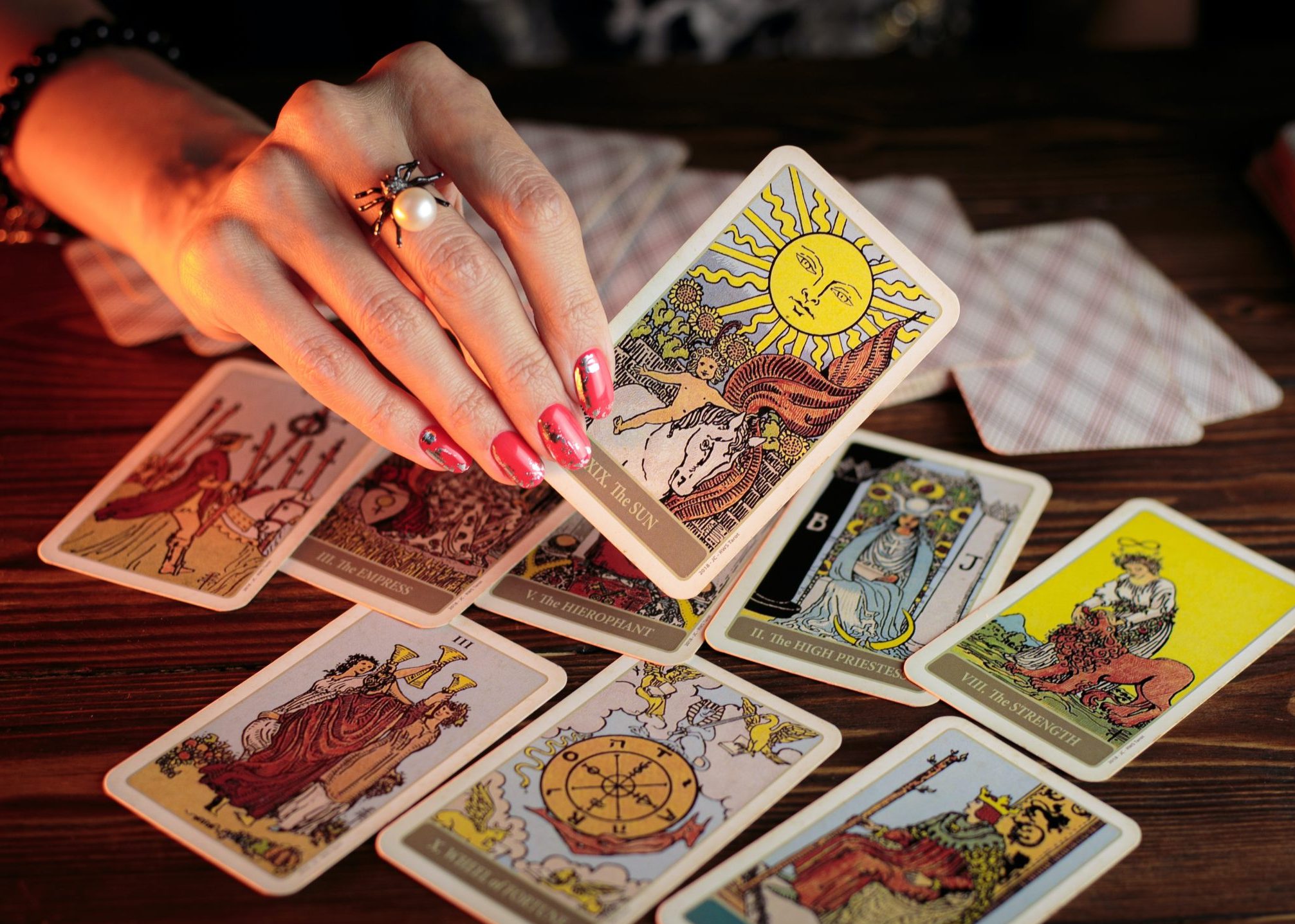
Tarot cards speak in metaphors, their imagery a language older than time. Each symbol—a tower struck by lightning, a lover’s embrace, a solitary figure cloaked in mystery—holds a story waiting to be told. To interpret your cards, begin by observing their visual cues: the colors, the figures, the objects they hold. A red rose might signify passion or warning, while a stormy sky could hint at upheaval or transformation. Trust your intuition; the first impression often carries the deepest truth. The tarot doesn’t just predict the future—it reveals the currents shaping it, inviting you to navigate with awareness.


The Major Arcana: Your Soul’s Journey Unfolded
The Major Arcana cards are the pillars of your reading, representing life’s grand themes and karmic lessons. The Fool, stepping off a cliff with a loyal dog by their side, embodies spontaneity and new beginnings—perhaps signaling a leap of faith in your life. The Lovers card, often misunderstood, isn’t just about romance; it’s about choices, harmony, and the union of opposites within yourself. Meanwhile, Death (a card of transformation, not literal demise) urges you to release what no longer serves you, making space for rebirth. These cards don’t just appear randomly; they’re signposts on your soul’s odyssey, guiding you toward self-mastery and enlightenment.
The Minor Arcana: The Tapestry of Everyday Life
Where the Major Arcana maps your spiritual journey, the Minor Arcana grounds you in the details of daily existence. Divided into four suits—Swords (intellect), Cups (emotions), Wands (creativity), and Pentacles (material world)—these cards reflect the rhythms of your life. A Knight of Cups might appear when love or creativity flows effortlessly, while the Ten of Swords could indicate a painful but necessary ending. Pay attention to the court cards—Pages, Knights, Queens, and Kings—each representing personalities or energies you embody or encounter. A Queen of Pentacles, for instance, could symbolize nurturing abundance, while a Page of Swords suggests a curious, analytical mind at work. Together, these cards paint a vivid portrait of your challenges, joys, and hidden potentials.

Reversed Cards: When Energy Flows in Reverse
Reversed cards add depth to your reading, revealing blocked energy, internal struggles, or untapped potential. A reversed Three of Cups might suggest loneliness despite social connections, while a reversed Magician could indicate manipulation or wasted talents. Yet reversals aren’t always ominous; they can also signal introspection or a need to slow down. The key is to ask: *What is this card trying to teach me in its upside-down state?* Sometimes, the answer lies in embracing the shadow side of the card’s energy—facing fears, healing wounds, or reclaiming power. Reversals are your invitation to dig deeper, to confront what you’ve avoided and to realign with your highest path.
Putting It All Together: Crafting Your Personal Narrative
Now, weave the threads of your reading into a cohesive story. Start by noting the dominant themes: Are your cards mostly Cups, hinting at emotional growth? Or do Swords dominate, suggesting a need for mental clarity? Look for patterns—repeating suits, numbers, or symbols—and consider how they interact. For example, a spread with the Empress (abundance) alongside the Eight of Pentacles (diligence) might reveal a period of fruitful labor ahead. Don’t shy away from uncomfortable cards; they often hold the most transformative messages. Finally, ask yourself: *What action or mindset does this reading call me to embrace?* The tarot’s magic lies not in fortune-telling, but in empowering you to co-create your destiny with intention and wisdom.
Conclusion
Your tarot reading is a living dialogue between your conscious mind and the universe’s hidden currents. The cards you’ve drawn are not just ink on paper—they’re echoes of your soul’s language, speaking in riddles and revelations. As you reflect on their meanings, remember: the tarot is a tool, not a verdict. It doesn’t dictate your fate; it illuminates the choices before you, the energies at play, and the wisdom you’ve yet to claim. Whether your spread speaks of love, career, or spiritual awakening, carry its lessons with curiosity and courage. The next time you shuffle the deck, you’ll do so with a deeper understanding of the magic at your fingertips—and the power to shape your story.
FAQ
What do tarot cards represent?
Tarot cards represent various archetypes and life themes, providing insights into personal situations and emotional states.
How can I interpret tarot cards?
You can interpret tarot cards by observing their symbols, considering their positions in a spread, and reflecting on your intuition.
Leave a Reply