Short Answer
The Tower tarot card is one of the most dramatic and feared cards in the deck, often associated with sudden upheaval, chaos, and destruction. When drawn upside down, its meaning can shift dramatically, offering insights into resilience, hidden truths, or delayed consequences. In this guide, you’ll explore the core symbolism of The Tower, the implications of its reversed position, and why this card continues to captivate—and unsettle—tarot enthusiasts worldwide.
The Tower Tarot Card: Core Symbolism and Meaning
The Tower is the sixteenth card in the Major Arcana and represents sudden, often unavoidable change. Depicted as a tall stone tower being struck by lightning, with flames erupting from its windows and two figures plummeting from its heights, the imagery alone conveys a sense of destruction and chaos. The lightning bolt is a universal symbol of divine intervention or revelation, suggesting that what seems stable can be shattered in an instant.
Key themes associated with The Tower include:
- Sudden Upheaval: The card signals unexpected events that disrupt the status quo, such as job loss, relationship breakdowns, or financial crises.
- Illusion Shattering: It often appears when long-held beliefs, relationships, or situations are revealed to be built on falsehoods or instability.
- Forced Transformation: While painful, The Tower’s destruction paves the way for necessary growth, forcing individuals to rebuild on firmer foundations.
- Divine Justice: The card can imply karmic retribution or the universe correcting imbalances, though this interpretation depends on surrounding cards.
The Tower’s energy is raw and unfiltered, leaving little room for denial. It demands attention to what has been ignored or suppressed, making it a card of brutal honesty.
Why The Tower Fascinates—and Terrifies—Tarot Readers
The Tower’s allure lies in its stark contrast to the more comforting cards in the deck. While The Lovers or The Star evoke hope and harmony, The Tower delivers a wake-up call that is impossible to ignore. This duality makes it a card that both intrigues and unsettles readers and querents alike.
Several factors contribute to its enduring fascination:
- Universal Relatability: Everyone experiences moments of sudden change, whether through loss, betrayal, or unforeseen challenges. The Tower mirrors these experiences, making it deeply personal.
- Cathartic Potential: Despite its harshness, The Tower offers a path to renewal. The destruction it brings is often a precursor to rebuilding something stronger, which can be oddly reassuring in its own way.
- Symbolic Richness: The card’s imagery—lightning, falling figures, a crumbling tower—is open to interpretation, allowing readers to explore themes of ego collapse, societal collapse, or spiritual awakening.
- Cultural Impact: From literature to film, the concept of a “fall from grace” or a “lightning bolt moment” is a recurring motif, reinforcing The Tower’s archetypal power.
This combination of fear and fascination ensures that The Tower remains one of the most discussed cards in tarot, often serving as a turning point in readings.

What Does an Upside Down (Reversed) Tower Mean?
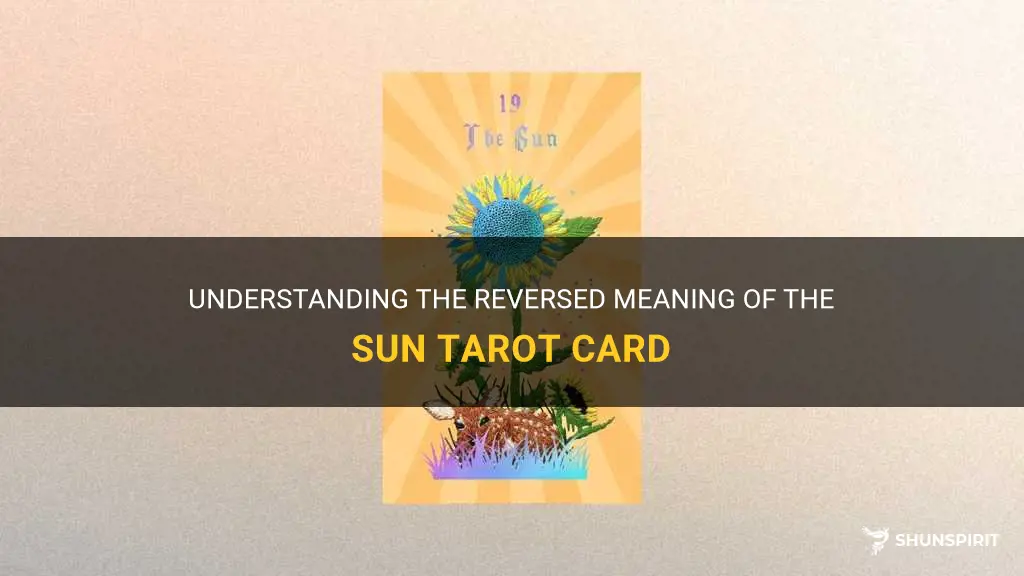
When The Tower appears upside down in a reading, its meaning shifts from sudden destruction to delayed consequences, avoidance, or internalized turmoil. While the upright Tower is about external chaos, the reversed Tower often points to internal struggles, suppressed truths, or the fear of change.
Key interpretations of The Tower reversed include:
- Delayed Collapse: The destruction is coming, but not yet. The reversed Tower may indicate that you’re ignoring warning signs or delaying necessary action, which could lead to a more severe crisis later.
- Fear of Change: You may be resisting transformation due to fear, even if the change is ultimately beneficial. This could manifest as procrastination, denial, or clinging to the familiar.
- Hidden Turmoil: The reversed Tower can signal that internal conflicts—such as unaddressed trauma, repressed emotions, or self-sabotaging behaviors—are festering beneath the surface.
- Missed Opportunities: Sometimes, the reversed Tower reflects a failure to act when you had the chance, leading to stagnation or missed growth.
- Self-Inflicted Chaos: In some cases, the reversed Tower suggests that your own actions (or inaction) are creating unnecessary drama or instability.
Unlike the upright Tower, which often brings external chaos, the reversed Tower is more about personal accountability. It asks you to examine what you’ve been avoiding and to take responsibility for your role in the situation.
How to Work with The Tower’s Energy (Upright or Reversed)
Whether The Tower appears upright or reversed, its energy can be harnessed for growth—if approached with intention. Here’s how to navigate its lessons:
For Upright The Tower:
- Embrace the Disruption: Resist the urge to cling to what’s familiar. The Tower’s destruction is often a necessary precursor to renewal.
- Seek Support: Surround yourself with trusted friends, mentors, or professionals who can help you navigate the chaos.
- Focus on Rebuilding: After the dust settles, channel your energy into creating something new and stable. The Tower’s lesson is that destruction is not the end—it’s the beginning.
For Reversed The Tower:
- Confront What You’ve Avoided: Ask yourself what truths or changes you’ve been ignoring. Journaling or therapy can help uncover these patterns.
- Take Small Steps: If the fear of change feels overwhelming, break it down into manageable actions. Small steps can rebuild confidence.
- Practice Self-Compassion: The reversed Tower often comes with guilt or shame. Remind yourself that everyone faces resistance to growth—it’s part of being human.
In both cases, The Tower’s energy is about breaking free from what no longer serves you. The key is to move through the chaos with awareness rather than resistance.
Common Misconceptions About The Tower
The Tower is often misunderstood, leading to unnecessary fear or misinterpretation. Here are some common myths and the truths behind them:
- Myth: The Tower Always Predicts Disaster.
Truth: While The Tower often signals upheaval, its purpose is not to punish but to reveal. The destruction it brings is often a catalyst for positive change, even if the process is painful.
- Myth: The Tower Reversed Means You’re Doomed.
Truth: The reversed Tower is more about potential than inevitability. It highlights areas where you can intervene to prevent future crises, making it a card of empowerment.
- Myth: The Tower Only Appears in Negative Readings.
Truth: The Tower can also signal a necessary purge of toxic relationships, outdated beliefs, or harmful habits. Its appearance is not inherently “bad”—it’s about transformation.
- Myth: You Can Avoid The Tower’s Energy.
Truth: The Tower is often unavoidable because it represents universal truths or karmic lessons. Resistance may only prolong the process.
Conclusion
The Tower tarot card, whether upright or reversed, is a powerful reminder that change—no matter how disruptive—is often necessary for growth. Its imagery and symbolism resonate deeply because it reflects universal human experiences: the fear of the unknown, the pain of loss, and the resilience required to rebuild. By understanding The Tower’s lessons, you can navigate its energy with greater awareness, turning moments of chaos into opportunities for renewal.
Whether you’re facing an unexpected crisis or grappling with internal resistance to change, The Tower’s message is clear: what seems like an ending is often the first step toward something stronger. The key is to trust the process, even when the path is unclear.
FAQ
What does The Tower tarot card symbolize?
The Tower symbolizes sudden upheaval, destruction, forced transformation, and revelation of hidden truths.
What is the meaning of The Tower card when reversed?
The reversed Tower suggests delayed consequences, fear of change, internal turmoil, and avoidance of necessary transformation.
Is The Tower tarot card always negative?
No, The Tower often signals necessary change and growth, acting as a catalyst for rebuilding stronger foundations.
How can I work with The Tower’s energy in a reading?
Embrace disruption, seek support, focus on rebuilding for upright; confront avoidance, take small steps, and practice self-compassion for reversed.

Leave a Reply