Short Answer
Curious about the Devil Tarot card? You’re about to uncover its hidden layers—where shadows dance with desire, and freedom meets its shadowy counterpart. This guide will walk you through the card’s meaning, symbolism, and the playful yet profound challenges it presents. By the end, you’ll see why the Devil isn’t just a card of bondage, but a mirror reflecting your own attachments, fears, and the cages you’ve built around yourself.
The Devil Tarot Card: A Mirror to Your Shadows
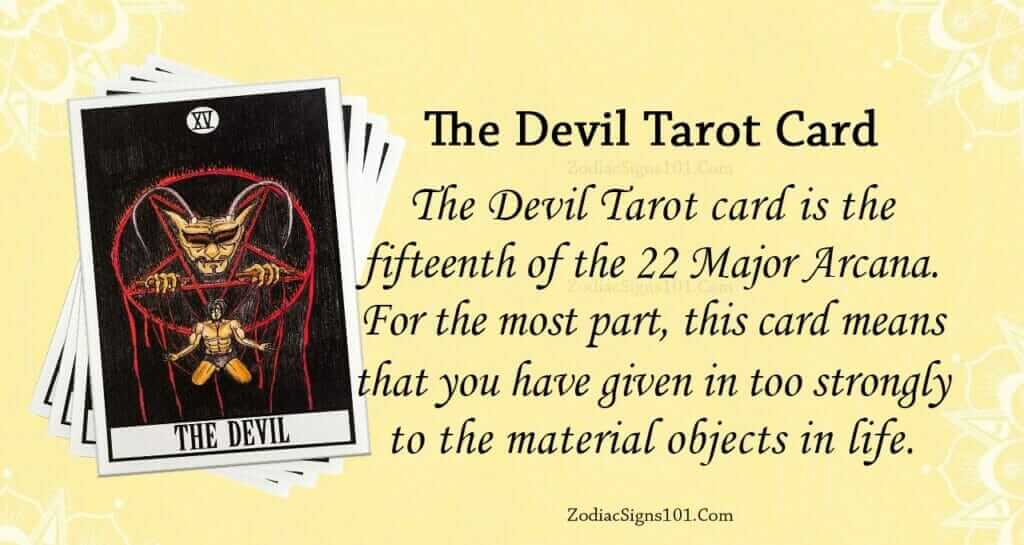
The Devil Tarot card is often misunderstood as purely negative, but it’s far more nuanced. At its core, it represents the chains we create for ourselves—whether through toxic habits, unhealthy relationships, or self-imposed limitations. The card’s imagery is striking: a horned figure with bat-like wings looms over two chained figures, their necks bound but not by force. They could leave anytime, yet they choose to stay. This symbolism highlights how we often cling to what enslaves us, whether out of comfort, fear, or sheer habit.
In the Rider-Waite-Smith deck, the Devil is depicted with a reversed pentagram on his forehead, a symbol often misinterpreted as evil. Instead, it represents materialism and the illusion of control. The chains around the figures’ necks are loose, suggesting that their bondage is a choice. This card asks you: What chains are you wearing that you’ve convinced yourself you can’t remove?

Breaking Down the Symbolism: What the Devil Really Represents
The Devil’s symbolism is rich and layered, offering multiple entry points for interpretation. Here’s a breakdown of its key elements:
- Horns and Wings: The horns symbolize raw, primal energy—both creative and destructive. The wings suggest a duality between freedom and entrapment. Together, they represent the untamed aspects of human nature that, when unchecked, can lead to excess or addiction.
- Chains and the Raised Hands: The figures in chains have their hands raised in a gesture that mimics the Devil’s own. This could imply that they are willingly participating in their own bondage, perhaps out of fear of the unknown or a misplaced sense of loyalty.
- Inverted Pentagram: Often seen as a symbol of evil, the inverted pentagram here represents materialism, ego, and the illusion of control. It’s a reminder that when we prioritize worldly desires over spiritual growth, we become our own jailers.
- Fire and Torches: The flames in the background symbolize passion, but also destruction. They can represent the burning away of illusions—or the potential for reckless behavior when emotions run unchecked.
When these symbols come together, the Devil card isn’t just about external forces controlling you. It’s about the internal cages you’ve built, the excuses you make, and the illusions you cling to. It’s a call to examine where you’re giving your power away—whether to people, substances, or even your own limiting beliefs.
Upright vs. Reversed: How the Devil’s Meaning Shifts
The Devil’s message changes depending on its orientation in a spread. Here’s how to interpret it in both positions:
Upright Devil: The Cage You’ve Built
When the Devil appears upright, it’s a wake-up call. It suggests that you’re either experiencing or are on the verge of a situation where you feel trapped—whether by a toxic relationship, a dead-end job, or a habit you can’t quit. The card doesn’t judge; it simply holds up a mirror. Ask yourself:
- What am I tolerating that I shouldn’t?
- Where am I giving away my power?
- What chains am I pretending aren’t there?
The upright Devil isn’t a punishment—it’s an invitation to reclaim your agency. The chains are loose for a reason.
Reversed Devil: Breaking Free
When the Devil appears reversed, it signals liberation. You’re starting to see the illusions for what they are, and the chains are crumbling. This could mean:
- You’re finally walking away from a toxic situation.
- You’re recognizing a habit or addiction for what it is and taking steps to break it.
- You’re shedding self-limiting beliefs that have held you back.
The reversed Devil is a sign of hope. It’s the moment you realize you’re not as trapped as you thought—and that freedom was always within reach.
Common Themes and Life Areas the Devil Affects
The Devil Tarot card doesn’t just appear in isolation—it often highlights specific areas of your life where you’re feeling stuck. Here are some common themes and how to interpret them:
Relationships and Love
In matters of the heart, the Devil can indicate a toxic or codependent relationship. It might suggest that you’re staying in a partnership out of fear, obligation, or the false belief that you can’t find something better. The card asks: Are you staying because you love them, or because you’re afraid of being alone? It’s a reminder that healthy love shouldn’t feel like a cage.
Career and Ambition
In career readings, the Devil can point to a job that drains you—one that pays the bills but leaves you feeling unfulfilled. It might also represent a work environment that’s overly competitive, manipulative, or even exploitative. The card challenges you to ask: Is this job worth my energy, or am I staying out of fear of the unknown?
Addictions and Bad Habits
Whether it’s substance abuse, overspending, or procrastination, the Devil can highlight an addiction that’s controlling you. The card doesn’t shame you—it simply points out the pattern. The question here is: What am I using to numb myself, and what am I avoiding? Recognizing the habit is the first step to breaking free.
Self-Limiting Beliefs
Sometimes, the Devil isn’t about external forces—it’s about the stories you tell yourself. Maybe you believe you’re not good enough, or that success is out of reach. The Devil card challenges these narratives, asking: Who told you that you couldn’t have more? And why do you believe them?
The Devil as a Challenge: Why It’s Not Just a Negative Card
It’s easy to see the Devil as a purely negative card, but that’s a narrow interpretation. The Devil is a teacher—one that forces you to confront your shadows. It’s the card that asks you to look at the parts of yourself you’ve been avoiding: your fears, your regrets, your unmet desires. By doing so, it gives you the power to transform.
Think of the Devil as a playful trickster. It doesn’t punish you for your chains—it laughs at them. It says, You could walk away anytime. So why haven’t you? This card is a challenge to stop making excuses and start taking responsibility for your life. The cage is unlocked. The question is: Are you ready to step out?
Conclusion: You’re the Key to Your Own Freedom
The Devil Tarot card is a powerful reminder that the only chains that truly bind you are the ones you refuse to see. Whether it appears upright or reversed, its message is clear: you have the power to break free. The horned figure in the card isn’t a villain—it’s a mirror, reflecting the parts of yourself that need healing, growth, or release.
So the next time the Devil appears in your reading, don’t shy away. Ask yourself: What am I pretending not to see? What chains am I wearing that I’ve convinced myself I can’t remove? The answers might surprise you. And remember—the cage was never locked from the outside. The key has always been in your hands.
FAQ
What does the Devil card mean in a tarot reading?
The Devil card symbolizes bondage and self-imposed limitations, often relating to toxic attachments, addictions, and materialism, but it also encourages recognizing and freeing oneself from these chains.
How is the Devil card interpreted when reversed?
The reversed Devil card indicates liberation and breaking free from toxic patterns, addictions, or limiting beliefs, signaling a positive shift towards personal empowerment.
Is the Devil card a bad omen?
Not necessarily. The Devil card serves as a mirror to our shadows, encouraging self-reflection and transformation rather than being purely negative.
In what aspects of life does the Devil card commonly appear?
It commonly appears in relationship, career, addiction, and personal belief contexts, highlighting where one might feel trapped or controlled.
Leave a Reply