Short Answer
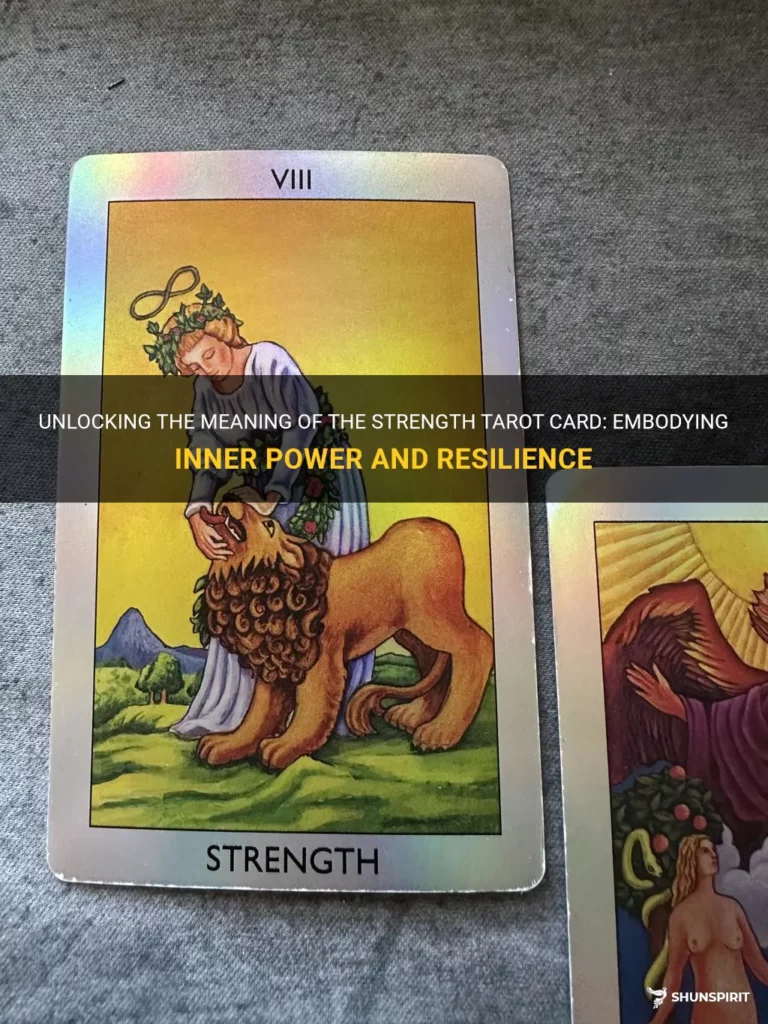
The Strength card in Tarot, often depicted as a figure calmly regaining control over a lion, has captivated many with its rich symbolism. Within a Christian perspective, this card intimates a convergence of divine resilience, compassionate power, and the personal struggles that often accompany earthly existence. It is an intriguing juxtaposition; while Tarot is commonly associated with esoteric practices, Christians might discover profound insights that harmonize with biblical teachings.
At its core, the Strength card embodies a duality—an intrinsic intertwining of gentleness and bravery. This essence is poignantly reflected in the Beatitudes, where meekness is heralded as a form of strength, and the notion that true power lies in the vulnerability to love, forgive, and endure. Much like the biblical heroes who drew upon divine strength during trials, the Strength card summons the faithful to recognize the sanctity of inner fortitude.
One primary observation is that the Strength card serves as an archetype of inner strength, which parallels the Christian belief that true strength emanates from faith. This perspective emphasizes that the fortitude displayed through love and compassion is aligned with the teachings of Jesus Christ. Throughout the Gospels, followers are urged to exhibit love, even toward their adversaries, showcasing that real strength often lies in self-control and patience rather than brute force.
Moreover, the image of the woman gently taming the lion can be likened to Jesus’ metaphorical lamb among wolves, where believers are called to embody a Christ-like spirit in a world replete with challenges. This harmonious relationship offers insight into the idea that, like the woman, believers can strive to cultivate peace and understanding amidst chaos. From the biblical accounts of Samson, whose strength came not only from physical prowess but also from his dedication to God, to Jesus’ ultimate act of sacrificial love, the narratives surrounding strength resonate deeply within former and current contexts.
Furthermore, the Strength card speaks to the law of emotional intelligence. It suggests that managing one’s emotions—such as anger, fear, or insecurity—is a critical aspect of maturation and spiritual growth. Embracing this emotional journey can mirror the story of Job, whose endurance and unwavering faith amidst suffering exemplify the trials faced by many believers. Such experiences compel individuals to confront their fragility head-on, ultimately revealing a resilience that deepens one’s relationship with the divine.
In conjunction with this emotional intelligence is the idea of discipline. The Strength card echoes principles found in Christian teachings about self-control. Galatians 5:22-23 alludes to the fruits of the Spirit, with self-control being a vital component. This process of regulating one’s impulses cultivates a virtuous character and is essential to living a life that resonates with a God-centered existence. Thus, the card not only illuminates the strength inherent in self-restraint but also calls upon individuals to practice it actively in their daily lives.
Interestingly, the card also insinuates the significance of community. Just as individuals often derive strength from their collective faith, the image of the lion and the woman can symbolize the interdependence of believers within the body of Christ. Christians are urged to bear one another’s burdens, fostering an environment where strength is both a guiding principle and a communal responsibility. This connection mirrors passages in the New Testament that emphasize unity in Christ, suggesting that personal strength can often be amplified through communal bonds.
Delving deeper, the visual representation of the Strength card evokes a narrative of balance. Balancing aggression and compassion, courage and peace, this card prompts a reflection on the duality within each individual. Theologically, the contemplation of this balance can lead to a better understanding of God’s multifaceted nature—sometimes demanding, at other moments providing solace. This duality enriches the Christian understanding of divinity, wherein believers are encouraged to embrace both their strengths and weaknesses as integral parts of their journey toward spiritual maturity.
Moreover, engaging with the Strength card invites a humorous yet profound realization: the essence of strength is often more complex than simplistic notions of power or dominance. It reminds the believer of the concept of ‘Thy will be done,’ where strength matures into surrender. The practice of relinquishing control allows divine will to illuminate paths that often defy human understanding. In this manner, the Strength card can reflect a journey of faith characterized by trust and surrender, much like the biblical David awaiting God’s guidance in the midst of his trials.
Ultimately, the Strength card within a Christian context emphasizes a transformative journey. It suggests that true strength is not merely exerted in outer displays but flourishes within, nurtured by faith, humility, and love. As believers and practitioners of Tarot explore this intersection, they are beckoned toward a deeper understanding of strength—not simply as an individual possession but as a shared attribute woven within the fabric of the Christian community. Therein lies an extraordinary invitation for reflection, growth, and a more profound alignment with both God and oneself.
In conclusion, the Strength card offers a fascinating reflection for those seeking insight through a Christian lens. It encapsulates the essence of inner power that transcends worldly might, urging individuals to embody love and resilience amidst life’s trials. Through exploring emotional intelligence, self-discipline, and communal strength, the card embodies a pathway toward spiritual growth, ultimately resonating with biblical teachings and eternal truths.
FAQ
What does the Strength card represent in Tarot?
The Strength card represents inner strength, resilience, and the balance between gentleness and bravery.
How is the Strength card viewed in a Christian context?
In a Christian context, the Strength card symbolizes divine resilience and encourages believers to recognize the sanctity of inner fortitude.
Leave a Reply