Short Answer
Embarking on a journey into the world of tarot often begins with one deck: the Rider-Waite. This iconic deck, first published in 1909, has become the cornerstone of modern tarot reading, beloved for its rich symbolism and accessible imagery. Whether you’re a curious beginner or a seasoned reader looking to revisit the fundamentals, understanding the Rider-Waite deck’s meanings is where everyone starts. In this guide, we’ll explore the deck’s origins, its visual language, the Major and Minor Arcana, and how to interpret its cards in readings. By the end, you’ll see why this deck remains the gateway to tarot for millions around the world.
The Birth of a Legend: The Rider-Waite Deck’s Origins
The Rider-Waite tarot deck, also known as the Rider-Waite-Smith deck, emerged from a collaboration between publisher William Rider & Son and artist Pamela Colman Smith, under the guidance of mystic A.E. Waite. Published in 1909, it was the first deck to illustrate all 78 cards, breaking away from the traditional pip-only designs of earlier decks. Smith’s artwork introduced a narrative depth to the Minor Arcana, transforming abstract symbols into vivid scenes that tell stories. This innovation made the deck instantly relatable, bridging the gap between esoteric tradition and everyday intuition. The deck’s name—Rider-Waite—honors its creators, while its imagery has since become a universal language in tarot circles.
Decoding the Visual Language: Symbolism in Every Card
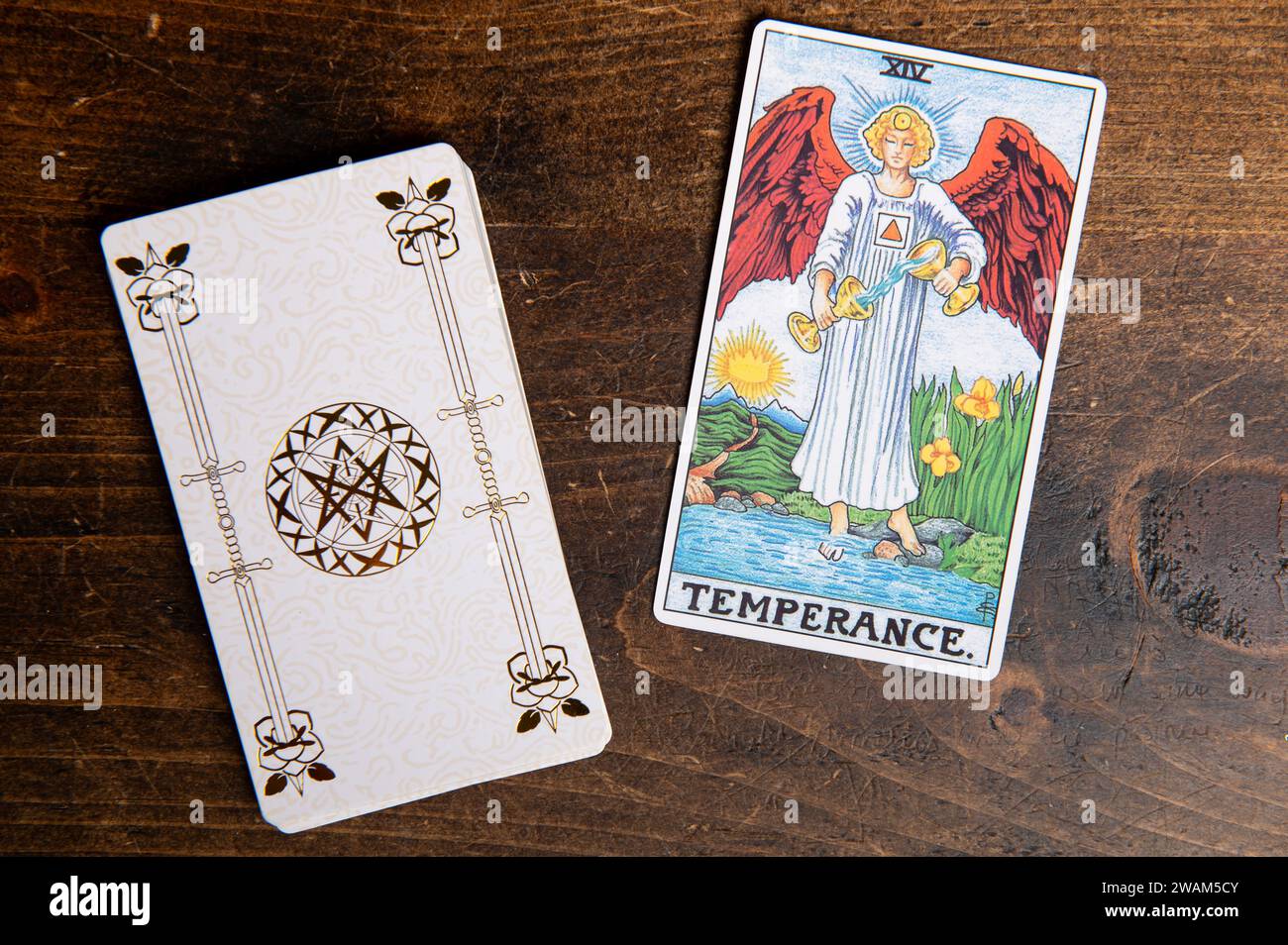
The Rider-Waite deck’s power lies in its symbolism, which speaks to the subconscious in ways words cannot. Each card is a miniature painting, packed with allegories, colors, and gestures that convey emotions, challenges, and archetypes. For instance, the High Priestess sits between two pillars, one black and one white, symbolizing duality and intuition, while the Chariot depicts a triumphant figure riding two sphinxes—one black, one white—representing the balance of opposing forces. Even the seemingly simple Three of Cups radiates joy through its depiction of three women dancing, their cups raised in celebration. Understanding these symbols is like learning a new dialect of the soul, where every image holds a key to deeper self-reflection.
Major Arcana: The Hero’s Journey in 22 Steps
The Major Arcana consists of 22 cards, each representing a pivotal life lesson or spiritual milestone. These cards form a narrative arc, often likened to the hero’s journey, where the Fool (card 0) embarks on a quest, encounters trials, and ultimately achieves enlightenment by the World (card 21). The Fool embodies spontaneity and new beginnings, while the Magician (card 1) wields tools to manifest desires. The Death card (card 13), often misunderstood, signifies transformation rather than literal demise. The Major Arcana acts as a roadmap for personal growth, with each card serving as a chapter in a larger story of awakening and evolution.
Minor Arcana: Life’s Everyday Mysteries
While the Major Arcana deals with grand themes, the Minor Arcana—56 cards divided into four suits (Wands, Cups, Swords, and Pentacles)—explores the nuances of daily life. Each suit corresponds to an element and a facet of human experience: Wands represent passion and creativity, Cups embody emotions and relationships, Swords symbolize intellect and conflict, and Pentacles reflect material wealth and practicality. Unlike older decks, the Rider-Waite’s Minor Arcana cards are illustrated with scenes, making their meanings more intuitive. For example, the Eight of Pentacles shows a craftsman diligently carving a pentacle, illustrating dedication to skill-building, while the Ten of Cups depicts a family celebrating under a rainbow, symbolizing emotional fulfillment. These cards offer guidance on everything from career choices to personal relationships, grounding tarot in the tangible world.
Interpreting the Cards: Intuition Meets Structure
Reading the Rider-Waite deck is a dance between structure and intuition. While guidebooks provide traditional meanings, the true magic lies in personal interpretation. For instance, the Five of Swords might traditionally suggest conflict or defeat, but in a reading about a creative project, it could highlight the need to let go of perfectionism. To deepen your connection with the cards, study their imagery, note recurring symbols, and observe how they resonate with your life. Spreads, like the Celtic Cross or a simple three-card layout, can provide clarity on past, present, and future dynamics. The more you practice, the more the deck becomes an extension of your intuition, offering insights tailored to your unique journey.
The Rider-Waite’s Enduring Appeal: Why It Stands the Test of Time
Over a century after its creation, the Rider-Waite deck remains the most popular tarot deck in the world—and for good reason. Its blend of accessibility and depth makes it ideal for beginners, while its layered symbolism offers endless layers for advanced readers. The deck’s influence extends beyond tarot, inspiring art, literature, and even psychology (Carl Jung referenced tarot archetypes in his work). Its imagery is so ingrained in pop culture that even non-readers recognize cards like the Lovers or the Tower. Whether used for divination, meditation, or creative inspiration, the Rider-Waite deck continues to captivate, proving that some symbols are timeless.
Conclusion
The Rider-Waite tarot deck is more than a collection of cards; it’s a mirror to the human experience. From the sweeping narratives of the Major Arcana to the everyday stories of the Minor Arcana, each card invites you to explore your inner world and the world around you. By learning its language, you unlock a tool for self-discovery, guidance, and connection to something greater than yourself. Whether you’re drawn to its artistry, its history, or its practical wisdom, the Rider-Waite deck offers a path to understanding—one that begins with a single card and unfolds into a lifelong journey.
FAQ
What is the Rider-Waite tarot deck?
The Rider-Waite tarot deck is a popular and foundational tarot deck first published in 1909, known for its fully illustrated 78 cards and rich symbolism.
Why is the Rider-Waite deck important for beginners?
Its accessible imagery and narrative scenes for each card make it easier for beginners to understand tarot meanings and develop intuition.
What are the Major and Minor Arcana in the Rider-Waite deck?
The Major Arcana consists of 22 cards representing significant life lessons, while the Minor Arcana contains 56 cards divided into four suits that address everyday experiences.
How does symbolism in the Rider-Waite deck aid interpretation?
Each card’s symbolism conveys emotions, archetypes, and challenges, helping readers connect deeply through visual language and personal intuition.
Can the Rider-Waite deck be used beyond tarot reading?
Yes, its imagery influences art, literature, psychology, and can be used for meditation and creative inspiration.
Leave a Reply