Short Answer
The Death tarot card, shrouded in myth and symbolism, often elicits a visceral reaction from those who encounter it. But what if this powerful symbol could be transformed into a permanent testament on one’s skin? A Death tarot card tattoo can serve as a multifaceted expression of life’s transient nature, reminding us of perpetual transformation. Are you prepared to delve into what such a tattoo truly signifies?
In the realm of tarot, the Death card does not signify physical demise but rather encapsulates the essence of endings and new beginnings. This depth is reflective in the tattoo symbolism, offering a canvas for those who appreciate the philosophical juxtaposition of life and death. Let us embark on an exploration of the meanings behind the Death tarot card tattoo.
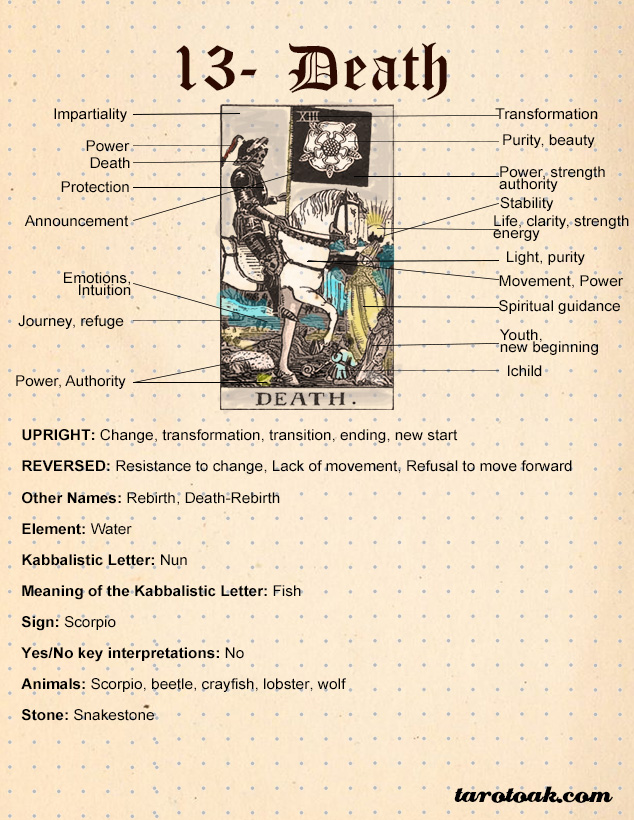
Firstly, it’s crucial to understand the predominant symbolism associated with the Death card in the tarot deck. Typically illustrated with skeletal figures, scythes, and the cycle of life, each element conveys profound significance. When inked onto your skin, these symbols can possess a power that transcends traditional representation. For many, this tattoo serves as a reminder of the impermanence of life, hence encouraging them to cherish each moment with vigor and passion.
One of the primary meanings of the Death tattoo is transformation. Much like the caterpillar must undergo a metamorphosis to become a butterfly, the Death card signifies the shedding of old layers to make way for renewal. The tattoo, therefore, can symbolize personal growth and the courage to embrace change. Such a tattoo may resonate particularly with individuals who have undergone significant life shifts, marking a milestone or a rebirth of sorts. So, do you view your past experiences as anchors or wings?
Furthermore, the Death tarot tattoo can embody liberation from past traumas or negative experiences. It serves as a statement of having emerged stronger, having sloughed off what no longer serves to align with one’s true self. This aspect of liberation creates a poignant narrative, where wearers can reclaim their story. It is an almost haunting invitation to embrace suffering as a natural catalyst for personal evolution. How does one transform pain into empowerment?
Elegance in symbolism is another captivating element of the Death card tattoo. It is not merely about the imagery; it’s about the artistry involved in its depiction. Skulls, roses, and ravens can all be interwoven with the Death card’s skeletal representation, enriching the narrative it carries. The rose, for instance, symbolizes the beauty of life and love amid the starkness of death. This harmonious contrast creates an aesthetically pleasing yet thought-provoking piece of body art. Are you leaning towards an artistic expression or a straightforward representation of transformation?
Moreover, the intricacies of the Death card tattoo can serve as a conversation starter. Those who admire such art often have insightful discussions around its themes of catharsis and renewal. When strangers approach, it offers an opportunity to share wisdom about resilience, growth, and the beauty found in endings. Each tattoo conveys an individual’s journey, making it a unique narrative worthy of exploration. Could your tattoo foster connections that transcend superficial interactions?
Additionally, the choice of placement for a Death tarot tattoo can hold its significance. Popular placements include the forearm, chest, or back, each bringing a different connotation. A visible tattoo may suggest a desire to openly discuss mortality and transformation, inviting questions and reflections from others. Conversely, a hidden tattoo may symbolize a personal journey that is deeply spiritual and intimate. Where would you choose to wear your story?
As with any tattoo, personal intent plays a pivotal role in its meaning. For some, a Death tarot tattoo is a rebellious critique of societal taboos surrounding death. It is an audacious embrace of a life well-lived, an acknowledgment that life’s fragility should prompt one to live fully. Will your tattoo echo this sentiment of carpe diem, or will it be a more introspective exploration of loss and renewal?
However, considering a Death tarot tattoo raises intriguing challenges. The imagery associated with death can provoke discomfort among onlookers. This might lead to misinterpretations of the wearer’s intentions. It becomes essential to communicate the underlying philosophies and personal significance behind the ink. Are you ready to confront preconceived notions about this symbol and use it to initiate deeper discussions on life, death, and everything in between?
The permanence of a tattoo adds another layer of contemplation. The decision to tattoo the Death card on one’s body should be backed by genuine connection and understanding of its implications. It’s advisable to meditate deeply on what this symbol means in your life before committing it to your skin. Have you contemplated how you may feel about the tattoo years down the line, after further transformations in your journey?
In summary, the Death tarot card tattoo embodies a powerful testament to transformation, renewal, and liberation. It encourages introspection and invites conversations about mortality and the beauty of life’s cyclical nature. The decision to wear such a profound symbol is not to be taken lightly. As you ponder this choice, consider not only the visual impact but the deeper resonance it will hold for you and those around you. How will your personal interpretation of the Death card inform your journey, both in ink and in emotion?
FAQ
What does the Death tarot card tattoo symbolize?
The Death tarot card tattoo symbolizes transformation, renewal, and liberation, representing the cyclical nature of life and the importance of embracing change.
Why is the Death card often misunderstood?
The Death card is frequently misunderstood as a symbol of physical death, when in reality it represents endings and new beginnings.
What are common designs for Death tarot tattoos?
Common designs include skeletal figures, scythes, roses, and ravens, each carrying deep symbolism related to life and death.
Leave a Reply