Short Answer
In this guide, you’ll explore the intriguing world of D.N. Angel and the deeper meaning behind the Death card in tarot. Whether you’re a fan of the anime or a tarot enthusiast, this article will uncover how these two themes intertwine, promising a shift in perspective and sparking curiosity about transformation, rebirth, and the mysteries of life. By the end, you’ll gain insights into symbolism, narrative depth, and the profound messages hidden within both the series and the tarot card.
The Death Card in Tarot: A Symbol of Transformation
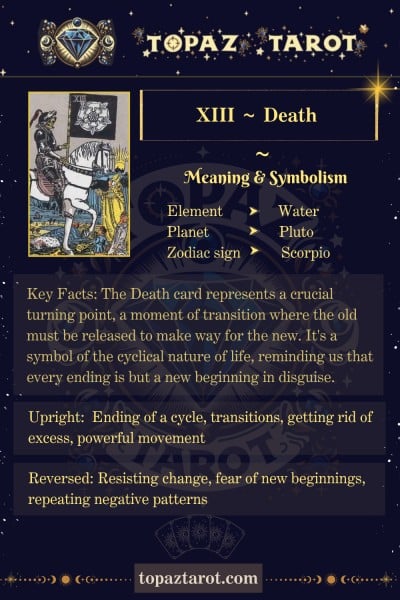
The Death card, often one of the most misunderstood cards in the Major Arcana, represents far more than its literal name suggests. In tarot, it symbolizes endings, change, and rebirth rather than physical death. This card is a powerful reminder that transformation is an inevitable part of life, urging you to release what no longer serves you to make space for growth.

Visually, the Death card typically depicts a skeletal figure on horseback, often holding a black flag adorned with a white rose—a stark contrast that highlights the balance between destruction and renewal. The imagery may seem ominous, but its true message is one of hope and evolution. When this card appears in a reading, it signals that a significant shift is on the horizon, whether in relationships, career, or personal beliefs.
For those familiar with tarot, the Death card encourages embracing change rather than resisting it. It’s a call to let go of old habits, toxic dynamics, or stagnant situations to welcome new opportunities. The card’s energy is not about loss but about transformation and the promise of a brighter future.
D.N. Angel: A Story of Identity and Change
D.N. Angel is a Japanese anime and manga series that masterfully weaves themes of identity, duality, and transformation into its narrative. The story follows Daisuke Niwa, a teenage boy who possesses the ability to transform into a notorious thief known as “Dark” whenever he experiences strong emotions, particularly jealousy. This duality serves as a metaphor for the internal struggles of adolescence—balancing societal expectations with personal desires.
The series explores how change can be both a burden and a liberation. Daisuke’s transformation into Dark isn’t just a physical shift but a psychological one, reflecting the chaos of growing up. His journey mirrors the tarot’s Death card, where endings lead to new beginnings. Just as the Death card signifies the death of the old self to make way for the new, Daisuke’s alter ego represents the shedding of inhibitions and the embrace of hidden aspects of his personality.
One of the most compelling aspects of D.N. Angel is its use of symbolism to convey deeper themes. The contrast between Daisuke’s ordinary life and Dark’s rebellious persona highlights the duality within all of us—the struggle between conformity and self-expression. This narrative parallel to the Death card underscores the idea that transformation, though often feared, is essential for personal evolution.

How the Death Card Mirrors D.N. Angel’s Themes
The connection between the Death card and D.N. Angel lies in their shared exploration of transformation and the fear of change. Both the tarot card and the series challenge the notion that endings are purely negative, instead framing them as necessary precursors to growth. In D.N. Angel, Daisuke’s transformation into Dark is initially a source of shame and confusion, much like how people often resist the messages of the Death card. However, as the story progresses, it becomes clear that these changes are opportunities for self-discovery and empowerment.
The Death card’s imagery of a skeletal figure on horseback can be likened to Dark’s mysterious and elusive nature. Just as the card represents the inevitability of change, Dark embodies the unpredictable shifts in Daisuke’s life. The series and the tarot card both suggest that embracing transformation, no matter how daunting, leads to a more authentic existence.
Moreover, the Death card’s association with the number 13—often considered unlucky—parallels the stigma surrounding Daisuke’s dual identity. Society may view both the card and the character as ominous, but their true essence is one of renewal. The Death card’s message is clear: what seems like an ending is merely a transition into something greater.
Practical Insights: Applying the Death Card’s Wisdom
Understanding the Death card’s message can provide valuable insights into navigating life’s challenges, much like the lessons embedded in D.N. Angel. Here are some practical ways to apply its wisdom:
- Let Go of What No Longer Serves You: Whether it’s a toxic relationship, a dead-end job, or an outdated belief system, the Death card encourages you to release these burdens to make space for growth.
- Embrace Change as an Opportunity: Change is often met with resistance, but the Death card reminds you that it’s a natural part of life. View it as a chance to evolve rather than a threat.
- Explore Hidden Aspects of Yourself: Like Daisuke discovering his alter ego, the Death card invites you to explore parts of yourself you may have ignored or suppressed. This self-discovery can lead to profound personal growth.
- Trust the Process: Both the tarot card and the series emphasize that transformation isn’t linear. Trust that endings are necessary for new beginnings, even if the path isn’t immediately clear.
By integrating these insights, you can approach life’s transitions with a sense of curiosity and resilience, much like the characters in D.N. Angel and the symbolic messages of the Death card.

Conclusion
The interplay between the Death card in tarot and the themes of D.N. Angel offers a compelling narrative about transformation, identity, and the beauty of change. Both the card and the series challenge us to look beyond surface-level interpretations and embrace the deeper meanings of endings and rebirth. Whether you’re drawn to the symbolic power of tarot or the emotional depth of anime, these themes resonate with anyone seeking to understand the cyclical nature of life.
The Death card teaches us that what appears to be an ending is often the precursor to a new beginning, while D.N. Angel illustrates how embracing our dualities can lead to self-discovery and empowerment. Together, they remind us that transformation isn’t something to fear but an essential part of our journey. By shifting our perspective and welcoming change, we open ourselves to a world of possibilities—just as Daisuke learns to accept his identity as Dark, and just as the Death card promises renewal in the face of loss.
Ultimately, the lessons of the Death card and the story of D.N. Angel converge on a single truth: growth requires letting go, and endings are merely the start of something new.
FAQ
What does the Death card symbolize in tarot?
The Death card symbolizes transformation, endings, and new beginnings, urging individuals to embrace change.
How does D.N. Angel relate to themes of transformation?
D.N. Angel explores identity and transformation through the character of Daisuke, who shifts into his alter ego, Dark, highlighting the struggles of adolescence.
Leave a Reply