Short Answer
In this comprehensive guide, you’ll explore the reversed meaning of the Death tarot card, focusing on themes of delays, resistance, and fear. Whether you’re new to tarot or seeking deeper insights, this article breaks down the key aspects of Death reversed, helping you understand its implications in readings, personal growth, and decision-making. You’ll learn about common interpretations, emotional impacts, and practical ways to navigate challenges represented by this card. By the end, you’ll have a clearer perspective on how to address stagnation and embrace transformation, even when it feels daunting.
The Reversed Death Card: An Overview
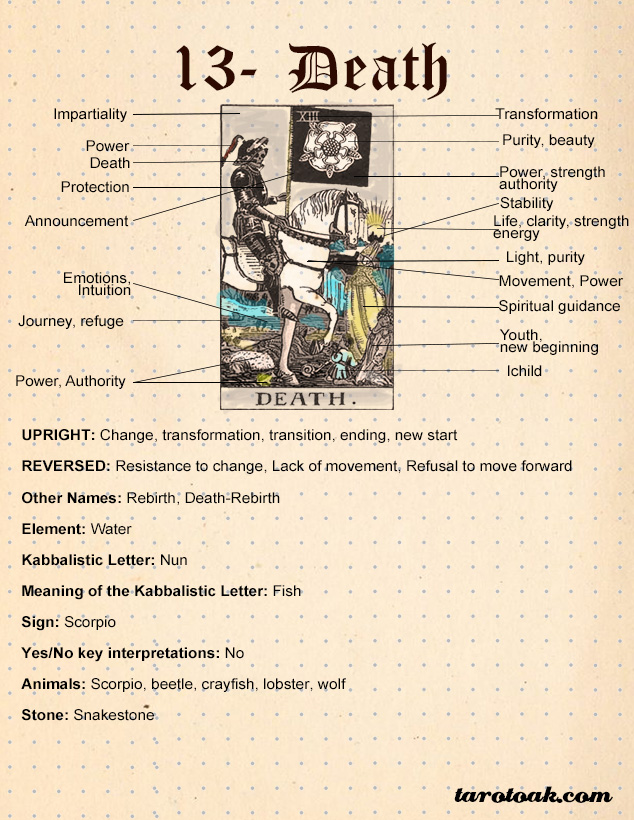
The Death tarot card, when upright, symbolizes transformation, endings, and rebirth. However, when reversed, its energy shifts, often indicating resistance to change, delays, or fear of the unknown. Unlike its upright counterpart, which encourages embracing transitions, the reversed Death card highlights struggles with letting go or moving forward. This card may suggest that you’re clinging to the past, avoiding necessary changes, or feeling stuck in a situation that no longer serves you. The reversed Death card doesn’t necessarily predict doom; instead, it signals a need to confront fears and take gradual steps toward growth.

Common Interpretations of Death Reversed
The reversed Death card can manifest in various ways depending on the context of your reading. Here are some of the most common interpretations:
- Fear of Change: You may be resisting necessary transformations in your life, whether in relationships, career, or personal habits. This fear can stem from uncertainty about the future or a lack of confidence in your ability to adapt.
- Delays and Stagnation: Projects, goals, or personal growth may feel stalled. The reversed Death card suggests that external or internal obstacles are preventing progress, urging you to identify and address these barriers.
- Unfinished Business: There might be unresolved issues or emotions that need closure. Ignoring these can lead to emotional baggage, making it harder to move forward.
- Self-Sabotage: You could be undermining your own efforts, either consciously or unconsciously. This might involve procrastination, negative self-talk, or avoiding difficult conversations.
Understanding these interpretations can help you recognize patterns in your life that align with the reversed Death card’s energy. By acknowledging these challenges, you can begin to take proactive steps toward resolution.
Emotional and Psychological Impact
The reversed Death card often carries a heavy emotional weight, reflecting inner turmoil or anxiety about change. You might feel overwhelmed by the idea of letting go of familiar but unfulfilling circumstances. This emotional resistance can manifest as:
- Anxiety: Worrying about the unknown or fearing that change will lead to loss or failure.
- Frustration: Feeling stuck in a situation that no longer aligns with your values or goals.
- Denial: Refusing to acknowledge that a change is necessary, even when evidence suggests otherwise.
Psychologically, the reversed Death card may point to a reluctance to face difficult truths about yourself or your life. It can also indicate a need for self-reflection, as avoiding these truths only prolongs the discomfort. Addressing these emotions requires patience and self-compassion, as healing from stagnation is a gradual process.

Practical Steps to Overcome Resistance and Fear
While the reversed Death card can feel discouraging, it also offers an opportunity to reclaim control over your life. Here are practical steps to help you navigate its challenges:
- Identify the Source of Fear: Ask yourself what specifically is holding you back. Is it fear of failure, loss of identity, or uncertainty about the future? Naming these fears can make them feel more manageable.
- Break Down Goals: Instead of focusing on the overwhelming nature of change, break it into smaller, actionable steps. This can make the process feel less daunting.
- Seek Support: Talk to trusted friends, mentors, or a therapist about your struggles. Sometimes, an outside perspective can provide clarity and encouragement.
- Practice Self-Compassion: Be kind to yourself during this transition. Recognize that growth isn’t linear, and setbacks are a natural part of the process.
- Embrace Small Changes: Start with minor adjustments to build confidence. Even small steps can create momentum toward larger transformations.
Death Reversed in Different Areas of Life
The reversed Death card can appear in readings related to various aspects of life, each with its own nuances. Here’s how it might manifest in different contexts:
Career and Finances
In career readings, the reversed Death card may indicate a fear of taking risks or avoiding necessary career changes. You might feel unfulfilled in your current role but hesitate to pursue new opportunities due to fear of failure or financial instability. This card encourages you to assess your long-term goals and consider whether your current path aligns with them. If you’re stuck in a job that drains you, the reversed Death card is a sign to explore alternatives, even if they feel uncertain.
Relationships
In relationships, the reversed Death card can signal resistance to letting go of toxic dynamics or avoiding necessary conversations. You might be holding onto a relationship out of fear of being alone or because you’re avoiding the pain of separation. This card urges you to confront these fears and prioritize your well-being. It may also suggest that a relationship is stagnant and needs renewal, whether through open communication or setting boundaries.
Personal Growth
On a personal level, the reversed Death card highlights areas where you’re avoiding self-improvement. This could involve unhealthy habits, negative thought patterns, or refusing to address past traumas. The card serves as a reminder that growth requires courage and a willingness to face discomfort. Consider journaling, therapy, or mindfulness practices to help you navigate these challenges.
Myths and Misconceptions About Death Reversed
There are several misconceptions about the reversed Death card that can lead to unnecessary fear or confusion. Let’s debunk a few common myths:
- Myth: Death Reversed Always Predicts Bad Luck: While the card often signals challenges, it’s not inherently negative. It’s an invitation to reflect and make conscious choices rather than a prediction of doom.
- Myth: You Must Make Drastic Changes Immediately: The reversed Death card doesn’t always require radical action. Small, intentional steps can be just as transformative over time.
- Myth: It’s a Sign of Failure: The card isn’t about failure; it’s about resistance. Recognizing this resistance is the first step toward overcoming it.
Conclusion
The reversed Death card is a powerful reminder that transformation isn’t always easy or immediate. It highlights the fears, delays, and resistance that can arise when facing change, but it also offers a path forward. By acknowledging these challenges and taking intentional steps, you can break free from stagnation and embrace growth. Remember, the reversed Death card isn’t a curse—it’s an opportunity to reassess, realign, and reclaim your power. Whether you’re navigating a career shift, healing a relationship, or working on personal development, this card encourages patience, self-compassion, and courage. Trust that every ending is a chance for a new beginning.
FAQ
What does the reversed Death card signify in a tarot reading?
It signifies challenges related to change, indicating that one may be resisting necessary transformations in life.
How can one interpret the emotional impact of the reversed Death card?
It can reflect inner turmoil, anxiety, and a reluctance to face difficult truths about oneself.
Leave a Reply