Short Answer
Embarking on your tarot journey can feel overwhelming, but this guide will equip you with the tools to read tarot answers clearly—even as a beginner. You’ll discover how to interpret cards intuitively, recognize patterns, and trust your inner guidance. By the end, you’ll approach readings with confidence, uncovering deeper insights and fresh perspectives with every draw.
Understanding Tarot Basics: The Foundation of Clear Answers
Before diving into interpretations, familiarize yourself with the structure of a tarot deck. A standard deck has 78 cards divided into two main groups: the Major Arcana (22 cards representing life’s big themes) and the Minor Arcana (56 cards reflecting everyday situations). Each suit in the Minor Arcana—Cups, Pentacles, Swords, and Wands—corresponds to emotional, material, intellectual, and creative energies, respectively.
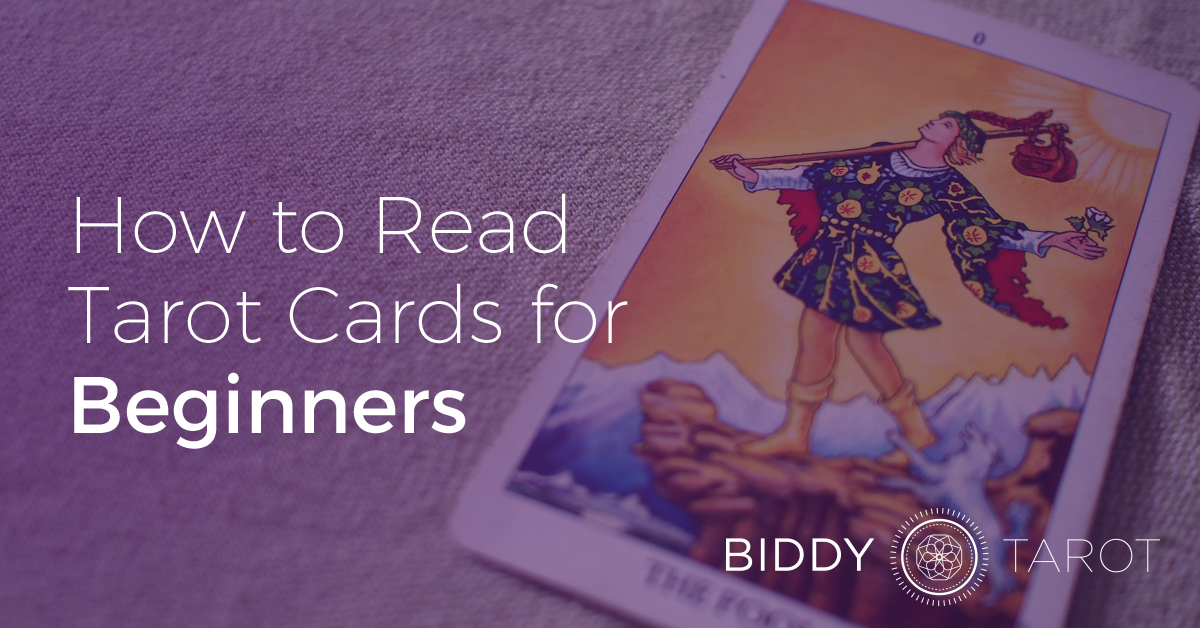
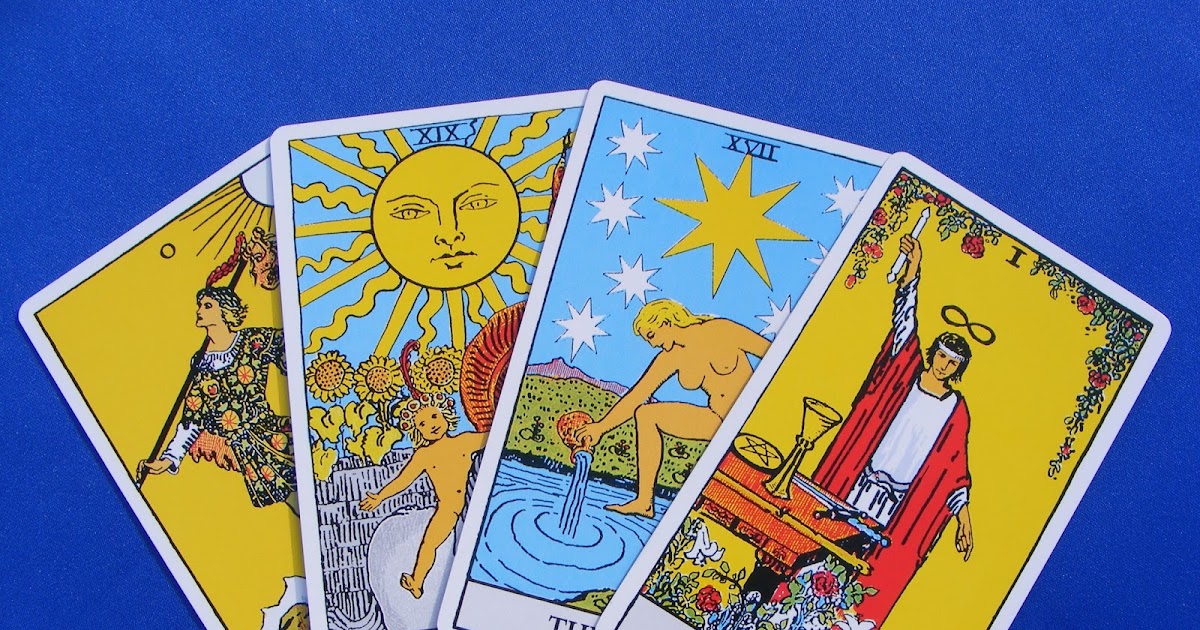
Start by studying the Major Arcana first, as these cards often carry the most profound messages. For example, The Fool symbolizes new beginnings, while The Tower represents sudden change. Recognizing these archetypes will help you decode the broader themes in a reading. Pair this with the Minor Arcana’s suit meanings to add nuance to your interpretations. Over time, this foundation will make your answers clearer and more insightful.
Interpreting Card Positions: Unlocking Contextual Clues
The position of a card in a spread (layout) adds crucial context to its meaning. While a single card can offer a snapshot, spreads like the Three-Card Spread (Past, Present, Future) or the Celtic Cross provide deeper layers. For instance, a card in the “Past” position might explain current circumstances, while one in the “Future” position could hint at potential outcomes.
Pay attention to the card’s orientation—upright or reversed. Upright cards typically signify energy flowing freely, while reversed cards may indicate blockages, delays, or internal reflections. However, avoid rigid rules; reversed cards can also amplify the card’s core message. Experiment with different spreads to see which resonates with your intuition. The more you practice, the more natural it becomes to weave these positions into a cohesive narrative.
Trusting Your Intuition: The Key to Personalized Answers
Tarot is a tool for intuition, not just memorization. While guidebooks provide starting points, your first impression of a card is often the most accurate. Notice the imagery, symbols, and emotions that arise when you see a card. For example, The High Priestess might evoke feelings of mystery or hidden knowledge, while The Emperor could feel authoritative or structured. These reactions are clues to the card’s personal significance for you or the querent (the person receiving the reading).
To strengthen your intuition, try freeform journaling after a reading. Write down the cards drawn, their traditional meanings, and your immediate thoughts. Over time, you’ll notice recurring themes or symbols that hold special meaning for you. Another technique is to meditate on a card before sleeping, asking for clarity on its message. The more you engage with your intuition, the more clearly the cards will speak to you.
Recognizing Patterns and Themes: Connecting the Dots
Clear tarot answers often emerge when you identify patterns across multiple cards. For example, a reading heavy in Swords might suggest a focus on communication or conflict, while several Pentacles cards could indicate financial or practical matters. Look for repeating numbers, suits, or even colors in the imagery. A cluster of cards from the same suit or number can highlight a dominant energy in the querent’s life.
Another powerful tool is tracking recurring cards in your readings. If The Chariot appears frequently, it may signal a need for determination or a journey ahead. Similarly, The Star often indicates hope or inspiration. Keep a record of your readings to spot these patterns over time. This practice not only sharpens your interpretive skills but also builds a personal lexicon of tarot symbols that resonate uniquely with you.
Asking Effective Questions: Setting the Stage for Clear Answers
The clarity of your tarot answers depends heavily on the questions you ask. Vague or closed-ended questions like “Will I get a job?” yield limited insights, while open-ended questions invite deeper exploration. Instead, try: “What do I need to know about my career path right now?” or “How can I improve my relationship with [person]?” These questions encourage the cards to reveal underlying dynamics and potential paths forward.
Avoid questions that rely on yes/no answers or external outcomes. Focus on the querent’s role in the situation. For example, “What energy should I bring to this situation?” shifts the focus to personal growth rather than predicting a fixed outcome. The more specific and introspective your questions, the more actionable and enlightening the answers will be.
Overcoming Common Beginner Pitfalls: Clarity Through Practice
As a beginner, it’s easy to fall into traps like over-reliance on guidebooks, second-guessing your intuition, or feeling discouraged by “negative” cards. Remember that every card, including The Tower or Ten of Swords, offers a lesson or opportunity for growth. Instead of fearing these cards, ask: “What is this card trying to teach me?” This reframing turns fear into curiosity and resistance into insight.
Another challenge is the pressure to provide “perfect” answers. Tarot is a conversation between you, the cards, and the querent—not a test of accuracy. Embrace the unknown and trust that the cards will reveal what’s most relevant in the moment. If a reading feels unclear, take a break and revisit it later with fresh eyes. Clarity often comes with time and reflection.
Conclusion
Reading tarot answers clearly as a beginner is about blending structure with intuition, patterns with personal insight, and questions with curiosity. Start with the basics, trust your inner guidance, and practice regularly to refine your skills. Remember, tarot is a mirror—it reflects not just the external world but the depths of your own mind and spirit. With each reading, you’ll uncover new layers of understanding, shifting perspectives and sparking curiosity along the way. Let the cards be your guide, and enjoy the journey of discovery they offer.
FAQ
What is the best way to start reading tarot as a beginner?
Begin by understanding the structure of the tarot deck and practice interpreting the Major and Minor Arcana.
How can I improve my tarot reading skills?
Practice regularly, trust your intuition, and keep a journal of your readings to identify patterns.
Leave a Reply